
Blooming
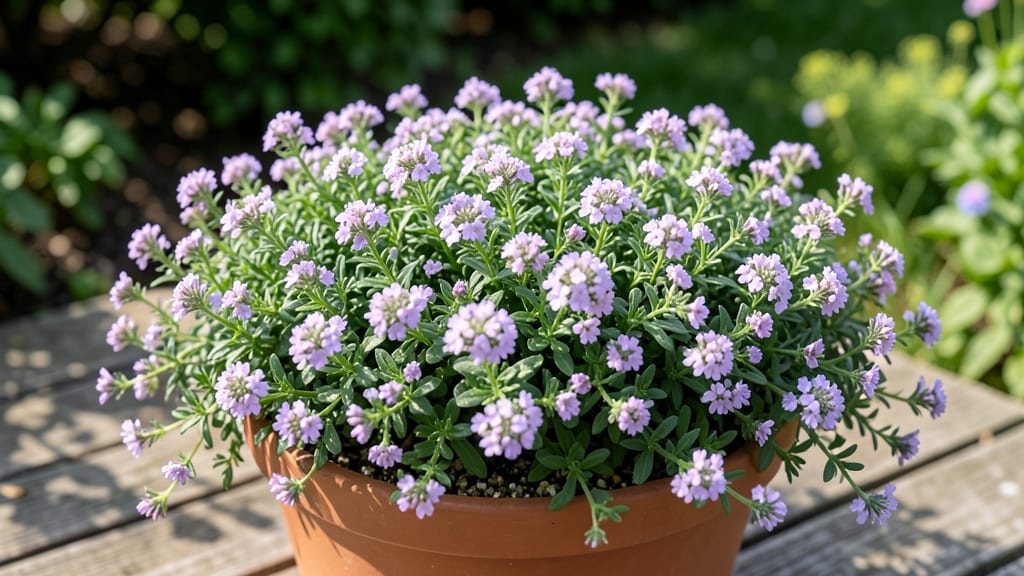
Alyssum blooms all summer only when given the right care: cool-season types like Sweet Alyssum fade in peak heat, while heat-resistant varieties such as Tumbling Alyssum may continue flowering with consistent moisture and afternoon shade. Regular deadheading and excellent drainage help prolong the blooming period.
Alyssum's summer performance depends heavily on variety selection and environmental adjustments. 🌿 Many gardeners mistakenly assume all alyssum behaves the same, but Sweet Alyssum (the most common type) actually prefers milder temperatures and often goes dormant during extreme heat.
In contrast, Tumbling Alyssum has adapted to warmer climates and can handle summer blooming better—though it still needs protection from direct afternoon sun. The key to extending blooms lies in mimicking their natural growing conditions: well-draining soil, regular watering without soggy roots, and occasional pruning to encourage new growth.
What often catches new gardeners off guard is how quickly alyssum responds to stress. Even a single hot afternoon without shade can cause buds to drop prematurely.
I've found that mulching with straw helps retain moisture while keeping roots cool, and using shade cloth (30-50%) during peak heat hours can make a dramatic difference in plant vitality.
The right care turns what might seem like a summer struggle into a continuous display of those signature tiny white or purple flowers.
💡 In This Article
- Alyssum Varieties and Their Summer Heat Tolerance
- Extending Alyssum Blooms Through Summer Care
Alyssum varieties and their summer heat tolerance
Sweet Alyssum (Lobularia maritima) thrives in cool temperatures, typically blooming best when daytime highs stay below 75°F. Its natural habitat along coastal regions means it's adapted to mild, maritime climates where summer heat is rare.
When temperatures climb above 80°F for prolonged periods, the plant often responds by going dormant or bolting—sending up a single flower stalk and ending its compact, bushy growth. This is why gardeners in hotter zones like the Southern US often see their Sweet Alyssum fade by mid-summer.
In contrast, Tumbling Alyssum (Lobularia maritima 'Tumbling') has developed heat tolerance through selective breeding, handling temperatures up to 90°F with better resilience. Its trailing growth habit also helps it stay cooler near the ground.
The key difference lies in their root systems: Tumbling varieties develop deeper roots that access moisture during dry spells, while Sweet Alyssum relies on surface moisture that evaporates quickly in heat. 🌡️ Regional climate matters too—coastal areas with moderate summers can grow Sweet Alyssum year-round, while inland gardens need shade and extra water to keep any variety blooming.
What triggers bolting in heat-sensitive varieties is a combination of stress factors. When roots dry out or soil temperatures exceed 85°F, the plant perceives this as a survival signal to reproduce quickly.
This is why you'll often see Sweet Alyssum produce a single tall flower stalk in summer—it's a last-ditch effort to set seed before dying back.
The plant's natural lifecycle includes this heat-induced bolting as a protective mechanism against harsh conditions, which explains why it's so difficult to keep blooming continuously in peak summer.
For gardeners in transitional climates (like Zone 7-8), the solution often involves choosing varieties bred for summer performance. Look for heat-tolerant cultivars like 'Summer Snow' or 'Queen's Silver' which maintain blooms longer in warm conditions.
These varieties have been selected for their ability to continue flowering even when daytime temperatures reach 85-90°F, though they still require proper care to prevent stress. The trade-off is that these heat-tolerant types may not be as cold-hardy as traditional Sweet Alyssum varieties.
Understanding these variety differences helps explain why some gardeners have summer success while others struggle. The plant's natural biology creates this seasonal limitation—what appears to be poor care is often just the plant following its built-in survival strategies.
The good news is that with the right variety selection and care adjustments, you can extend the blooming season significantly, even in hot climates. 🌿
Consider this biological reality when planning your garden: Sweet Alyssum is essentially a spring/fall plant that gets stressed in summer, while Tumbling types are summer performers that may struggle in winter.
This complementary behavior is why many successful gardeners plant both varieties—using Sweet Alyssum for cooler months and Tumbling types to fill the summer gap. The key is matching the plant's natural preferences with your growing conditions.