
Blooming
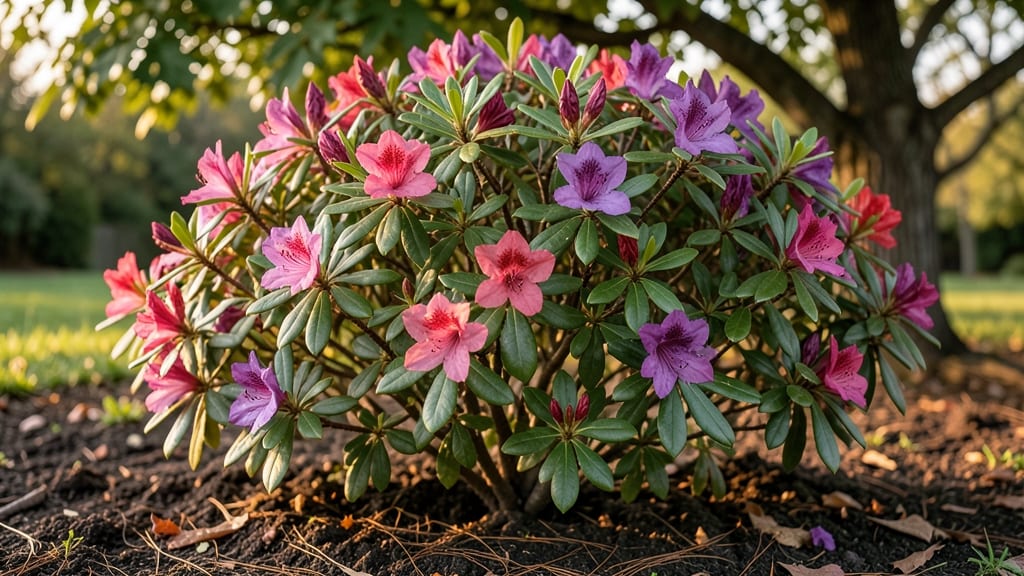
Azaleas do not bloom all summer—most varieties flower in spring for 3-6 weeks, though late-blooming types like 'Encore' or 'Summer Azure' extend blooms into early fall. Proper care and variety selection maximize seasonal color.
Azaleas are famously seasonal plants, with their blooming cycles tied directly to temperature shifts and daylight changes. 🌸 The majority of azaleas follow a spring schedule, triggered by winter chilling requirements that reset their growth hormones.
Even the so-called "summer-blooming" varieties like 'Encore' still need that initial cold period to set their buds properly. What's fascinating is how these plants use their dormancy period to "prepare" for flowering—think of it like a biological countdown clock that only ticks when conditions are just right.
For gardeners hoping to stretch that colorful display, the key lies in choosing the right varieties and maintaining optimal growing conditions. Some azaleas naturally produce a second flush of blooms later in the season if given proper care, while others simply fade after their initial spring show.
The secret often comes down to consistent moisture, balanced fertilization, and strategic pruning—all of which encourage the plant to redirect its energy toward producing new flowers rather than just foliage.
💡 In This Article
- Azalea Bloom Seasons by Variety Type
- Extending Azalea Blooms Naturally for Longer Color
Azalea bloom seasons by variety type
Azalea blooming cycles are governed by a biological process called vernalization, where plants require a specific period of cold temperatures (typically 40-50°F for 8-12 weeks) to trigger flower bud formation. This chilling period resets the plant's internal clock, signaling it's time to bloom.
Without adequate cold exposure, azaleas may produce sparse or no flowers at all. 🌸 The timing of this process varies by species—Rhododendron species (like most azaleas) typically bloom in early to mid-spring, while some hybrids like 'Girard's Pink' peak in late spring.
Most traditional azaleas follow this spring-only pattern, with blooms lasting 3-6 weeks depending on variety and weather. For example, 'Hino Crimson' bursts into color in April, while 'George L. Taber' waits until May.
The exceptions are late-season varieties like 'Encore' (which blooms in June-July) and 'Summer Azure' (peaking in July-August). These summer-bloomers still need their winter chilling period but produce a second flush of flowers when days grow longer and temperatures stabilize in 70-80°F ranges.
What's often misunderstood is that even summer-blooming azaleas don't flower continuously—they simply have a delayed bloom cycle. The 'Encore' series, for instance, may produce its first flush in spring and a second, smaller one in summer, but never maintains constant blooms.
This two-phase pattern is hardwired into their genetics, making year-round color nearly impossible without careful variety selection and horticultural tricks. 🌿
Climate plays a crucial role in bloom timing. In USDA Zones 6-8, where winters are cold enough for proper chilling, azaleas typically bloom earlier than in Zones 9-10, where milder winters can delay or reduce flowering.
Some tropical azalea hybrids (like 'George L. Taber') may bloom twice yearly in warm climates, but this is the exception rather than the rule. The key takeaway is that all azaleas—even summer varieties—need that initial cold period to set their biological clocks for flowering.
For gardeners seeking extended color, the solution lies in planting a mix of early, mid, and late-season varieties. For example:
- Early bloomers: 'Hino Crimson' (April) and 'George L. Taber' (late April-early May)
- Mid-season: 'Girard's Pink' (May)
- Late-season/summer: 'Encore' (June-July) and 'Summer Azure' (July-August)
The science behind this timing is fascinating: azalea buds form during the previous year's growing season, but remain dormant until temperature and daylight cues trigger their opening. This means that even summer-blooming varieties are working within the same biological framework—they're just optimized to respond to different temperature thresholds.
Understanding this helps explain why azaleas in cooler climates often bloom earlier than those in warmer regions, where the chilling requirement might be met later in winter.