
Blooming
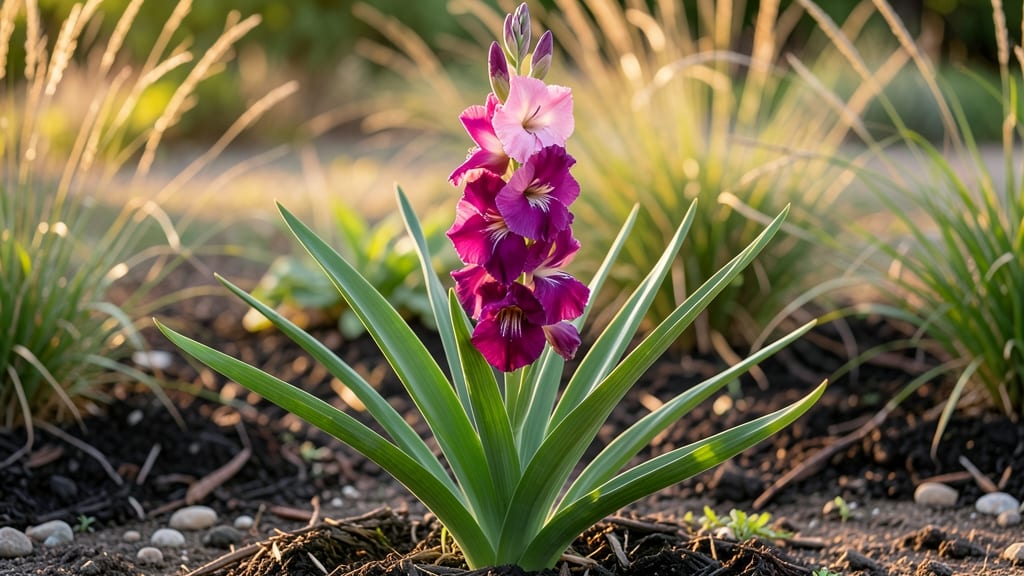
Gladiolus don't bloom all summer continuously, but reblooming varieties can produce multiple flower spikes throughout the season with proper deadheading and consistent care. Their blooming periods typically span late spring to early fall, with each cycle lasting about 6-8 weeks.
Gladiolus have a fascinating blooming pattern that depends on both their genetics and how you care for them.
Unlike annual flowers that bloom nonstop, these beauties operate on seasonal energy cycles stored in their corms. 🌸 The reblooming varieties—like 'Green Star' or 'Picasso'—can produce 2-3 flower spikes per season if you remove spent blooms promptly, while single-bloom types focus all their energy on one dramatic show.
What's interesting is how light exposure triggers these cycles: too much shade delays blooming, while consistent sunlight helps maintain their energy reserves for multiple cycles.
To maximize reblooming potential, I've found that deadheading isn't just about looks—it's about redirecting the plant's energy. Cutting back flower stalks to just above the first leaf node after blooming encourages the corm to store more nutrients for future growth.
Combine this with regular watering (about 1 inch per week) and a balanced fertilizer every 4-6 weeks, and you'll see those second and third blooms appear reliably. The key is consistency: gladiolus reward attentive gardeners with longer display seasons.
💡 In This Article
- How Gladiolus Reblooming Works: Varieties and Biology
- Deadheading and Care Tips to Extend Gladiolus Blooms
How gladiolus reblooming works: varieties and biology
The reblooming capability of gladiolus stems from their unique corm-based growth system. Unlike annuals that rely solely on current season growth, gladiolus store energy in their underground corms—thick, fleshy stems that act like natural batteries.
When a flower spike blooms, the plant draws from these reserves, but if you remove spent blooms (deadheading), the corm can redirect energy toward producing new flower stalks.
This process typically occurs in reblooming varieties like 'Green Star' or 'Picasso', which can generate 2-3 flower spikes per season under ideal conditions.
Light exposure plays a critical role in triggering these cycles. Gladiolus need 6-8 hours of direct sunlight daily to maintain strong corm reserves. Insufficient light causes the plant to prioritize leaf growth over flowering, delaying or preventing reblooming.
The science behind this involves photoperiodism—the plant's response to daylight length—which signals when to allocate energy toward new blooms. Varieties like 'White Friendship' often bloom earlier in the season because they're more responsive to increasing daylight hours, while others may need consistent warmth (70-80°F) to trigger multiple cycles.
Single-bloom varieties, such as 'Black Star' or 'Pink Parfait', focus all their energy on one dramatic display because their genetics prioritize one large flower spike over multiple smaller ones. These types store less reserve energy in their corms, making them less likely to rebloom without significant care.
The difference comes down to genetic programming: rebloomers have been selectively bred to maintain higher energy reserves and more flexible growth patterns, allowing them to produce sequential blooms when conditions are right.
Corms themselves are the key to understanding reblooming potential. A mature corm can weigh 2-4 ounces and contains enough stored starch to fuel multiple growth cycles. When you deadhead a spent bloom, you're essentially telling the corm, "Save your energy—more flowers are coming!"
This is why gardeners often see second blooms appearing 6-8 weeks after the first, as the corm rebuilds its reserves. Without deadheading, the plant would expend all its energy on seed production, leaving little for future growth.
Consider this comparison: A reblooming gladiolus in full sun with proper care can produce 12-18 individual flowers per season, while a single-bloom type might only yield 6-10 flowers total.
The difference isn't just quantity but also timing—rebloomers stretch their display over 8-12 weeks, while single-bloomers concentrate their show in just 2-3 weeks. This biological efficiency makes reblooming varieties a gardener's secret weapon for extended summer color.
What most gardeners don't realize is how temperature fluctuations affect reblooming. While gladiolus thrive in warm weather, sudden drops below 50°F can shock the corms and halt growth. This is why late-summer blooms often appear in USDA Zones 8-10, where warm nights and mild winters create ideal conditions.
In cooler climates, gardeners must dig up corms after the first frost and store them in dry, cool conditions (40-50°F) to preserve their energy for next season's reblooming potential.