
Blooming
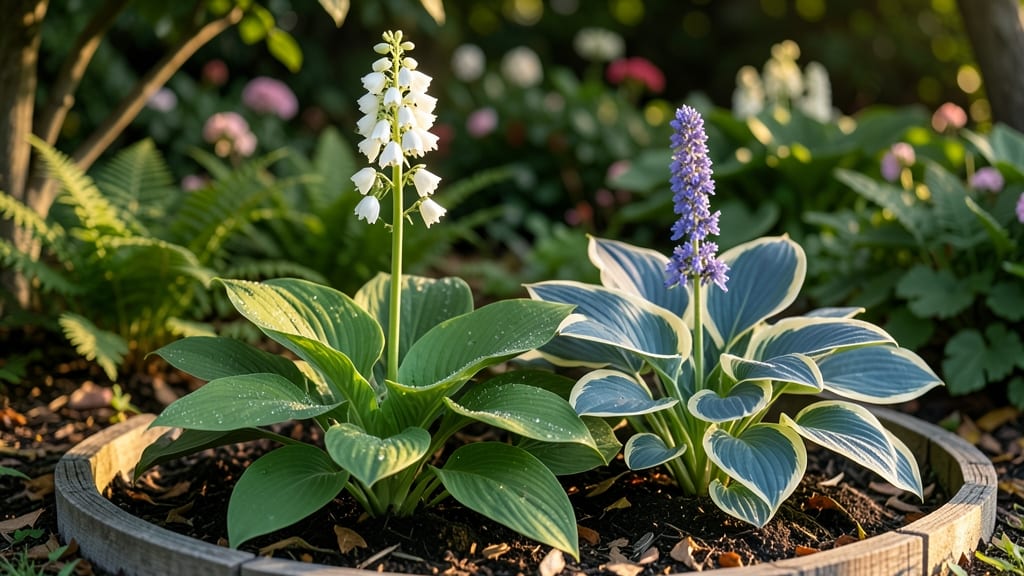
Hostas do bloom flowers, though many gardeners focus on their striking foliage instead. Most varieties produce delicate lavender, white, or purple blooms in midsummer, but some skip flowers entirely due to genetics or poor growing conditions. Proper care can encourage vibrant blooms when desired.
Hostas are often prized for their lush, colorful leaves, but their summer blooms add a charming touch to shady gardens. 🌸 The flowers—typically lavender, white, or purple—grow on tall stalks and attract pollinators, though they're short-lived compared to the plant's foliage.
Some varieties, like 'Patriot' or 'June' hostas, are bred to prioritize foliage over flowers, while others may skip blooming entirely if stressed or too young. Understanding your specific variety and its care needs can help you decide whether to encourage flowers or focus on leaf growth.
For those wanting to see more blooms, timing and nutrition matter most. Hostas need partial shade and well-draining soil, but too much shade or poor fertility can delay or prevent flowering.
I've found that dividing mature clumps every 3-5 years and applying a balanced fertilizer in early spring often boosts bloom production. The key is patience—some hostas take 3-5 years to mature enough to flower reliably.
💡 In This Article
- Why Some Hostas Skip Flowering: Genetics and Growth Factors
- How to Encourage Hostas to Bloom: Step-by-Step Gardening Tips
Why some hostas skip flowering: genetics and growth factors
Hostas are fascinating plants because their flowering habits are deeply tied to their genetics and life stage. Many gardeners notice that their young hostas (under 3 years old) rarely produce flowers—they're still focusing energy on leaf and root growth.
This is nature's way of ensuring the plant establishes a strong foundation first. For example, the 'Blue Angel' variety often skips blooming in its first two years, only producing lavender flowers on 18-24 inch stalks once it reaches maturity at age 3-4.
The light spectrum plays a crucial role too.
Hostas need 4-6 hours of morning sun to trigger flowering, but too much direct afternoon sun (especially in hot climates) can stress them. 'Halcyon' hostas, known for their golden foliage, often bloom prolifically when given dappled shade with 50% sunlight exposure, while varieties like 'Guacamole' may produce fewer flowers if shaded too heavily.
The plant's internal clock responds to daylight length—shorter summer days can delay blooming in some varieties.
Soil conditions create another major barrier. Hostas prefer moist, well-draining soil with a pH of 6.5-7.5, but compacted or nutrient-poor soil forces the plant to divert energy to survival rather than reproduction. I've seen non-flowering hostas in heavy clay soils where roots couldn't access oxygen properly.
The solution? Amending with organic matter like compost can restore the balance and encourage blooming within 1-2 growing seasons.
Stress factors like overcrowding or improper watering also play a role. When hostas grow too densely, they compete for nutrients and sunlight, leading to smaller or absent flower stalks.
The 'Francee' variety, for instance, produces white, bell-shaped blooms only when divided every 4-5 years—otherwise, the center dies out and flowering stops. Even watering patterns matter: Consistent moisture (about 1 inch per week) prevents the plant from going into drought stress, which can halt flower production entirely.
There's also the genetic factor—some hostas are bred specifically for their foliage. The 'Patriot' series, for example, was developed to have bold blue-green leaves with minimal flowering focus. These varieties may produce only 1-2 flower stalks per plant compared to 6-10 stalks in flowering-focused varieties like 'June'.
Knowing your hosta's lineage helps set realistic expectations for blooming potential.
What most gardeners don't realize is that even flowering hostas may skip blooms in stressful years. Drought, extreme heat waves, or pest infestations can force the plant to prioritize survival over reproduction.
In my garden, the 'Sum and Substance' hosta—normally a reliable bloomer—produced only 30% of its usual flower stalks during a particularly hot summer when soil moisture dropped below 30% capacity. 🌿