
Blooming
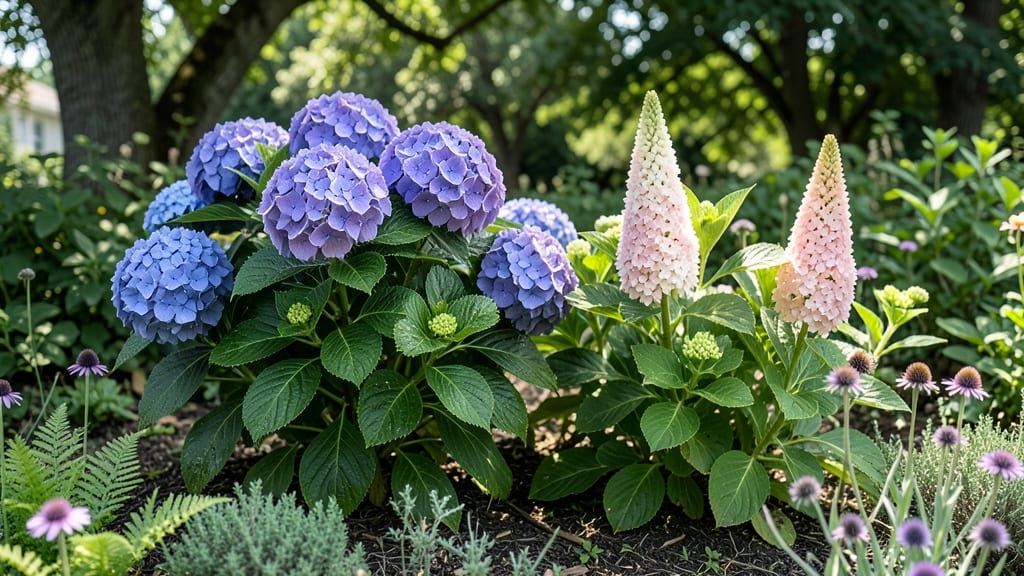
Hydrangeas don't bloom all summer unless you choose the right varieties. 🌸 I've learned the hard way that some types need winter dormancy to push new flowers, while others keep blooming like clockwork—like the 'Limelight' or 'Endless Summer' series that reward patience with season-long color.
The secret lies in their growth habits: mophead types bloom on old wood (last year's growth), while panicle varieties bloom on new wood (current season's stems). Pruning at the wrong time can wipe out blooms for a whole season—so timing matters more than you'd think.
With consistent watering, balanced soil pH, and strategic deadheading, you'll extend blooms from June through September. The key is matching varieties to your climate: frost-resistant types handle heat waves better than tropical varieties that wilt in summer heat.
Whether you're growing in containers or garden beds, these tips work for any backyard. The payoff? A garden that stays vibrant when other shrubs are fading—no synthetic fertilizers required.
Root Causes Of Short-Lived Blooms
Understanding why hydrangeas don’t bloom all summer often comes down to their biology, care habits, and environmental triggers. While some varieties naturally have staggered blooming cycles, others struggle due to genetics, stress, or improper maintenance. Let’s break down the key reasons—so you can troubleshoot and extend that floral show!
Not all hydrangeas are created equal! Their blooming habits are hardwired into their DNA:
- Mophead & Lacecap Hydrangeas (Hydrangea macrophylla): These classic varieties produce old wood blooms—meaning buds form on stems from the previous year’s growth. If winter pruning cuts back too aggressively or frost damages old wood, you’ll miss spring blooms entirely.
Even if new growth emerges, it may take weeks to rebloom, leaving gaps in summer color. - Panicle & Oakleaf Hydrangeas (Hydrangea paniculata & quercifolia): These are rebloomers, forming buds on current-season growth.
While they can produce flowers later, they often peak in early to mid-summer and taper off unless conditions stay ideal.
Heatwaves or drought can stall new flower development. - Annual vs. Perennial Bloomers: Some hydrangeas (like Hydrangea arborescens) bloom on new wood only, so if pruning is late or growth is slow, summer blooms may be sparse.
Actionable Fix: Choose varieties bred for extended blooming, like ‘Endless Summer’ (a macrophylla hybrid) or ‘Limelight’ (paniculata), which rebloom reliably.
Hydrangeas are thirsty divas—they wilt under stress, and stressed plants skip blooming. Here’s how:
- Heatwaves (Above 90°F): High temperatures cause bud abortion—flowers drop before opening. Panicle hydrangeas, in particular, may halt blooming if daytime temps stay scorching for weeks. - Drought Conditions: Even drought-tolerant varieties like oakleaf hydrangeas pause flower production when roots dry out.
Buds need consistent moisture to swell and open. - Poor Soil Drainage: While hydrangeas love moisture, waterlogged roots suffocate them, leading to stunted growth and fewer blooms. Clay soil or overwatering can trigger this.
Actionable Fix:
- Mulch deeply (3–4 inches) to retain moisture and regulate soil temp.
- Water deeply 2–3x/week during summer droughts (1–1.5 inches per week).
- Use soaker hoses to avoid wetting leaves (which encourages fungal diseases).
Pruning at the wrong time—or not at all—can sabotage summer blooms:
- Pruning Old Wood Too Late: If you cut back macrophylla hydrangeas after buds form (usually in late winter/early spring), you’ll remove next year’s flowers.
Wait until after blooming (late summer/fall) to prune these types. - Over-Pruning Rebloomers: Panicle and oakleaf hydrangeas need selective pruning—cutting back too much removes next season’s buds.
Aim to remove only dead or crowded stems in early spring. - Shearing for Shape: Busy pruning (like topiary) can stimulate leafy growth over flowers, leaving your hydrangea looking bushy but bare.
Actionable Fix:
- Macrophylla (mophead/lacecap): Prune after blooming (July–August) to encourage next year’s buds.
- Panicle/Oakleaf: Prune in early spring (before new growth) to shape without sacrificing blooms.
- Avoid summer pruning—it stresses plants and may halt flowering.
Hydrangeas are heavy feeders, and poor nutrition directly impacts blooming:
- Low Phosphorus (P): Phosphorus is the bloom booster—without it, plants focus on leaves over flowers. A soil test showing low P (under 30 ppm) explains sparse blooms. - Over-Fertilizing with Nitrogen (N): Too much nitrogen = leafy monsters, no flowers.
A high N fertilizer (like lawn food) signals the plant to grow foliage instead of blooms. - Micronutrient Imbalances: Magnesium or calcium deficiencies can cause bud drop or stunted growth. Yellowing leaves (especially between veins) often signal magnesium deficiency.
Actionable Fix:
- Apply a bloom-boosting fertilizer (high in P, like 5-10-5) in early spring and mid-summer.
- Use compost or bone meal for organic phosphorus.
- Test soil every 2–3 years—hydrangeas thrive in acidic to neutral soil (pH 5.5–6.5).
Hidden threats can steal your hydrangea’s energy before flowers even form:
- Aphids & Spider Mites: These sap-suckers stress plants, causing buds to dry up or drop. Heavy infestations lead to yellowing leaves and stunted growth. - Powdery Mildew: A fungal disease that coats leaves in white powder, blocking sunlight and reducing photosynthesis.
Infected plants may abort buds. - Japanese Beetles: Adults skeletonize leaves, weakening the plant. Larvae (grubs) feed on roots, further stressing the hydrangea.
Actionable Fix:
- Spray with neem oil (preventative) or insecticidal soap for pests.
- Improve airflow (space plants 3–5 feet apart) to prevent mildew.
- Handpick beetles or use milky spore for long-term grub control.
Even the hardiest hydrangeas slow down with age:
- Over-Mature Plants: Hydrangeas over 10–15 years old may produce fewer, smaller blooms as energy shifts to maintaining old wood.
- Root Bound or Crowded: If roots are circling in a pot or roots of nearby plants compete for nutrients, blooming suffers.
- Winter Damage: Late frosts or freeze-thaw cycles can kill flower buds before they open, leaving bare stems.
Actionable Fix:
- Divide old plants every 5–7 years to rejuvenate growth.
- Repot container hydrangeas in spring if roots circle the pot.
- Protect from late frosts with frost cloth if buds appear early.
Revitalize Your Hydrangeas Summer Bloom
If your hydrangeas are struggling to bloom all summer, don’t fret! With the right care, you can coax them back to life and enjoy vibrant blooms from season to season. Below are practical solutions tailored to common issues—plus prevention tips to keep your plants thriving.
Hydrangeas need strategic pruning to encourage new growth and blooms. If you’ve cut back too much or at the wrong time, your plant may skip flowering.
- 🔪 Trim at the Right Time
- Old-Wood Bloomers (e.g., Hydrangea macrophylla): Prune right after flowering (late summer/early fall) to avoid cutting off next year’s buds.
- New-Wood Bloomers (e.g., Hydrangea paniculata): Prune in late winter/early spring to remove dead stems and shape the plant.
- ✂️ Avoid Over-Trimming
- Never cut more than 1/3 of the plant in one session.
- Focus on removing dead, weak, or crossing branches rather than excessive thinning.
- 💡 Pro Tip: If you’ve already overpruned, don’t panic! Hydrangeas are resilient. Apply a balanced fertilizer (10-10-10) in spring to stimulate new growth.
Underwatering, overwatering, or poor soil can stunt blooms. Hydrangeas thrive in consistently moist but well-draining soil.
- 🌡️ Adjust Watering Habits
- Water deeply 2–3 times per week (more in extreme heat).
- Mulch around the base (2–3 inches of organic mulch) to retain moisture and regulate soil temperature.
- 🧪 Test and Amend Soil
- Hydrangeas prefer slightly acidic soil (pH 5.2–6.0) for optimal blooming.
- 📊 Soil Test Kit: Use one to check pH. If too alkaline, add sulfur or peat moss to lower pH.
- 🌿 Improve Drainage: If soil is compacted, mix in compost or perlite to aerate.
- ⚠️ Warning: Yellowing leaves? It could mean overwatering or root rot. Let the soil dry slightly between waterings.
Too much sun or shade can stress hydrangeas, leading to sparse blooms.
- 🌿 Find the Sweet Spot
- Morning sun + afternoon shade is ideal (especially in hot climates).
- 🌞 Full sun (6+ hours): Works for varieties like H. paniculata but may scorch others.
- 🌳 Move If Needed
- If leaves are bleached or crispy, relocate to a shadier spot.
- ✨ Pro Tip: Use lightweight shade cloth (30–50%) in peak summer if moving isn’t an option.
Hydrangeas are heavy feeders. Without proper nutrients, they’ll produce fewer (or no) flowers.
- 🌱 Fertilizer Schedule
- Spring (March–April): Apply a balanced fertilizer (10-10-10) or hydrangea-specific food.
- Mid-Summer (June–July): Use a low-nitrogen, high-phosphorus fertilizer (e.g., 5-10-10) to boost blooming.
- 🍄 Organic Alternatives
- Compost tea or fish emulsion for a gentle nutrient boost.
- 🌿 Coffee grounds (slightly acidic) can help lower pH naturally.
- ⚠️ Avoid Over-Fertilizing: Too much nitrogen = leafy growth, no flowers. Follow package instructions!
Pests like aphids or fungal diseases (e.g., powdery mildew) can drain energy from your hydrangeas, reducing blooms.
- 🐜 Spot and Treat Pests
- Aphids/Spider Mites: Spray with neem oil or soapy water.
- Slugs/Snails: Use beer traps or diatomaceous earth.
- 🌡️ Prevent Fungal Issues
- ✂️ Prune for airflow to reduce humidity around foliage.
- 💦 Water at the base (avoid wetting leaves) to prevent mildew.
- 💡 Pro Tip: Copper fungicide can help if powdery mildew appears.
Once your hydrangeas are back on track, keep them happy with these long-term care tips:
- 🌱 Plant the Right Variety: Choose reblooming types like Endless Summer or Limelight for extended summer color.
- 📅 Prune Yearly: Stick to a seasonal pruning schedule based on your hydrangea type.
- 🌡️ Protect from Frost: In colder zones, mulch heavily in fall and cover young plants if frost is forecasted.
- 🌿 Monitor Soil pH: Test annually and adjust with lime (to raise pH) or sulfur (to lower pH) as needed.
With these fixes, your hydrangeas should bounce back stronger—and keep blooming beautifully all summer long! 🌸💦
Frequently asked questions
Which hydrangea varieties actually bloom all summer?
Look for reblooming types like 'Endless Summer' (mophead/lacecap) or 'Limelight' (panicle). These hybrids produce flowers on both old and new wood, giving you June-through-September color. Oakleaf varieties also extend blooming when grown in ideal conditions.
Why do my hydrangeas bloom heavily in spring but fade by July?
This is common with mophead/lacecap types that bloom on old wood. Once those spring flowers fade, new blooms may take weeks to develop. Panicle types often peak in early summer too. The fix? Deadhead spent blooms regularly and fertilize with phosphorus-rich food in mid-summer.
Can I prune hydrangeas in summer without ruining next year's blooms?
Only prune to remove dead/diseased stems or shape lightly. Avoid heavy pruning—it stresses plants and can halt new flower formation. For mophead types, wait until after blooming (late summer) to prune. Panicle types tolerate light summer trimming better but still need careful timing.
How do I keep hydrangeas blooming in hot, dry climates?
Mulch heavily (3-4 inches), water deeply 2-3 times weekly, and provide afternoon shade. Choose heat-tolerant varieties like 'Nikko Blue' or 'Firelight'. Avoid fertilizing during extreme heat—it stresses plants further. Container-grown hydrangeas need daily watering in summer.
Will changing my soil pH make my hydrangeas bloom longer?
Most hydrangeas prefer pH 5.2-6.0 for optimal blooming. Test your soil and amend with sulfur (to lower pH) or lime (to raise it). Blue flowers need more acidity (pH 5.2-5.5), while pinks thrive at pH 6.0-6.2. Regular pH checks help maintain consistent blooming.