
Blooming
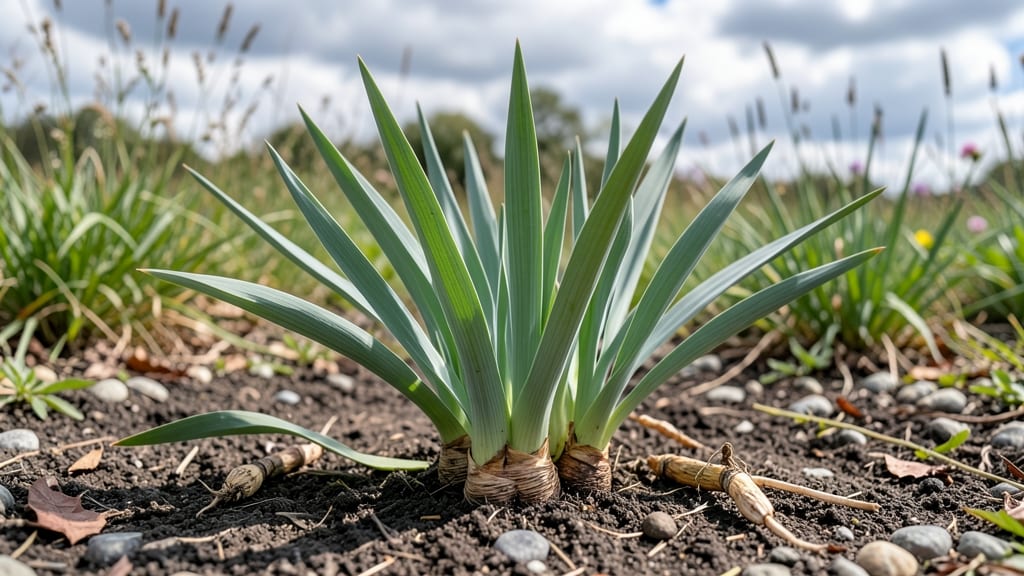
Iris plants usually don't bloom in their first year because they prioritize developing a strong root system and foliage. Most varieties need 2–3 years of growth before producing flowers in spring or early summer.
This early growth phase is all about building the foundation for future blooms. 🌱 Irises store energy in their rhizomes (thick underground stems) during their first year, which fuels their flowering potential in later seasons.
Think of it like saving up for a big purchase—you wouldn't splurge on flowers if your roots weren't firmly established first. The timing can vary slightly based on your climate and soil quality, but patience pays off with bigger, more vibrant blooms down the road.
What's interesting is how different iris varieties handle this growth cycle. Some hardier types might surprise you with a few blooms in their second year, while others play by the textbook 2–3 year rule.
The key is giving them the right conditions—well-draining soil, full sun exposure, and consistent moisture without waterlogging—to support this critical root development phase.
💡 In This Article
- Why Iris Plants Skip Blooming in Early Years
- Tips to Encourage Faster Iris Flowering
Why iris plants skip blooming in early years
The first-year growth phase of iris plants is primarily about developing a robust root system through their rhizomes—thick, fleshy underground stems that store nutrients.
These rhizomes can grow 2-4 inches in their first year, establishing a network that anchors the plant and collects energy for future blooms. 🌱 Unlike annual flowers that bloom quickly, irises are perennials with a multi-year energy investment strategy, similar to how fruit trees prioritize trunk and branch development before producing fruit.
This energy allocation works through a process called dormancy programming, where the plant shifts resources from above-ground growth to below-ground storage. During this phase, you'll notice the iris focuses on producing long, sword-like leaves while the rhizome thickens—this is its way of preparing for the metabolic demands of flowering.
Research shows that well-established rhizomes with a diameter of 1-2 inches are more likely to produce blooms in subsequent years, as they've built sufficient carbohydrate reserves.
Climate plays a crucial role in this timing. In cooler regions, iris plants may take an extra year to bloom because the growing season is shorter, limiting their ability to store energy.
Conversely, in warmer climates with longer growing seasons, some varieties might produce a few blooms in their second year.
The key factor is daylength sensitivity—many iris varieties respond to increasing daylight hours in spring as a signal to begin flowering, but this trigger only works effectively after adequate root development.
Soil conditions further influence this process. Irises thrive in well-draining soil with a pH between 6.0-7.0, as poor drainage or compacted soil can stunt rhizome growth. When roots struggle to access oxygen and nutrients, the plant diverts even more energy to survival rather than flowering.
This is why gardeners often recommend planting irises in raised beds or sandy loam—these conditions create an optimal environment for rapid, healthy rhizome development.
What's fascinating is how this biological strategy mirrors human growth patterns. Just as children focus on physical development before intellectual or creative pursuits, iris plants prioritize foundational growth before producing their showy blooms.
The trade-off ensures that when flowers do appear, they're larger, more vibrant, and more abundant than they would be if the plant had bloomed prematurely.