
Blooming
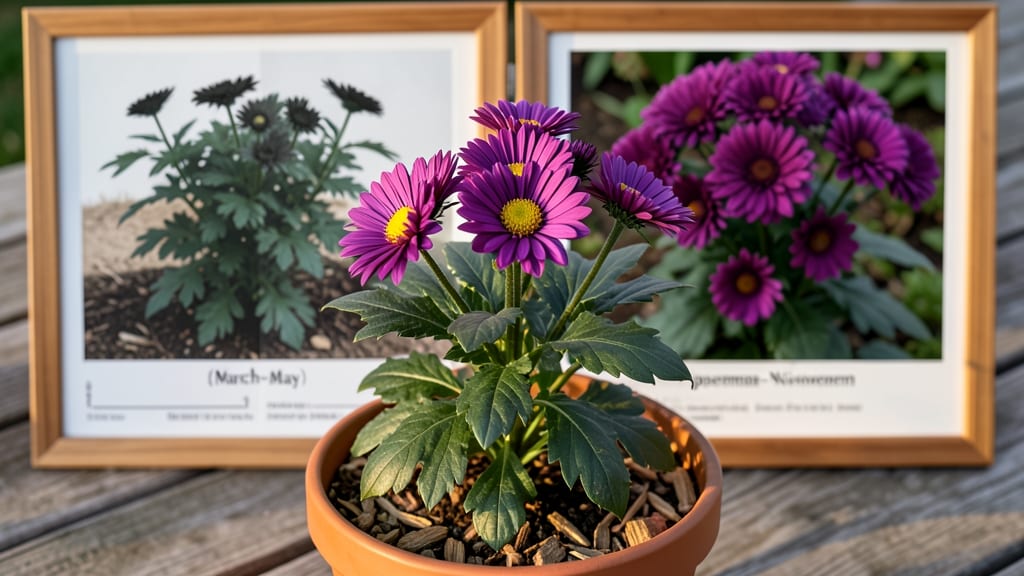
Mums (chrysanthemums) don't typically bloom in spring—they're fall bloomers, relying on cooler temperatures and shorter daylight hours to trigger their vibrant flowers. Forcing spring blooms requires specialized varieties like 'Spring Mums' or specific growing techniques.
Most chrysanthemums follow nature's seasonal cues, blooming when days grow shorter and temperatures drop. 🌸 This photoperiodism response means spring blooms won't happen naturally—even in mild climates.
The 'Spring Mums' you might find in nurseries are actually hybrids bred to break this cycle, often needing careful light control or temperature adjustments to flower early.
If you're determined to grow spring-blooming mums, start with certified varieties and provide consistent 12-hour light periods during winter months. I've found that using grow lights for 14-16 hours daily from December through February helps force early blooms, though results vary by climate zone.
The trade-off? These spring-blooming varieties often have shorter vase life and less vibrant colors than their fall counterparts.
💡 In This Article
- Why Chrysanthemums Bloom in Fall, Not Spring
- How to Grow Spring-Blooming Mums: Varieties and Care Tips
Why chrysanthemums bloom in fall, not spring
Chrysanthemums (mums) are what botanists call "short-day plants," meaning they bloom in response to decreasing daylight hours—a phenomenon called photoperiodism. When daylight drops below 12-14 hours (typically in late summer to early fall), these plants detect the change through specialized proteins called phytochromes in their leaves.
This triggers a cascade of hormonal signals, including increased production of florigen, the flowering hormone. 🌿 The process is so precise that even a single extra hour of light can delay blooming by weeks.
Temperature plays a crucial supporting role. Mums thrive when nighttime temperatures fall between 50-65°F, which aligns perfectly with autumn's cooling trend.
Studies show that chrysanthemums grown at 60°F during daylight and 50°F at night produce the most vibrant blooms, while warmer spring temperatures (often 70°F+) can actually inhibit flowering.
This is why you'll rarely see natural mum blooms in spring gardens—even in warm climates, the longer daylight hours prevent the photoperiodic trigger.
The natural growth cycle of chrysanthemums is finely tuned to autumn's conditions. In the wild, these plants evolved in East Asia where they encountered predictable seasonal changes. Their root systems develop slowly during summer, storing energy for the critical fall bloom period.
This 6-8 week preparation window is what creates those iconic dense flower clusters—something that simply doesn't happen when you try to force spring blooming without proper conditions. 🌸
What most gardeners don't realize is that even the most hardy mum varieties need this photoperiodic trigger to produce quality blooms. While some modern hybrids can tolerate slightly longer days, they still require 10-12 hours of darkness daily to initiate flowering.
This explains why store-bought spring mums often look less vibrant—they're typically grown using artificial light cycles that can't perfectly replicate natural conditions.
Consider this comparison: A traditional fall mum variety like 'Autumn Beauty' will reliably produce 3-5 inch blooms when given proper autumn conditions, while a spring-forced version of the same plant might only yield 2 inch flowers with less color intensity.
The trade-off between natural seasonality and forced blooming is why professional florists often prefer working with autumn-grown mums for their superior quality and longevity.