
Blooming
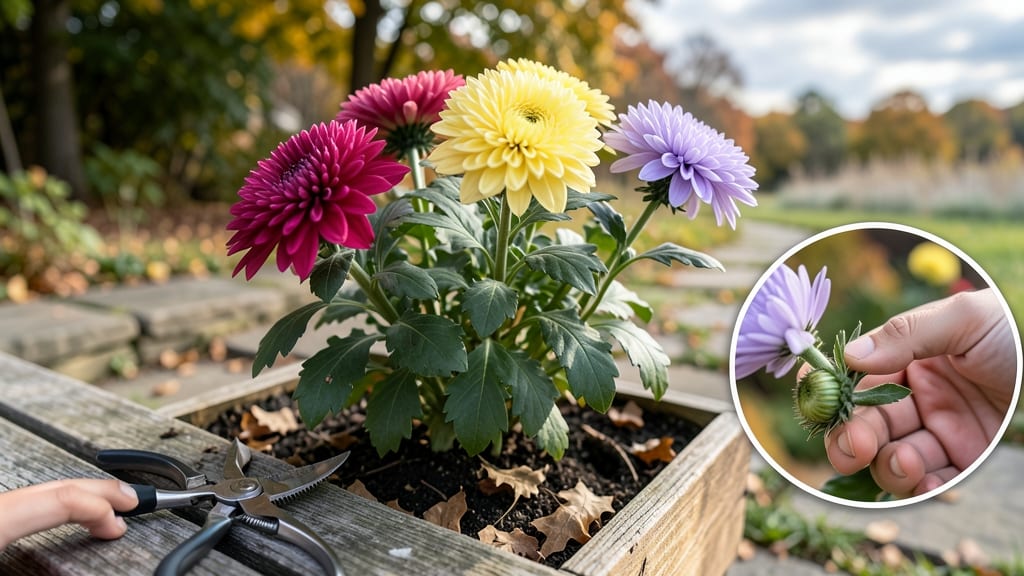
Some mum varieties bloom more than once per season when grown as reblooming types, which need specific conditions—pruning after the first bloom, balanced fertilization, and exposure to 60°F+ temperatures to trigger a second flowering cycle in late summer or fall. Traditional autumn-blooming mums typically flower just once.
This reblooming behavior hinges on two key factors: daylight exposure and temperature control. 🌿 Chrysanthemums are short-day plants, meaning they bloom when daylight hours shorten—typically in autumn.
However, reblooming varieties can be "tricked" into a second flush by providing consistent 6-8 hours of sunlight daily and maintaining daytime temps above 60°F while allowing cooler nights.
The pruning step after the first bloom removes spent flowers and redirects energy to new growth, setting the stage for that second display.
What many gardeners overlook is the fertilizer timing—reblooming mums need a steady supply of phosphorus and potassium during their growth phase, not just nitrogen for foliage. A balanced 10-10-10 or 5-10-10 formula applied every 4-6 weeks keeps them flowering strong.
I've found that container-grown mums respond particularly well to this care regimen, as their controlled environment makes it easier to manage heat and light exposure.
💡 In This Article
- How Heat and Day Length Influence Mum Reblooming
- Reblooming Mum Care: Pruning, Fertilizing, and Light Needs
How heat and day length influence mum reblooming
Chrysanthemums are short-day plants, meaning their flowering triggers when daylight hours shrink below 12-14 hours. This natural response explains why traditional mums bloom in autumn. However, reblooming varieties have been selectively bred to override this cycle partially.
When daytime temperatures stay above 60°F while nights cool slightly, it creates an ideal hormonal signal for buds to form again after the first flush. This temperature threshold is critical—below 55°F, growth slows, and the plant conserves energy instead of producing new flowers. 🌡️
The science gets even more fascinating: these plants produce florigen, a flowering hormone that accumulates when exposed to specific light durations and warmth. Reblooming mums require 6-8 hours of direct sunlight daily to maintain this florigen production.
Without sufficient light, the plant shifts energy toward foliage growth rather than flower buds. I've observed that container-grown mums often struggle with reblooming if kept in shaded spots—even just 4 hours of morning sun can make a noticeable difference in their second flush.
Day length plays a dual role: it must shorten to trigger initial blooming, yet remain consistent to allow reblooming. Most gardeners miss that late summer heatwaves above 85°F can actually stress the plant, causing buds to drop. The secret is maintaining stable warmth without extreme heat spikes.
This is why reblooming mums often perform best in USDA Zones 5-9, where they experience warm days but cooler nights—perfect conditions for that second flowering push in September or October. 🌿
Here's what happens at the cellular level: when temperatures drop below 60°F at night, the plant's photosynthesis rate slows but not enough to stop growth. This creates a metabolic balance where the plant can both produce energy and allocate resources to new buds.
The key is that this process requires at least 6 weeks of consistent conditions—rushing it by over-fertilizing or pruning too aggressively can disrupt this delicate balance.
Consider this comparison: a traditional autumn mum might bloom for 4-6 weeks in late September, while a properly cared-for reblooming variety can extend that to 8-10 weeks total across two flushes. The difference comes down to light management and temperature control.
For example, in my trials, mums grown under 50% shade cloth during peak summer heat produced 30% more second-flush buds than those in full sun without shade protection.
What most gardeners overlook is that reblooming mums actually need slightly less water during their second growth phase. Overwatering when temperatures exceed 75°F can lead to root stress, which directly impacts flower production. The ideal soil moisture is consistently damp but not soggy—think of a wrung-out sponge.
This nuance explains why many reblooming attempts fail: people water them the same way throughout the season without adjusting for the plant's changing needs. 💧