
Blooming
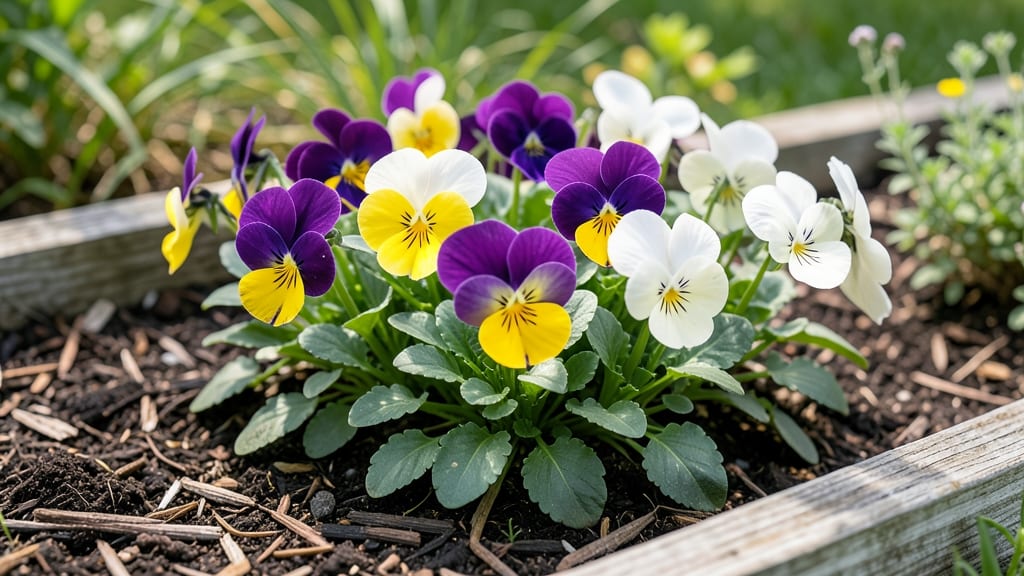
Yes, pansies bloom in winter because they thrive in cooler temperatures, producing vibrant flowers from late fall through early spring in many climates, especially cold-hardy varieties like Viola cornuta or Viola tricolor.
Pansies are winter's secret weapon in the garden, designed by nature to burst into color when most flowers go dormant. 🌨️ Their cold tolerance comes from a built-in survival mechanism—cooler temperatures actually trigger their blooming cycle, while warmer days can cause them to produce more foliage than flowers.
This makes them perfect for gardeners in zones 3-9 who want year-round color without constant replanting.
What sets winter pansies apart is their ability to handle light frosts (down to 20°F for some varieties) while still delivering those cheerful faces. I've seen them bloom under snow in my zone 5 garden—just make sure they're planted in well-draining soil with afternoon shade in extreme cold.
The secret to their winter success lies in their genetic makeup, which includes natural antifreeze proteins that protect their cells from freezing.
💡 In This Article
- Why Pansies Flourish in Winter Conditions
- Best Winter-Blooming Pansy Varieties for Cold Climates
Why pansies flourish in winter conditions
Pansies' winter blooming ability stems from their unique botanical adaptation: they're short-day plants that actually require cooler temperatures to trigger flowering. Unlike spring varieties, which need warm soil to germinate, winter pansies thrive when daytime highs drop below 65°F.
This temperature shift signals their genetic programming to produce flowers instead of just leaves, a process called vernalization—similar to how some vegetables need cold periods to set seed.
The magic happens at the cellular level. Pansies produce special proteins that protect their flower buds from freezing temperatures down to 15-20°F for most varieties.
Their leaves contain high levels of antifreeze compounds that lower the freezing point of their cell fluids, preventing ice crystal formation that would damage delicate tissues. This is why you'll often see pansies blooming under snow—while other plants might be dormant, pansies are actively growing and flowering.
Light plays a crucial role too. Winter pansies respond to shorter daylight hours (typically 8-10 hours of daylight) by redirecting energy toward flower production rather than leaf growth. This photoperiod sensitivity explains why they bloom so prolifically in winter while many other flowers remain dormant.
The contrast between winter pansies and spring varieties is striking: spring types need 12+ hours of daylight to flower, while winter types thrive with less.
What most gardeners don't realize is that pansies actually perform better in winter than summer. During hot weather, they often go dormant or produce fewer flowers because their energy goes toward protecting themselves from heat stress.
The cooler temperatures of winter create ideal conditions for continuous blooming—something that's hard to replicate with summer annuals that require constant deadheading and watering.
Here's the science behind their frost resistance: pansies have a unique cellular structure where their vacuoles (water-filled compartments) contain high concentrations of sugars and proteins that act like natural antifreeze. When temperatures drop, these compounds bind to ice crystals, preventing them from growing large enough to damage cell walls.
This is why you can often find pansies blooming after light frosts when other plants are damaged.
Consider this comparison: while impatiens might wilt at 32°F, pansies can handle 20°F with proper care. The key is selecting varieties bred for cold tolerance, like 'Matrix' series which can survive 15°F with mulch protection.
Their ability to bloom in winter makes them one of the most reliable cold-season flowers for gardeners in zones 3-9.