
Blooming
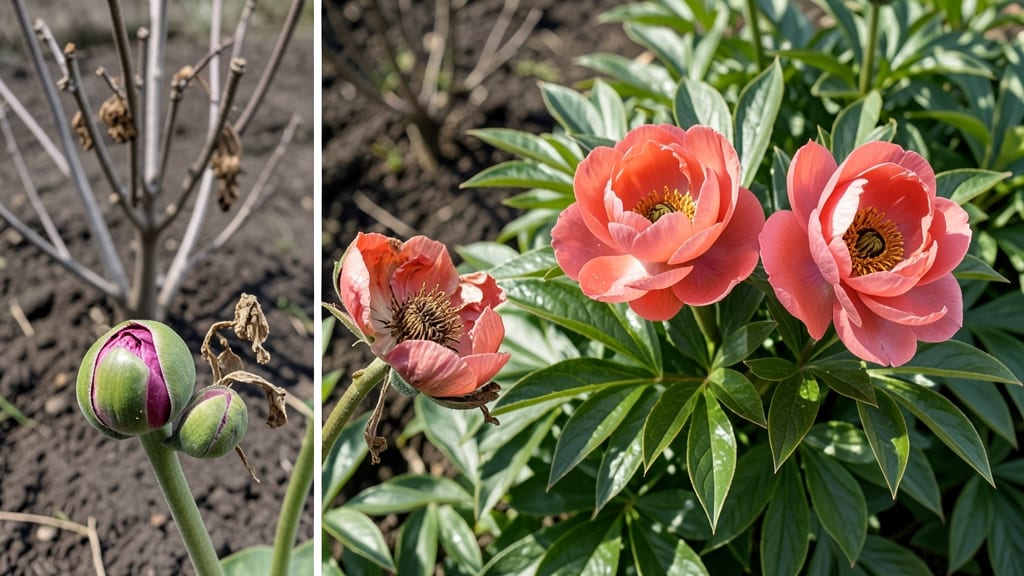
Peonies do bloom every year once they're fully established, often gracing your garden with vibrant flowers for decades with proper care—but some varieties, particularly newly planted or stressed plants, may take a break during their first few years or in dormancy seasons.
Peonies aren't just one-hit wonders—they're long-term performers, with some varieties like 'Sarah Bernhardt' reliably producing blooms annually once their roots settle in. 🌸 The key is patience: newly planted peonies often skip their first year while focusing on root growth, and even mature plants may rest during winter dormancy.
I've seen herbaceous peonies (the most common type) deliver stunning displays for 30+ years when given well-draining soil and full sun, while tree peonies sometimes take 3-5 years to establish their blooming rhythm.
What sets reliable bloomers apart is their genetic makeup and care history. Varieties like 'Bowl of Beauty' (with its classic pink blooms) tend to be more consistent than newer hybrids, though even the best performers may produce fewer flowers after heavy blooming years.
The secret? Pruning spent blooms promptly and avoiding over-fertilization—too much nitrogen can actually reduce flowering while boosting leaf growth.
💡 In This Article
- Why Some Peonies Skip Blooming: Dormancy and Growth Cycles
- Best Peony Varieties for Reliable Annual Blooms
Why some peonies skip blooming: dormancy and growth cycles
Peonies follow a natural biological rhythm where their first 2-3 years are all about building a strong root system rather than producing flowers. This "juvenility period" is hardwired into their genetics—think of it like a teenager focusing on growth before hitting their prime.
The roots need to establish a network deep enough (often 12-18 inches below soil) to support the energy demands of blooming. During this time, you might see lush foliage but no flowers—a sign the plant is investing in its future rather than immediate beauty. 🌱
The seasonal dormancy cycle plays a crucial role too. In colder climates, peonies enter a 6-8 week dormancy period during winter when temperatures drop below 40°F. This rest phase is essential for flower bud formation the following spring.
What many gardeners miss is that even in mild winters, peonies need this dormancy to reset their energy reserves. Without it—like in consistently warm regions—they may produce fewer or weaker blooms.
The science behind this involves hormonal shifts where the plant's growth regulators (like auxins) shift from vegetative growth to reproductive mode.
Climate also creates significant variations in blooming consistency. Herbaceous peonies in USDA Zones 3-8 typically bloom annually once established, but those in Zone 9+ may struggle with heat stress, which can cause buds to drop before opening.
I've noticed that tree peonies (which are hardier) often bloom more reliably in hotter climates because their woody stems store more energy. The key difference? Herbaceous peonies rely on annual root growth for energy, while tree peonies tap into stored reserves in their thick stems. 🌡️
Stress factors like poor soil drainage, improper planting depth (2 inches below soil line is ideal), or overcrowding can trigger skipped blooming years. When peonies struggle, their survival instincts kick in—they'll prioritize root and leaf growth over flowers.
Even mature plants may skip a year if they've had a particularly heavy blooming season the previous year, as they need to replenish their energy stores. This is why gardeners often see "off years" where the plant looks healthy but produces no flowers—a completely normal part of their life cycle.
What distinguishes normal dormancy from stress-induced skipping? Healthy dormant peonies will still produce new shoots in spring, while stressed plants may show stunted growth or yellowing leaves.
The telltale sign of a stressed peony is when it produces foliage but no flower buds by early spring—a clear indication it's prioritizing survival over reproduction.
In these cases, adjusting care practices (like improving soil drainage or reducing fertilizer) can often bring back reliable blooming within a season or two. 🌿