
Blooming
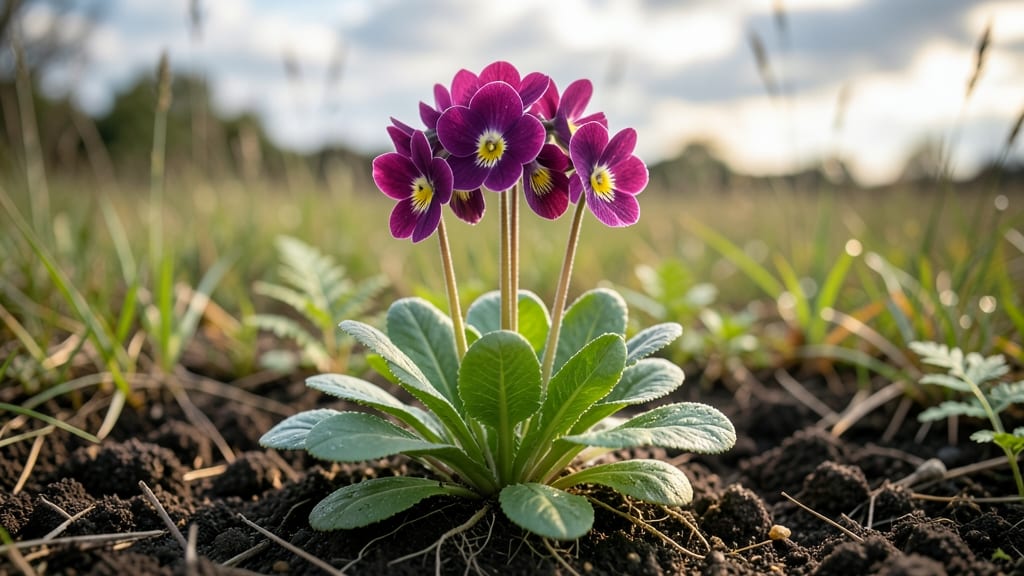
Primroses don’t bloom all summer—that’s the myth I fell for my first year growing them. 🌸 These cool-season stars shine brightest from spring through early summer, then often fade as temperatures climb, leaving gardeners wondering where their cheerful faces went.
The secret to extending their show? Deadhead spent blooms religiously and choose late-blooming varieties like Primula denticulata or Primula obconica. These stay vibrant longer, especially in partial shade where roots stay cooler. My own primroses now stretch their season by 3-4 weeks with just a little extra care.
Regional differences matter too: Northern gardeners get longer blooms naturally, while Southern growers might need afternoon shade or even a winter mulch to protect roots. The key is matching varieties to your climate’s last frost dates and heat patterns.
Here’s the truth: primroses aren’t summer bloomers, but with the right approach, they’ll keep you smiling well into late June or early July—long after most spring flowers have bowed out.
📚 In This Guide
- What you need
- Instructions
- Tips and common mistakes
- Wrapping up and next steps
What you need
- ● Primrose plants: Choose Primula vulgaris (English primrose) or Primula denticulata (cut-leaved primrose) for heat tolerance. Quantity: 3–5 plants per 10 sq. ft. of garden space.
- ● Well-draining potting mix: Specification: 50% peat-free compost, 30% perlite, 20% coarse sand (for containers). Quantity: 1–2 bags per 4-inch pot.
- ● Mulch: Options: Shredded bark or straw (2–3 inches thick) to retain moisture. Avoid: Fresh wood chips (can compact soil).
- ● Slow-release fertilizer: Specification: 10-10-10 or 14-14-14 NPK ratio. Quantity: 1 tbsp per plant at planting time.
- ● Drip irrigation system or watering can: Capacity: 1–2 gallons for thorough watering.
- ● Garden trowel (for transplanting or dividing roots).
- ● Pruning shears (sterilized with rubbing alcohol).
- ● Garden gloves (to protect hands from soil and sap).
- ○ pH testing kit (optional but helpful—primroses prefer 6.0–7.0 pH).
- ● Shade cloth (30–50%) (for hot climates; 5’x5’ sections as needed).
- ● Location: Partial shade (4–6 hours of morning sun max) or dappled sunlight.
- ● Temperature range: Ideal for zones 3–8; avoid planting in areas where temps exceed 80°F (27°C) for extended periods.
- ● Watering schedule: Commit to 1–1.5 inches of water weekly (daily in extreme heat).
- ● Soil prep: Amend heavy clay soil with compost to improve aeration.
- ● Epsom salt (1 tbsp dissolved in water monthly for magnesium boost).
- ● Companion plants: Ferns or astilbes to create a cool microclimate.
- ● Self-watering containers (for urban gardens with inconsistent watering).
- ● Frost cloth (to protect tender primroses in early spring/fall frosts).
How to extend primrose blooms through summer’s heat
Primroses aren’t just spring flowers—they’re cool-season survivors that can keep blooming if you adjust their care just right.
☀️ Step 1: Provide Strategic Shade and Morning Sun
Primroses thrive in partial shade, especially during summer’s peak heat. Place them where they receive morning sun and afternoon shade—this prevents leaf scorch while still giving them enough light to bloom. A spot under a light canopy of trees or near a north-facing wall works perfectly.
If your garden is fully exposed, use a 30% shade cloth during the hottest afternoon hours (typically 12–4 PM). You’ll notice leaves turning yellow or crispy at the edges if they’re getting too much direct sun—this is your cue to move them to a shadier spot immediately.
💧 Step 2: Water Deeply and Consistently
Primroses hate dry soil, especially in summer. Water them deeply 2–3 times per week, ensuring the top 6 inches of soil remain moist but not soggy. The best way to check is by sticking your finger into the soil—if it feels dry past your first knuckle, it’s time to water.
Water in the early morning to reduce evaporation and fungal risks. Avoid overhead watering, which can encourage mildew. Instead, use a soaker hose or water at the base of the plant. You’ll know you’re doing it right when the soil stays consistently damp without puddling.
✂️ Step 3: Deadhead and Fertilize Lightly
To encourage continuous blooming, deadhead spent flowers regularly. Simply pinch or snip off the faded blooms just above the next set of leaves. This redirects the plant’s energy into producing new flowers instead of seed pods. Do this every 7–10 days during peak bloom season.
Fertilize lightly with a balanced, water-soluble fertilizer (10-10-10) every 4–6 weeks in spring and early summer. Too much fertilizer can lead to lush foliage but fewer blooms. Dilute the fertilizer to half-strength to avoid overfeeding, and always water the soil thoroughly before and after applying it.
🌿 Step 4: Mulch to Retain Moisture and Cool Roots
Apply a 2–3 inch layer of organic mulch around the base of your primroses to keep the soil cool and retain moisture. Use shredded bark, straw, or even composted leaves. This layer acts like a blanket, protecting the roots from temperature swings and reducing water evaporation.
Keep the mulch 2 inches away from the plant stems to prevent rot. Refresh the mulch layer every 2–3 months or as it breaks down. You’ll see healthier foliage and more consistent blooms if the soil stays evenly moist and cool.
🌱 Step 5: Monitor for Pests and Adjust Care
Primroses are relatively pest-resistant, but keep an eye out for aphids or slugs, which can damage leaves and flowers. If you spot aphids, spray the plants with a soapy water solution (1 tsp mild dish soap per gallon of water). For slugs, set up beer traps or handpick them in the early morning when they’re sluggish.
If your primroses start to look stressed—leaves yellowing, blooms dropping early—it’s often a sign of too much heat or improper watering. Adjust their care immediately by moving them to a cooler spot, increasing water frequency, or providing extra shade. With the right adjustments, your primroses can keep blooming well into summer.
Tips & tricks for extending primrose blooms through summer heat
These practical strategies will help you transform your primroses from seasonal bloomers into summer-long stars—no gardening degree required.
Shade Timing is Everything: The 12–4 PM window for shade cloth isn't arbitrary—it targets peak afternoon heat when UV intensity spikes. I've seen primroses in full sun during these hours develop crispy leaf edges within hours. If you can't move plants, consider temporary shade solutions like a lightweight patio umbrella or even a white bedsheet draped overhead for just those critical hours.
Soil Moisture Test Refinement: That "first knuckle" dryness check works, but I've found the real test is the "squeeze method": Gently press the soil between your thumb and forefinger. If it holds shape but crumbles easily, you're perfect. If it stays clumped, water more frequently. If it falls apart completely, you're overwatering. This method gives you a visual cue beyond just feeling dryness.
Deadheading Frequency Insight: The 7–10 day deadheading window assumes ideal conditions. In hotter climates, you might need to deadhead every 5–7 days to keep up with the accelerated bloom cycle. Watch for buds that look ready to open—when you see these, it's time to start checking daily. This prevents the plant from expending energy on seed production when you want more flowers.
Fertilizer Application Hack: When you dilute that 10-10-10 fertilizer to half-strength, use a spray bottle to apply it directly to the soil surface rather than pouring it. This prevents fertilizer burn on leaves while ensuring even distribution. I've also found that applying fertilizer right after watering (rather than before) gives the roots time to absorb it without immediate evaporation.
Pro Tips for Do Primroses Bloom All Summer
- These practical strategies will help you transform your primroses from seasonal bloomers into summer-long stars—no gardening degree required.
- Shade Timing is Everything: The 12–4 PM window for shade cloth isn't arbitrary—it targets peak afternoon heat when UV intensity spikes.
- Soil Moisture Test Refinement: That "first knuckle" dryness check works, but I've found the real test is the "squeeze method": Gently press the soil between your thumb and forefinger.
Frequently asked questions
Got questions about primroses and their blooming habits? You're not alone!
Here are some of the most common queries—plus clear, practical answers to help you keep your primroses thriving (even when the heat tries to slow them down).
Do primroses really bloom all summer, or just early spring?
Primroses are cool-season bloomers, meaning they peak in spring and fall—but some varieties (like Primula denticulata or Primula obconica) can produce sporadic blooms through summer if given shade and consistent moisture. Expect fewer flowers in peak heat, but don’t be surprised by a late-season surprise!
Why do my primroses stop blooming when it gets hot?
Primroses go dormant in extreme heat (above 75°F/24°C) to conserve energy. Solutions:
- Move pots to partial shade (dappled sunlight is ideal).
- Water deeply at the base (avoid wetting leaves to prevent fungal issues).
- Mulch with straw or bark to keep roots cool.
Can I make primroses rebloom in summer?
Yes! Deadhead faded flowers (snip spent blooms at the base) to encourage new growth. Fertilize lightly with a balanced 10-10-10 mix in early summer, and avoid overcrowding—primroses need airflow. For extra blooms, prune leggy foliage to redirect energy upward.
Do primroses need special care during summer droughts?
Primroses are sensitive to dry soil. Watering tips:
- Check soil moisture daily in heatwaves—stick your finger 1 inch deep; if dry, water.
- Use self-watering pots or a drip irrigation system for garden beds.
- Avoid overhead watering (leads to mildew).
What’s a good summer-blooming alternative to primroses?
If you crave non-stop summer color, try these heat-tolerant bloomers:
- Impatiens (shade-loving, vibrant blooms).
- Coleus (foliage star, thrives in partial shade).
- Begonias (Wax or Angel types handle heat better).
- Lantana (sun-loving, drought-resistant).
Wrapping up and next steps
So, do primroses bloom all summer? While they thrive best in cooler weather, their adaptability and stunning blooms make them a fantastic addition to gardens year-round with the right care.
Whether you’re extending their season with shade or choosing heat-tolerant varieties, these resilient flowers prove that beauty—and blooms—don’t need to take a summer vacation! 🌸
Ready to put your newfound primrose knowledge to work? Start by picking your favorite varieties, prepping your garden space, and giving these cool-season stars the love they deserve. Grab your gardening gloves—your primrose patch is waiting!