
Blooming
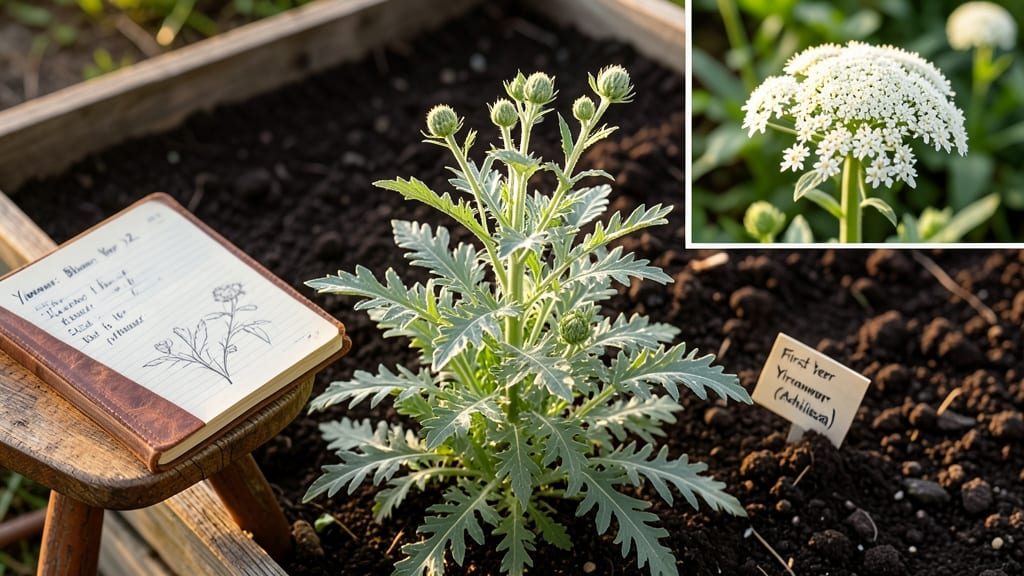
Yarrow generally won’t bloom during its first year after planting since it prioritizes building a deep root system, though fast-growing varieties in perfect conditions—full sun, well-draining soil, and steady water—might produce a few scattered flowers. Waiting a year or two usually rewards you with abundant, long-lasting blooms.
Most gardeners assume yarrow is a fast bloomer, but its growth cycle works differently. 🌱 This hardy perennial often takes its first season to focus on root development, especially in cooler climates or nutrient-poor soils.
The key to encouraging early blooms lies in selecting the right variety—some, like ‘Moonshine’ or ‘White Plume,’ mature faster than others. Even then, expect only minimal flowers in year one unless you provide ideal growing conditions.
What’s fascinating is how yarrow’s flowering response mirrors its survival instincts. When stressed by drought or poor soil, it delays blooming to conserve energy. This is why many gardeners report better results in their second or third year, when the plant has established a strong foundation.
Patience pays off with vibrant, cluster-forming blooms that attract pollinators all season.
💡 In This Article
- Why Yarrow Waits to Bloom: Root Development and Growth Phases
- Speeding Up Yarrow’s First-Year Flowers: Pro Tips for Gardeners
Why yarrow waits to bloom: root development and growth phases
Yarrow's first-year growth is all about survival, not show. This hardy perennial prioritizes developing a deep, fibrous root system that can reach 12-18 inches below soil level. Unlike annuals that focus on rapid above-ground growth, yarrow stores energy in its roots—similar to how echinacea builds reserves for future blooms.
The root system can spread 3-4 feet wide, creating a network that anchors the plant and supports its flowering phase in later years.
The botanical reason behind this delay lies in yarrow's biennial or short-lived perennial nature. In its first year, the plant allocates up to 70% of its energy toward root development rather than flower production.
This is especially true in cooler climates where the growing season is shorter. 🌱 For example, in Zone 5 gardens, yarrow might not even send up significant foliage until late spring, focusing entirely on underground growth.
Even in ideal conditions, the plant typically produces only 1-2 small flower stems in year one, if any.
Environmental stress plays a major role in delaying blooms. Drought conditions force yarrow to conserve water by prioritizing root growth over flowering. Poor soil with low organic matter (1-2% by volume) also slows development, as the plant struggles to access necessary nutrients.
In contrast, lavender—a similar hardy perennial—often blooms in its first year because it has shallower roots and a different energy allocation strategy. Yarrow's persistence pays off, though, as established plants can produce 100+ flowers per stem in subsequent years.
Light exposure affects flowering timing too. While yarrow thrives in full sun (6-8 hours daily), partial shade can delay blooming by 2-4 weeks as the plant adjusts its growth patterns.
The plant's natural flowering trigger occurs when day length increases in spring, but this signal is less effective when roots aren't fully established. This is why gardeners often see better first-year results with nursery-grown plants that already have established root systems.
What most gardeners don't realize is that yarrow's delayed blooming is an evolutionary adaptation. By focusing on roots first, the plant ensures it can survive drought and poor soil conditions that would kill less hardy perennials.
Once established, yarrow becomes incredibly resilient, often blooming profusely for 3-5 years with minimal care. This makes the initial waiting period worthwhile for those seeking long-term garden impact.
The comparison to other hardy perennials like echinacea is instructive. While both plants delay blooming, echinacea typically produces some flowers in year one if given perfect conditions, whereas yarrow remains more conservative.
This difference stems from yarrow's more aggressive root-spreading habit and its ability to thrive in drier, poorer soils where echinacea might struggle. The trade-off is that yarrow's patience results in a plant that's far more drought-tolerant once mature.