
Blooming
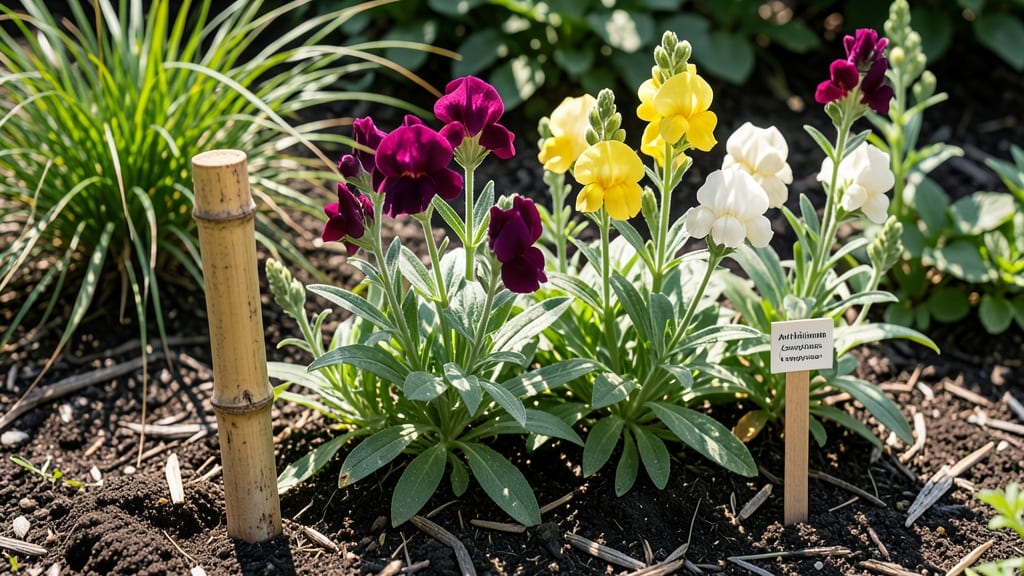
Snapdragons do not bloom all summer naturally—they prefer cooler temperatures and often stop flowering when heat peaks, though strategic care like deadheading and shade can keep them blooming well into late summer. Heat-tolerant varieties like 'Summer Wave' perform better but still need attention.
Snapdragons are cool-season plants, which means their natural blooming cycle aligns with spring and fall temperatures.
When summer heat arrives, many varieties enter a dormant-like state to conserve energy, causing buds to drop or fail to open. 🌡️ The key to extending their bloom period lies in managing stress—regular deadheading removes spent flowers, encouraging new growth, while afternoon shade helps prevent wilting.
I’ve found that mulching around the base and watering deeply in the morning (rather than evening) makes a noticeable difference in heat tolerance.
For gardeners in hot climates, choosing heat-resistant snapdragon strains is a game-changer. These varieties aren’t just bred for higher temperatures—they also handle humidity better, which is why they’re popular in regions with long summers.
Even with the right variety, though, consistent care is non-negotiable. The goal isn’t to force blooms in scorching weather but to create conditions where snapdragons can thrive as long as possible.
💡 In This Article
- Why Snapdragons Struggle in Summer Heat
- Deadheading and Heat Management for Longer Snapdragon Blooms
Why snapdragons struggle in summer heat
Snapdragons are cool-season annuals, meaning their natural growth cycle is optimized for temperatures between 50-75°F. When summer heat exceeds 80°F—especially with humidity—these plants trigger a survival mechanism called thermodormancy, where buds fail to open or flowers wilt within hours of blooming.
This happens because high temperatures accelerate respiration rates, forcing the plant to divert energy from flower production to cooling itself through transpiration. 🌡️ Think of it like a plant version of heat exhaustion: the flowers simply can't keep up with the metabolic demands.
The real culprit is ethylene gas, which snapdragons produce in response to heat stress. Ethylene acts like a hormonal signal telling buds to abort development, causing them to drop before opening. This is why you might see buds forming but never fully unfurling during peak summer.
Heat-tolerant varieties like 'Summer Wave' have been bred to produce 20-30% less ethylene under stress, but they still struggle when temperatures hit 90°F+. The difference? These varieties maintain better cell membrane integrity, allowing them to handle short heat spikes without immediate bud drop.
Humidity plays a silent but critical role too. In dry heat (75°F with 30% humidity), snapdragons can survive longer because they lose water through transpiration at a manageable rate.
But when humidity rises above 60%, the air becomes saturated with moisture, preventing proper evaporation and creating a sauna-like effect. This forces the plant to close its stomata (pores) to conserve water, which then starves the flowers of the carbon dioxide needed for photosynthesis—leading to rapid wilting. 💧
What most gardeners don't realize is that snapdragons also experience flower bud blast—where developing buds literally explode open prematurely due to heat-induced pressure buildup. This happens because the rapid expansion of cells in the bud can't keep pace with the surrounding tissue, causing the flower to rupture.
It's a dramatic (and messy) sign of heat stress that often goes unnoticed until the plant is already struggling. Comparing this to heat-sensitive petunias, which may just wilt, snapdragons show a more aggressive response to temperature spikes.
Soil temperature matters just as much as air temperature. When soil exceeds 85°F, root activity slows dramatically, cutting off the water and nutrient supply to the plant. This is why mulching with 2-3 inches of straw or wood chips becomes essential—it keeps soil temperatures 10-15°F cooler than exposed ground.
The roots stay active longer, giving the plant a fighting chance to sustain flower production even when air temperatures rise. Without this protection, snapdragons essentially go into survival mode, prioritizing root health over blooms.
One surprising fact is that snapdragons actually perform better in partial shade during summer. While they need 6-8 hours of sunlight for optimal growth, afternoon shade (especially in Zone 8+ regions) can reduce leaf temperatures by 10-15°F, preventing wilting.
This is why many gardeners use shade cloth (30-50% coverage) or plant snapdragons near taller perennials that provide natural shade. The goal isn't to eliminate sunlight entirely but to create a microclimate where the plant can regulate its temperature more effectively. 🌿