
Blooming
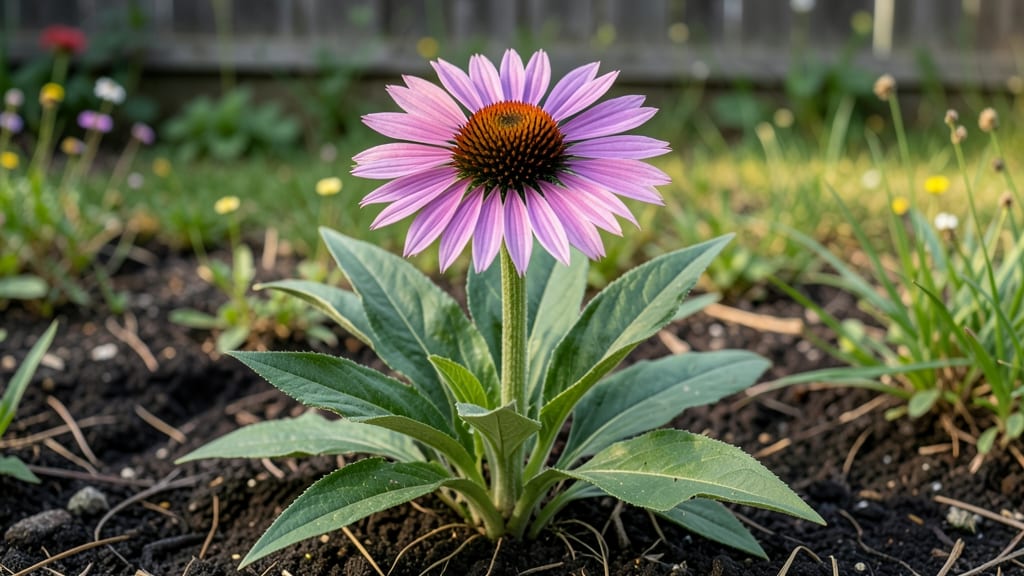
Perennials don't always bloom every year—only true reblooming varieties or those with optimal growing conditions will flower annually. Many perennials produce flowers once before dying back, while others may bloom sporadically depending on climate, soil quality, and sunlight exposure.
Not all perennials follow the same blooming schedule because their growth cycles depend on stored energy in roots and environmental cues. 🌱 For example, peonies typically bloom just once per year, while coneflowers and black-eyed Susans can rebloom with proper care.
The key difference lies in whether a plant is a one-time bloomer or a rebloomer, with genetics playing a major role. Even then, factors like winter dieback or insufficient sunlight can disrupt annual flowering patterns.
What's interesting is how deadheading (removing spent blooms) can trick some perennials into producing more flowers, while others need specific fertilization or pruning schedules. For instance, daylilies often rebloom if you cut back old foliage in early spring, while lavender may skip flowering entirely if overwatered.
Understanding these nuances helps gardeners create more predictable blooming displays year after year.
💡 In This Article
- Why Some Perennials Bloom Annually vs. Sporadically
- How to Encourage Year-Round Perennial Blooms
Why some perennials bloom annually vs. sporadically
The blooming habits of perennials come down to their biological energy storage systems. Most perennials store carbohydrates in their roots during the growing season, which they use to fuel next year's growth and flowering.
This stored energy acts like a plant's savings account—if the plant doesn't save enough during summer and fall, it may skip flowering entirely the following year. For example, peony roots can store up to 15% of their weight in starch, which directly impacts their ability to produce flowers annually.
Light exposure triggers the flowering process through a mechanism called photoperiodism. Short-day plants (like chrysanthemums) need fewer than 12-14 hours of daylight to bloom, while long-day plants (like delphiniums) require 14-16 hours of light.
Temperature also plays a crucial role—many perennials need a period of cold dormancy (typically 4-8 weeks below 40°F) to break dormancy and trigger spring blooming. Without this chilling period, some perennials may produce fewer or no flowers at all.
Genetics determine whether a perennial is a one-time bloomer or a rebloomer. One-time bloomers like foxglove or columbine produce all their flowers in a single season and then focus energy on seed production or foliage.
Rebloomers like coneflowers or black-eyed Susans have evolved to produce flowers multiple times by continuously generating new buds from their root systems. This genetic difference explains why some perennials can return with vibrant blooms year after year while others fade after their first flush.
Soil quality and nutrition also create significant variations in blooming patterns. Perennials grown in nutrient-poor soil may allocate more energy to root development than flowering, while those in rich, well-draining soil with adequate phosphorus and potassium can produce more abundant blooms.
For instance, lavender often struggles to rebloom in heavy clay soil because its roots can't access enough oxygen and nutrients. The right soil mix can make the difference between a perennial that blooms sporadically and one that thrives annually.
Environmental stress further complicates blooming patterns. Drought conditions can trigger some perennials to enter survival mode, producing fewer flowers to conserve water. Conversely, excessive moisture can lead to fungal diseases that weaken plants, reducing their ability to bloom.
Even pollinator activity plays a role—some perennials won't rebloom if they aren't successfully pollinated during their initial flowering period, as the plant may not receive the signal to produce more flowers.
Consider how daylilies demonstrate this perfectly: they're known rebloomers, but only if you remove spent blooms (deadheading) and provide consistent moisture. Without these interventions, they may produce just one flush of flowers in early summer.
The same plant in optimal conditions can continue blooming into fall, proving how much control gardeners have over these natural processes.