
Blooming
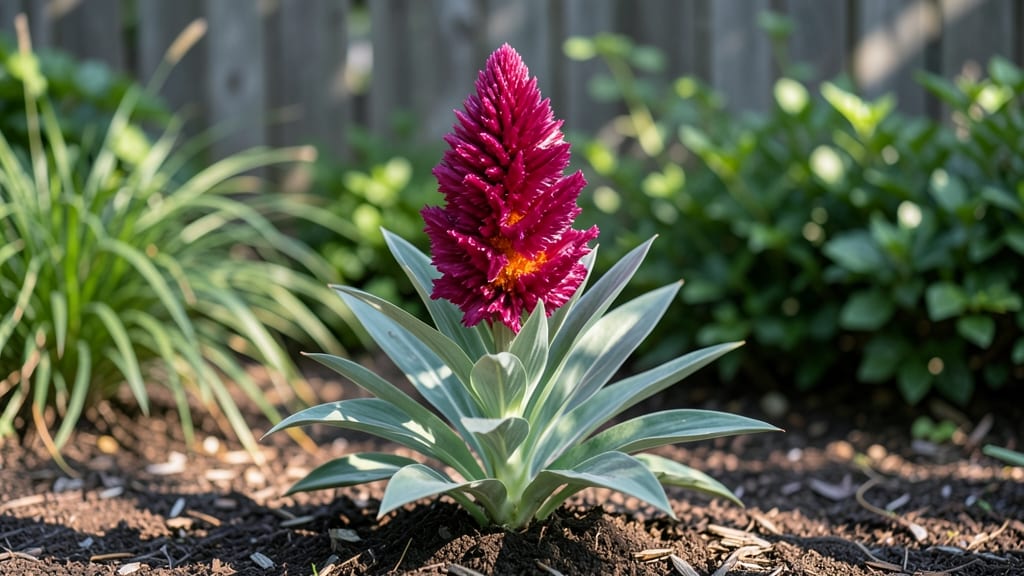
Celosia blooms all summer in warm climates (USDA Zones 9-11), thriving in heat and producing vibrant flowers from early summer through fall. In cooler zones (7-8), blooms may shorten but can extend with proper care and deadheading. Varieties like Celosia argentea and Celosia cristata are most reliable for long-season color.
Celosia's summer-long display depends heavily on where you garden.
In hotter regions like Florida or Southern California, these plants practically explode with color from June through October, often lasting until first frost. 🌿 The secret lies in their heat tolerance—many varieties actually prefer temperatures above 80°F, which is why they thrive in Zones 9-11.
Even in cooler climates (Zones 7-8), you can coax extra blooms by removing spent flowers regularly and providing afternoon shade during heatwaves. I've seen Celosia cristata varieties in Zone 7 gardens continue blooming into September with consistent deadheading and proper watering.
What's fascinating is how different celosia types respond to seasonal changes. The feather-like Celosia plumosa often puts on a longer show than the cockscomb varieties, while Celosia spicata tends to bloom more continuously but in shorter bursts.
The key to extending their season everywhere is understanding their growth patterns—most celosia plants are annuals that set seed quickly, so removing faded blooms redirects energy to new flowers rather than seed production. This simple technique can add 3-4 extra weeks of vibrant color to your garden beds.
💡 In This Article
- Celosia Bloom Duration by Climate Zone
- Extending Celosia Blooms: Deadheading and Care Tips
Celosia bloom duration by climate Zone
Celosia's flowering habits are directly tied to temperature thresholds that vary by species and region. In USDA Zones 9-11, where average summer temperatures stay above 85°F, celosia plants enter a continuous bloom cycle that can last 4-5 months from early June through October or first frost.
The heat actually triggers their natural flowering mechanism—most celosia varieties are tropical annuals that respond to prolonged warmth by producing more flowers rather than foliage. This is why you'll see vibrant displays in Southern gardens where temperatures rarely dip below 70°F at night.
The transition happens around Zone 8, where nights cool to 55-60°F. Here, blooms typically start in mid-June but may taper off by early September unless you implement specific care strategies.
The key physiological change is that cooler nights reduce the plant's ability to photosynthesize efficiently, causing energy to shift toward seed production rather than new flower growth. Varieties like Celosia argentea handle this better than others because their silvery foliage reflects more light, maintaining higher leaf temperatures during cooler periods.
In Zones 7 and cooler, celosia acts more like a summer ephemeral—blooming intensely for 6-8 weeks before entering dormancy. The critical threshold is 50°F nighttime temperatures, which trigger flower senescence (aging) in most varieties.
What's interesting is that celosia's heat tolerance works both ways: while they thrive in 90°F+ days, they can't tolerate temperatures below 45°F for more than 24 hours without significant damage. This is why gardeners in Zone 7 often treat celosia as a container plant they can move indoors before frost.
Here's what the science shows about seasonal variations: Celosia flowers are technically inflorescences that develop from apical meristems (growth points) at the plant's tips. In warm climates, these meristems remain active continuously, producing new blooms.
In cooler zones, the meristems become dormant after 6-8 weeks of flowering unless stimulated by proper care. This explains why deadheading (removing spent blooms) can extend the season—it removes the plant's natural signal to shift energy toward seed production and keeps the meristems active longer.
Consider these zone-specific bloom patterns:
- Zones 9-11: Continuous blooming from June-October with minimal care
- Zone 8: 8-10 week bloom cycle (June-August) with potential extension to September
- Zone 7: 6-8 week bloom cycle (July-August) requiring aggressive care for extension
- Zone 6 and below: Short 4-6 week bloom window (late July-August) unless grown as annuals with protection
The most heat-tolerant varieties like Celosia cristata 'Chocolate Cherry' can push these windows even further in ideal conditions, sometimes blooming until November in protected microclimates. The secret lies in their ability to maintain high internal temperatures through their dense foliage structure, which acts like a natural insulator during cooler nights.