
Blooming
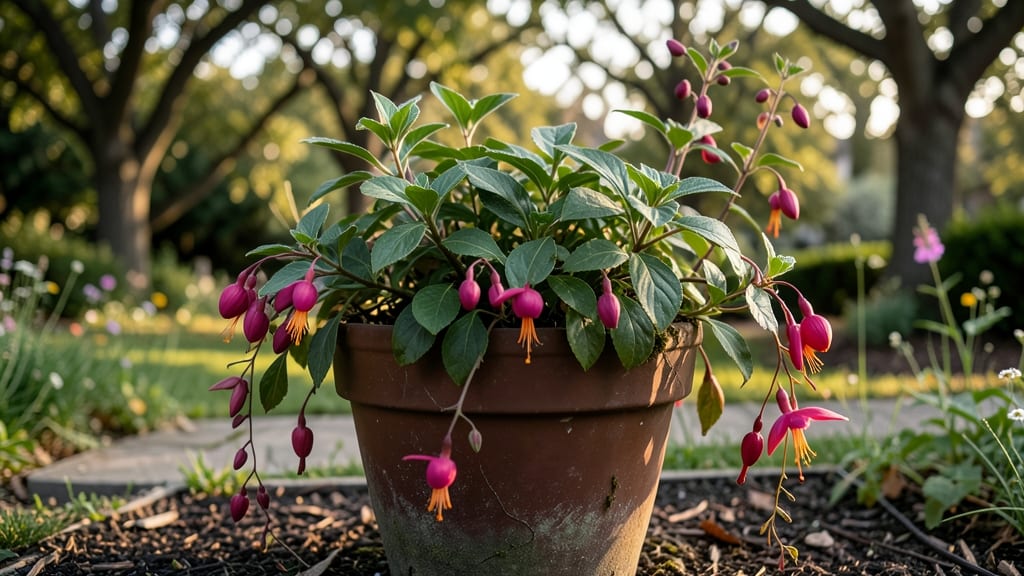
Fuchsia plants do bloom all summer with consistent care, producing vibrant flowers from early June through frost, though hardy varieties like Fuchsia magellanica and tender hybrids like Fuchsia hybrida can continue flowering into fall with proper deadheading and ideal growing conditions.
Fuchsias thrive in summer's warmth when given the right conditions—think of them as sun-worshippers that reward patience with nonstop color. 🌸 The key to their continuous blooming lies in their native habitats: many varieties originate from tropical and subtropical regions where long daylight hours and mild temperatures trigger flowering.
For instance, Fuchsia magellanica—a hardy perennial—naturally extends its season in cooler climates, while Fuchsia hybrida hybrids shine in heat-tolerant zones if protected from extreme afternoon sun.
Regular deadheading (removing spent blooms) isn't just about aesthetics; it redirects the plant's energy toward producing new flowers, which is why I always keep pruning shears handy during peak bloom months.
What often surprises gardeners is how soil quality and watering habits play a role. Fuchsias prefer well-draining, slightly acidic soil with consistent moisture—never soggy roots. I've found that mulching around the base helps retain moisture while keeping roots cool, especially in hotter regions.
Fertilizing every 4-6 weeks with a balanced, water-soluble formula (like 10-10-10) gives them the nutrients they need to keep up their vibrant displays. The trade-off? Neglect even one of these factors, and you might see fewer blooms or leggy growth instead of that lush, bushy look you're after.
💡 In This Article
- Fuchsia Varieties and Their Summer Blooming Patterns
- Deadheading and Care Tips to Extend Fuchsia Blooms
Fuchsia varieties and their summer blooming patterns
Fuchsias exhibit remarkable diversity in their blooming habits, primarily influenced by their native climates and growth habits. The hardy perennial varieties like Fuchsia magellanica (native to South America's temperate regions) thrive in cooler zones (USDA 6-9) and naturally extend their blooming season into early fall.
These plants develop woody stems and can survive winter dormancy, resuming vigorous growth—and flowering—when temperatures rise above 50°F in spring. In contrast, tender annuals such as Fuchsia hybrida (common garden hybrids) originate from tropical highlands and prefer 65-75°F daytime temperatures, making them ideal for summer displays in warmer climates.
The length of daylight plays a crucial role in triggering blooms. Most fuchsias are short-day plants, meaning they flower when daylight hours shorten—typically starting in late spring and continuing through summer.
However, Fuchsia magellanica varieties often break this pattern by producing sporadic blooms even during longer summer days, thanks to their genetic adaptation to variable daylight in their native forests.
The color intensity also shifts with temperature: cooler mornings and warm afternoons (ideal in USDA zone 8-10) produce the deepest hues, while extreme heat (>90°F) can cause buds to drop prematurely. 🌿
Gardeners in cooler climates often use microclimate manipulation to extend blooms. Planting near south-facing walls or using black plastic mulch to warm soil can create the 55-65°F root zone these plants prefer.
Meanwhile, in hotter regions, afternoon shade (via sheer curtains or lattice) prevents wilting while maintaining 6-8 hours of morning sun—the sweet spot for photosynthesis without stress. The trade-off? Overly shaded fuchsias may produce fewer blooms as they prioritize leaf growth over flowers.
One fascinating exception is Fuchsia 'Giantess', a hybrid bred for heat tolerance. This variety can continue blooming through 90°F days if kept consistently moist, demonstrating how selective breeding has pushed boundaries.
However, even heat-tolerant varieties will struggle if nighttime temperatures drop below 55°F, as this disrupts their flowering cycle. The key takeaway? Match your fuchsia variety to your climate zone and adjust care practices accordingly to maximize summer-long color.
For visual reference, here's how blooming patterns compare:
- Fuchsia magellanica: Blooms June-October (hardy perennial, cooler climates)
- Fuchsia hybrida: Blooms June-September (tender annual, warmer climates)
- Heat-tolerant hybrids: Blooms May-November (with proper care in hot zones)