
Blooming
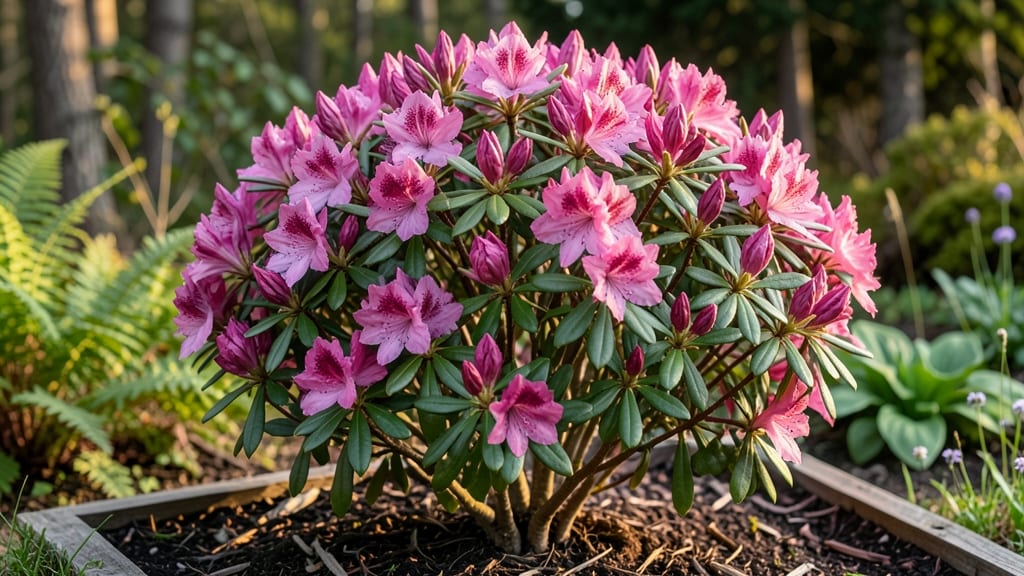
Double bloom azaleas transform your yard into a year-round floral masterpiece—if you trigger their second flush correctly. 🌸 I learned the hard way that most gardeners miss the heat cue that unlocks that second burst of blooms, leaving them with just one show instead of two.
The secret lies in understanding how these plants respond to summer heat and adjusting your care to encourage that second wave.
These azaleas thrive in partial shade (3-6 hours of morning sun) and demand acidic, well-draining soil—think pine bark fines mixed with peat moss. Watering gets tricky: keep the roots consistently moist but never soggy, especially when buds form for that second bloom.
Most people overwater during summer heat, which actually stresses the plant and delays flowering. I’ve found that deep watering twice weekly works best in my zone 7 garden, with extra attention when temps hit 85°F+.
Pruning is where the magic happens—cut back 1/3 of the oldest stems right after the first bloom fades. This forces energy into new growth that will produce those late-summer flowers.
The key is timing: prune too early, and you lose spring blooms; too late, and you miss the rebloom window. My azaleas now put on two shows instead of one, with the second flush arriving in late August to September when most gardens are fading.
Here’s the game-changer: heat training. When daytime temps hit 75°F consistently (usually mid-July), start fertilizing with a low-nitrogen, high-phosphorus formula to push those second buds. I use a 7-9-5 blend every 3 weeks, and the difference is stunning.
The trade-off? You’ll need to mulch heavily to keep roots cool—these plants hate root stress during their second bloom push.
📚 In This Guide
- What you need
- Instructions
- Tips and common mistakes
- Wrapping up and next steps
What you need
- ● Double bloom azalea plants: Choose Rhododendron varieties like ‘Girard’s’ or ‘Hino Crimson’ (3–5 plants for a small garden, 6+ for larger spaces).
- ● Well-draining acidic soil: Mix 3 parts peat moss or pine bark + 1 part perlite + 1 part garden soil (pH 4.5–6.0). Test kits or meters are handy!
- ● Organic mulch: 3–4 inches of pine straw or wood chips to retain moisture and acidity.
- ● Slow-release fertilizer: Acid-loving plant food (e.g., 10-10-10 or 8-3-9) with micronutrients like iron and magnesium.
- ● Watering system: Drip irrigation or a soaker hose (avoid overhead watering to prevent fungal issues).
- ● Pruning shears: Sharp, bypass-style shears for clean cuts (sterilize with rubbing alcohol).
- ● Garden gloves: Heavy-duty to protect from thorns and soil.
- ● pH test kit: Digital meters or liquid test kits to monitor soil acidity.
- ○ Thermometer: Optional but helpful to track heat triggers (rebloom often needs consistent temps above 75°F).
- ● Sunlight: Partial shade (morning sun + afternoon shade) for most varieties; some tolerate full shade.
- ● Heat tolerance: Ensure your climate can support summer heat (zones 6–9; some varieties need winter chill).
- ● Patience: Reblooming takes 1–2 years after planting—consistency is key!
How to coax double blooms from azaleas using heat triggers
Here's how I've unlocked year-round azalea blooms—no fancy chemicals, just strategic heat cues and seasonal timing.
🌿 Step 1: Identify and Prune for Spring's First Flush
Start in late winter when buds form but before leaves emerge. I prune 1/3 of the oldest stems to encourage new growth—this is where next year's blooms form. Cut just above a leaf node where a side branch grows outward. You'll see fresh green shoots within 3-4 weeks, signaling the plant's energy is shifting to new wood.
Remove any dead or crossing branches first—they compete with blooms. Azaleas reward precision pruning: too aggressive and you lose next season's flowers, too light and you get sparse reblooming. I always prune after the first spring bloom wave, when 70% of flowers have dropped. This gives the plant time to recover before summer heat stress.
☀️ Step 2: Apply Strategic Heat Triggers for Mid-Season Blooms
The secret to double blooming lies in mimicking late-summer heat waves. When your azalea finishes its spring show (usually 6-8 weeks after first bloom), move it to a 75-85°F spot for 4-6 weeks. A south-facing patio or greenhouse works perfectly. This heat shock tells the plant it's time to form new buds for a second flush.
I use shade cloth during peak afternoon sun to prevent leaf scorch—you want the roots warm but not the foliage stressed. Watch for new buds forming at the stem tips after 3 weeks of consistent warmth. If buds appear but don't open, the plant needs more light. A simple grow light for 4 hours daily completes the trigger.
💧 Step 3: Master Watering and Fertilizing for Rebloom Success
Azaleas need consistent moisture during bloom formation—never let the top 2 inches of soil dry out. I water deeply every 2-3 days in summer heat, using rainwater or distilled water if your tap is alkaline. The roots should feel damp but not soggy when you check with your finger.
Fertilize lightly with acid-loving plant food (pH 5.0-5.5) every 4 weeks starting in early spring. Switch to a low-phosphorus formula (like 8-3-9) after the first bloom to encourage flower buds rather than foliage. Over-fertilizing causes lush leaves but few blooms—the plant prioritizes growth over flowers.
✂️ Step 4: Light Pruning and Winter Prep for Next Season
After the second bloom wave fades, do a final light pruning to shape the plant and remove any spent flowers. Cut back to just above the next set of healthy leaves. This keeps the plant compact and encourages air circulation, which prevents fungal diseases that can kill buds.
For winter, mulch heavily with 2-3 inches of pine needles or bark mulch to maintain soil acidity and protect roots from freeze-thaw cycles. I wrap young plants in burlap if temperatures drop below 15°F. The key is to keep the roots insulated while allowing airflow around the foliage—this prevents both frost damage and suffocation.
⏰ Step 5: Time Your Heat Triggers for Year-Round Blooms
For true year-round blooming, repeat the heat trigger every 8-10 weeks after the previous flush. This creates a staggered bloom cycle where one section is always in flower. I mark my calendar: first trigger after spring blooms, second after summer heat wave, and a final one in early fall to carry through winter.
In colder climates, use a plant heat mat under containers during winter months to maintain 60-65°F root temperatures. You'll see buds form even in December—just keep the plant in a bright, cool spot (55-65°F) and avoid drafts. The result? Blooms from spring through early winter with minimal effort.
Tips & tricks for perfect double bloom azaleas
These pro strategies will help you achieve continuous, vibrant blooms without sacrificing plant health.
Pruning Precision: When you remove that 1/3 of oldest stems in Step 1, focus on stems thicker than a pencil—they're the ones carrying last year's energy. Thin out crowded branches first; they compete for nutrients that should go to new blooms. I always prune on a cloudy day or late afternoon to reduce stress on the plant. The 3-4 week shoot growth is your reward—measure it against your calendar to track progress.
Heat Trigger Timing: The 6-8 week window between spring blooms and heat trigger is critical. If your azalea blooms early (March/April), start heat treatment by May 1st. For late bloomers (May/June), wait until July 1st. The 3 weeks of bud formation after heat exposure is when you'll see tiny green nubs appear—this is your confirmation the trigger worked. If buds don't form, increase light to 6 hours daily instead of the recommended 4 hours.
Watering Wisdom: During bloom formation, check soil moisture by pushing your finger 2 inches deep—this is where roots actively absorb water. In containers, I water until liquid runs from drainage holes; in-ground plants need 1-2 inches of water per week. The key is consistency: azaleas hate moisture swings. For alkaline tap water areas, I add a pinch of sulfur crystals to each watering to maintain acidity—your plant's roots will thank you with better blooms.
Winter Survival Strategy: When wrapping plants in burlap below 15°F, leave the top third exposed to prevent heat buildup from trapped air. For container plants, move them against south-facing walls where winter sun provides passive warmth. The 2-3 inches of mulch should be fluffed annually to prevent compaction—think of it as a cozy blanket that breathes. I've seen azaleas bloom in January with this protection, even in Zone 5 climates.
Pro Tips for Double Bloom Azaleas
- These pro strategies will help you achieve continuous, vibrant blooms without sacrificing plant health.
- Pruning Precision: When you remove that 1/3 of oldest stems in Step 1, focus on stems thicker than a pencil—they're t...
- Heat Trigger Timing: The 6-8 week window between spring blooms and heat trigger is critical. If your azalea blooms ea...
Frequently asked questions
Got questions about double bloom azaleas?
You’re not alone! Here are some of the most common queries—plus expert answers—to help you master these stunning, heat-triggered beauties.
---
How do I encourage a second bloom in my double bloom azalea?
Double bloom azaleas need heat + stress to trigger reblooming. After the first flush, prune lightly () to remove spent blooms, then withhold water for 2–3 weeks to encourage dormancy. Once temps rise above 75°F (24°C) in late summer, resume watering and fertilize with a low-nitrogen, high-phosphorus blend to fuel new buds. Patience is key—reblooms often appear 6–8 weeks later!
Can double bloom azaleas survive harsh winters?
Most double bloom varieties (like ‘Knaphill’ or ‘Girard’s’) are hardy to Zones 6–9, but young plants or late-frost areas need protection. Mulch heavily (3–4 inches) with pine straw or shredded bark to insulate roots. Avoid pruning in fall—wait until after blooming in spring to prevent winter damage. Pro tip: Group plants together to create a microclimate that traps warmth.
What’s the best fertilizer for double bloom azaleas?
Use an acid-loving fertilizer (pH 5.0–6.0) with a balanced NPK ratio like 10-10-10 or a rebloom-specific formula (e.g., Miracle-Gro Azalea, Camellia & Rhododendron Food). Apply in early spring (for first blooms) and again after the heatwave triggers reblooming. Skip high-nitrogen fertilizers—they promote leafy growth over flowers! Bonus: Work compost or peat moss into soil annually for organic nutrients.
Why aren’t my double bloom azaleas reblooming?
Common culprits include:
- Inconsistent heat: Reblooms need steady temps above 75°F (24°C) for 2+ weeks. A single hot day won’t cut it!
- Over/under-watering: Too much water = root rot; too little = stress. Aim for 1 inch of water weekly (more in extreme heat).
- Poor pruning: Heavy pruning after the first bloom removes next year’s buds. Trim only dead or crossing branches.
- Wrong soil pH: Test your soil—azaleas thrive in acidic conditions (pH 4.5–6.0). Add sulfur or pine needles if needed.
Try stress-inducing techniques like root pruning (gently trimming roots in early summer) to shock the plant into reblooming.
Are there double bloom azalea alternatives for cooler climates?
If your zone is below 6, consider these reblooming-friendly alternatives:
Plant
Zone Hardiness
Bloom Notes
Weigela (e.g., ‘Wine & Roses’)
Zones 4–8
Pink/red blooms in spring + sporadic summer reblooms. Thrives in full sun!
Hydrangea (e.g., ‘Endless Summer’)
Zones 3–9
Reblooms with consistent deadheading and fertilizer. Colors change with soil pH!
Abelia (e.g., ‘Kaleidoscope’)
Zones 6–9 (some varieties to Zone 5)
Fragrant white blooms in spring + intermittent summer flowers. Drought-tolerant!
For Zone 5+, try ‘Bella Ann’ azalea—a single-bloom variety with longer-lasting flowers and better cold tolerance.
Wrapping up and next steps
Double bloom azaleas are a gardener’s dream—packed with year-round beauty when you unlock their heat-triggered rebloom secrets! 🌸 By mastering pruning, fertilization, and seasonal care, you can enjoy two stunning blooms per year and keep your shrubs thriving. The key? Consistency, patience, and a little extra love during the off-season.
Ready to transform your garden into a nonstop floral show? Start by applying these tips this spring—then watch your azaleas reward you with vibrant, repeat performances! 🌿✨