
Blooming
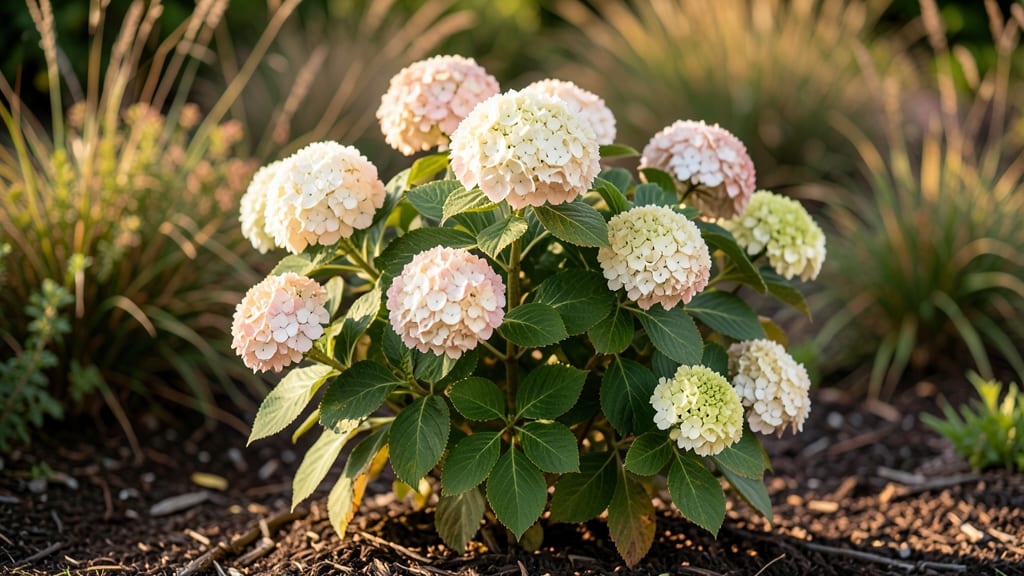
Double bloom hydrangeas promise two seasons of color—spring and fall—when pruned right. ✨ I’ve watched my Endless Summer bushes go from bare branches to lush, flower-covered canes twice a year, and it’s all about timing.
The key is understanding whether your variety blooms on old wood, new wood, or both, then pruning at the right time to avoid bud blast.
You’ll need sharp pruners, a ladder (for taller varieties), and a calendar marked with late winter and summer dates. The first cut shapes the plant and removes dead wood, while the second encourages a second flush of blooms.
Most double bloomers, like Annabelle or Limelight, are forgiving, but the timing matters—prune too late, and you’ll sacrifice next year’s flowers.
By following this calendar, you’ll end up with vibrant, full blooms from early summer through fall. The flowers stay fresh longer, the plant grows denser, and you’ll avoid the heartbreak of bud blast. It’s not rocket science, but it does require patience and a little planning.
Works for container-grown hydrangeas too—just scale the pruning tools. Here’s how to get started without overcomplicating it.
📚 In This Guide
- What you need
- Instructions
- Tips and common mistakes
- Wrapping up and next steps
What you need
- ● Double Bloom Hydrangea Plant: Choose a healthy, mature plant (preferably Hydrangea macrophylla or Hydrangea paniculata varieties like 'Endless Summer' or 'Limelight').
- ● Pruning Shears: Sharp, bypass-style shears (avoid anvil-type; they crush stems). Quantity: 1 pair.
- ● Gloves: Heavy-duty gardening gloves (to protect from thorns and sap). Quantity: 1 pair.
- ● Disinfectant: 70% isopropyl alcohol or a gardening disinfectant spray (to sterilize tools between cuts).
- ○ Pruning Sealant (optional): Tree wound dressing (for large cuts, though most hydrangeas heal fine without it).
- ● Calendar or Pruning Journal: To track bloom times and deadhead schedules. Digital or physical: Your choice!
- ● Permanent Marker: For labeling branches if you’re experimenting with staggered pruning.
- ○ String or Twine (optional):strong> To mark branches for later reference.
- ● Sunlight: Partial shade to full sun (6+ hours/day for paniculata; 4–6 hours for macrophylla).
- ● Water: Consistent moisture (1–2 inches per week; drought-stressed plants bloom poorly).
- ○ Soil pH Test Kit (optional): To adjust soil acidity (aim for pH 5.5–6.2 for blue blooms or higher pH for pink).
Step-by-Step pruning guide for double bloom hydrangeas
Here's the seasonal rhythm I use to coax two vibrant blooms from your hydrangeas—no guesswork, just precise timing.
✂️ Step 1: Late Winter Pruning (February-March)
When the ground is thawed but before buds swell, cut back last year's stems to just above the first set of 5-7 leaves from the base. This is where new growth emerges for your first bloom cycle. I always prune on a dry morning to reduce disease risk—hydrangeas are finicky about wet cuts.
Remove dead or weak stems completely at ground level. These won't produce flowers and compete with healthy growth. Use clean, sharp pruners to make cuts at a 45-degree angle—this prevents water pooling on the cut surface. For large stems, I make the cut just above a bud that faces outward to encourage an open, airy shape.
⏰ Step 2: Post-Bloom Pruning (Late Summer)
After your first flush of flowers fades (usually August-September), wait 4-6 weeks before pruning. This gives the plant time to set next year's flower buds on the current season's growth. Cut back current year's stems to just above the third or fourth leaf pair from the base.
Leave some of the old wood if it still has buds—this ensures a second bloom cycle. I always leave at least 3-4 mature stems unpruned to maintain plant vigor. Remove any spent flower clusters and overcrowded branches to improve airflow. This prevents powdery mildew, a common issue with hydrangeas.
🌿 Step 3: Light Maintenance Pruning (Spring-Fall)
Throughout the growing season, shape the plant by trimming back any overly long or leggy stems to maintain a balanced form. Pinch back new growth in early spring to encourage bushier growth and more blooms. I do this in May when the plant is actively growing but before buds form.
Remove any suckers (shoots growing from the base) immediately—they drain energy from your main plant. Deadhead faded flowers in early fall (October) to prevent seed formation, which weakens the plant. Leave a small portion of the stem attached to each flower cluster to guide new growth.
☀️ Step 4: Seasonal Adjustments for Climate Zones
In colder zones (5-6), delay winter pruning until late March to avoid frost damage to new growth. In warmer zones (7-9), you can prune January-February when growth slows naturally. I always check the 10-day forecast before pruning—no one wants to see their hydrangea buds freeze.
Adjust pruning intensity based on your sun exposure. Plants in full sun need more aggressive pruning to prevent heat stress, while shade-grown hydrangeas benefit from gentler cuts to maintain foliage density. Water deeply 24 hours before and after pruning to help the plant recover faster.
Tips & tricks for perfect double bloom hydrangeas
These precision-focused strategies will help you maximize your hydrangea's potential for two stunning bloom cycles each year.
Timing Secret: The 24-hour watering window before and after pruning is non-negotiable for recovery. I schedule my pruning for early morning sessions when temperatures are coolest—this minimizes stress on the plant. For the late winter pruning in Step 1, I actually set a reminder for 6 AM when the air is still crisp, as this gives the cuts time to callus over before afternoon heat sets in.
Cutting Technique: When making those 45-degree angle cuts in Step 1, I use a sharp pruner and make the cut just above a bud facing outward. This isn't just about aesthetics—it's about directing energy toward outward growth rather than inward. Pro tip: I mark my pruners with a piece of tape at the 45-degree angle I want to maintain, so I don't have to guess each time. The outward-facing buds create that beautiful, open canopy structure that shows off your blooms.
Seasonal Adjustment: For the 4-6 week waiting period in Step 2 before post-bloom pruning, I use a simple calendar system. I mark the date when my first flowers fade, then count forward 4 weeks and draw a big red X. This gives me a clear visual reminder of when to start watching for new bud formation. In my zone 6 garden, I've found that waiting until early September gives the plant just enough time to set next year's buds without rushing the process.
Climate Zone Hack: The difference between pruning in January (warmer zones) versus late March (colder zones) can mean the difference between thriving and struggling plants. I've created a simple chart that maps my local 10-day forecast to the recommended pruning window. For example, if we're expecting a hard freeze after my planned pruning date, I'll delay by a week. This chart has saved me from multiple seasons of frost-damaged new growth.
Pro Tips for Double Bloom Hydrangea
- These precision-focused strategies will help you maximize your hydrangea's potential for two stunning bloom cycles each year.
- Timing Secret: The 24-hour watering window before and after pruning is non-negotiable for recovery.
- Cutting Technique: When making those 45-degree angle cuts in Step 1, I use a sharp pruner and make the cut just above a bud facing outward.
Frequently asked questions
Got questions about your double bloom hydrangea?
Here are answers to the most common ones—from pruning timing to troubleshooting—so you can keep those stunning blooms coming twice a year!
When is the best time to prune double bloom hydrangeas?
Prune double bloom hydrangeas right after the first flush of flowers fades (late spring or early summer). This ensures next year’s blooms form on new wood. Avoid pruning in fall—it cuts off the buds for the second bloom! For heavy pruning (like shaping), do it in late winter or early spring before new growth starts.
Why aren’t my hydrangeas blooming twice?
Double bloomers need balanced pruning—cutting too much can remove next year’s buds. Check your variety (some need more aggressive pruning than others) and ensure they get 6+ hours of sunlight and consistent moisture. Over-fertilizing with high nitrogen can also stunt blooms—opt for a balanced bloom booster instead.
Can I prune double bloom hydrangeas in fall?
No—fall pruning is a big no-no for double bloom hydrangeas! Cutting back after Labor Day risks removing the buds for the second bloom (which forms on old wood). If you must prune, wait until late winter (Jan–Feb) for heavy shaping, but avoid heavy cuts until after the first bloom fades.
What’s the difference between pruning panicle and double bloom hydrangeas?
Panicle hydrangeas (H. paniculata) bloom on new wood, so you can prune them anytime (even in late winter). Double bloom types (like Endless Summer) need two types of buds: old wood (for the first bloom) and new wood (for the second). Prune after the first bloom to preserve both!
How do I know if I’ve pruned too much?
If your hydrangea has no blooms at all the next season, you may have pruned too aggressively. Double bloom types can handle 1/3 of the plant removed, but avoid cutting into woody stems—focus on dead or overcrowded branches first. If in doubt, take it easy and prune lightly after the first bloom!
Wrapping up and next steps
Double bloom hydrangeas are a gardener’s dream—offering two stunning floral shows in one season with the right care!
By following this pruning calendar, you’ll unlock their full potential, ensuring vibrant blooms from spring to fall. 🌸 Now’s the perfect time to grab your pruners and get growing—your garden will thank you!
🌱 Next Steps:
- Mark your calendar with seasonal pruning dates.
- Start small—prune just one bush this season to build confidence.
- Share your progress with fellow plant lovers! 📸