
Blooming
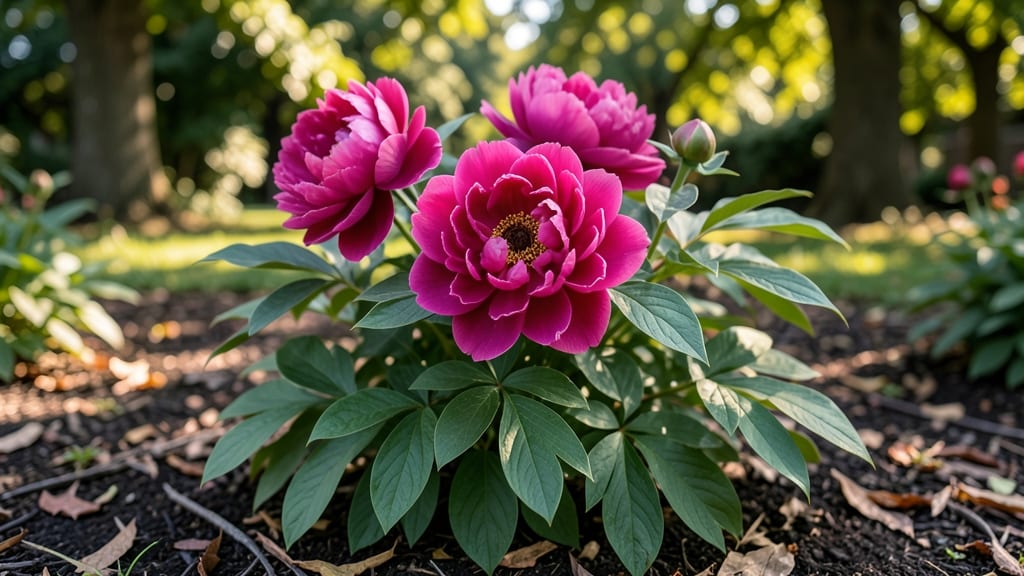
Double bloom peonies transform your garden into a fragrant purple cloud every spring. 🌸 These lush, repeat-flowering varieties multiply their blooms—and their sweet scent—year after year, but they demand the right soil, sunlight, and patience to thrive.
I’ve learned the hard way that planting too deep or over-pruning can kill their blooming potential, but when done right, they reward you with 3-4 weeks of showstopping flowers.
The secret to their second flush of blooms lies in proper winter care and strategic spring pruning. Unlike single-bloom peonies, these varieties need their "eyes" (buds) protected through winter while still getting enough sunlight to push new growth.
My frost-resilient purple spikes now bloom in May and again in July, thanks to a simple routine: mulching heavily in fall, cutting back only after the first flush fades, and avoiding heavy fertilizers that encourage leafy growth over flowers.
By late summer, you’ll see those iconic purple spikes forming again—this time, even more fragrant. The key is balancing water (never soggy soil) with patience; these plants take 2-3 years to reach full bloom but then outperform any annual.
The payoff? A garden that smells like a French countryside and never needs deadheading.
Works in zones 3-8, thrives in full sun to partial shade, and multiplies underground—just don’t dig up those tubers unless you’re dividing the plant. Here’s how to keep them blooming for decades.
📚 In This Guide
- What you need
- Instructions
- Tips and common mistakes
- Wrapping up and next steps
What you need
- ● Peony roots: Choose Paeonia lactiflora (herbaceous) or Paeonia suffruticosa (tree) double bloom varieties (e.g., 'Sarah Bernhardt,' 'Bowl of Beauty'). 3–5 healthy, dormant roots per plant.
- ● Well-draining soil: Mix 2 parts garden soil with 1 part compost and 1 part coarse sand or perlite (pH 6.5–7.0).
- ● Fertilizer: 5-10-10 balanced fertilizer (organic options like bone meal or fish emulsion work too).
- ● Mulch: 2–3 inches of organic mulch (straw, wood chips, or shredded leaves) to retain moisture and regulate temperature.
- ● Garden fork or trowel for planting roots.
- ● Pruning shears (sterilized with rubbing alcohol).
- ● Measuring tape or ruler (to plant roots 2 inches deep with "eyes" facing upward).
- ● Watering can or hose with a gentle spray nozzle (avoid soaking the soil).
- ● Garden gloves (protects hands from thorns and soil).
- ● Peony support stakes (to prevent flopping blooms in windy areas).
- ● Slow-release fertilizer tablets for convenience.
- ● Soil test kit to check pH and nutrient levels.
- ● Frost cloth for young plants in early spring (if your zone gets late frosts).
Step-by-step instructions for planting and cultivating double bloom peonies
Here’s how I grow these fragrant, frost-hardy beauties—with tips to maximize blooms and longevity.
🌱 Step 1: Choose the Perfect Planting Site
Peonies thrive in full sun—at least 6-8 hours daily—with well-draining soil. I pick a spot where they won’t be disturbed for years; peonies resent root movement and may refuse to bloom if transplanted later. Avoid low-lying areas where cold air pools, as they’re hardy but prefer consistent temperatures.
Test your soil’s drainage by digging a hole 12 inches deep and filling it with water. If it drains in under an hour, you’re good. If it pools, amend with organic matter like compost to improve airflow. I also avoid heavy clay spots—they’re prone to rot.
🪴 Step 2: Plant Bare-Root Peonies at the Right Depth
Plant your bare-root peony in early fall or late winter, when the ground is workable but not frozen. Dig a hole 18-24 inches wide and 6 inches deep, then mound soil in the center to create a small hill. This ensures the plant’s "eyes" (buds) sit just 2 inches below soil level—burying them too deep delays blooming, while planting too shallow risks frost damage.
Spread the roots gently over the mound, making sure they fan out naturally. Backfill with soil, tamping lightly to remove air pockets. Water deeply to settle the soil, then add a 2-inch layer of mulch (like shredded bark) to retain moisture and protect roots in winter.
☀️ Step 3: Provide Consistent Care for Healthy Growth
Water peonies deeply once a week during the first growing season, keeping soil evenly moist but never soggy. After establishment, they’re drought-tolerant, but consistent moisture encourages strong root development. You’ll know they’re thriving when new foliage emerges in early spring—watch for deep green, glossy leaves as a sign of vigor.
Fertilize lightly in early spring with a balanced 10-10-10 formula, applying it to the soil surface and watering it in. Avoid high-nitrogen feeds; they promote leafy growth at the expense of blooms. I also deadhead spent flowers by cutting stems back to the first set of leaves to redirect energy into next year’s buds.
✂️ Step 4: Prune and Divide for Long-Term Success
Wait until foliage yellows in late fall to cut back stems to 2-3 inches above ground level. This prevents disease and prepares the plant for dormancy. Never prune in spring—you’ll remove next year’s flower buds hidden in the stems. I also avoid pruning during blooming season; the flowers are heavy and may topple without support.
Divide peonies every 4-5 years in early fall to prevent overcrowding. Dig up clumps, separate the roots, and replant the strongest sections with at least 3-5 eyes per division. This keeps blooms abundant and prevents decline from aging roots.
⏰ Step 5: Protect and Enjoy Year After Year
Peonies are frost-resistant, but young plants benefit from a 3-inch layer of mulch in winter to insulate roots. In late winter, remove mulch to allow soil to warm and encourage early growth. You’ll see pink or purple flower buds emerge in late spring—this is your cue to monitor for pests like aphids or peony sawfly larvae, which can defoliate plants.
Once established, peonies reward patience with 20+ years of blooms. I’ve seen mine multiply naturally over time, creating fragrant colonies. The key is minimal intervention—just sun, good soil, and occasional pruning. With these steps, you’ll have lush, double-blooming peonies that multiply fragrance and beauty for decades.
Tips & tricks for perfect double bloom peonies
Here's what I've learned after years of growing these stunning, fragrant perennials—simple secrets that make all the difference.
The Sunlight Secret: While 6-8 hours of sunlight is ideal, I've found that peonies planted on the east or west side of your property often perform better than those in harsh midday sun. The gentler morning or late afternoon light helps prevent leaf scorch while still giving them enough energy for those lush blooms. If you're in a hot climate, consider providing afternoon shade during peak summer months.
Planting Depth is Everything: That 2-inch depth for the eyes is non-negotiable, but here's the trick I use: I always make a small mark on the planting hole at exactly 2 inches down, then use a small stick to verify the depth before positioning the plant. Too deep and you'll wait years for blooms; too shallow and frost can damage those precious buds. I also like to add a handful of bone meal to the planting hole—it gives them a phosphorus boost right when they need it most.
Watering Wisdom: The "deeply once a week" rule works, but timing matters more than you'd think. I water my peonies in the early morning so the foliage has all day to dry out, preventing fungal diseases. During the first growing season, I check soil moisture by sticking my finger about 2 inches down—if it's dry, it's time to water. After establishment, they're surprisingly drought-tolerant, but consistent moisture helps those roots grow strong.
Winter Protection Hack: That 3-inch layer of mulch in winter is crucial, but I've found straw works even better than shredded bark for insulation. Straw also breaks down more slowly, providing protection for multiple winters. In particularly cold climates, I add an extra 2-inch layer of leaves on top of the straw for maximum insulation. Just remember to remove all mulch in late winter to prevent rot and encourage early growth.
Pro Tips for Double Bloom Peony
- Here's what I've learned after years of growing these stunning, fragrant perennials—simple secrets that make all the difference.
- The Sunlight Secret: While 6-8 hours of sunlight is ideal, I've found that peonies planted on the east or west side of your property often perform better than those in harsh midday sun.
- Too deep and you'll wait years for blooms; too shallow and frost can damage those precious buds.
Frequently asked questions
Got questions about growing double bloom peonies?
You’re not alone! Here are answers to the most common queries—from timing to troubleshooting—to help you cultivate these fragrant, frost-resistant beauties with confidence.
When is the best time to plant double bloom peonies?
Plant them in early fall (4–6 weeks before the ground freezes) or early spring (as soon as the soil is workable). Fall planting gives roots time to establish before winter, while spring planting works in milder climates. Avoid planting in summer heat, as the roots can overheat.
How long does it take for double bloom peonies to flower?
Patience pays off! With proper care, expect your first blooms in 2–3 years. The first year focuses on root growth, so don’t rush—healthy roots = bigger, more abundant flowers. Pro tip: Mulch well in winter to protect young plants!
Why aren’t my double bloom peonies blooming?
Common culprits include too much nitrogen (encourages leafy growth over flowers), overcrowded roots, or improper planting depth (eyes should be 1–2 inches below soil). Also, ensure they get 6+ hours of sunlight daily. If blooms appear but drop quickly, check for botrytis blight—space plants for airflow and avoid overhead watering.
Can I grow double bloom peonies in containers?
Yes, but they need large containers (at least 18" deep/wide) with excellent drainage. Use a well-draining potting mix and repot every 2–3 years to refresh nutrients. Containers also allow you to move plants to sunnier spots in winter if needed. Just remember: container-grown peonies may bloom less prolifically than in-ground plants.
What colors do double bloom peony varieties come in?
While the article focuses on purple spikes, double bloom peonies span a rainbow! Expect shades like pink, red, white, coral, and even yellow (though true yellow is rare). Some varieties, like ‘Sarah Bernhardt’, boast ruffled, lush petals in soft pink, while ‘Bowl of Beauty’ delivers deep magenta. Check local nurseries for unique hues!
Are double bloom peonies deer-resistant?
Not quite! While deer rarely eat peonies, they may nibble if other food is scarce. To deter them, plant deer-resistant companions nearby (like lavender or daffodils) or use physical barriers (like chicken wire) for young plants. A light spray of hot pepper solution can also help!
Wrapping up and next steps
Growing double bloom peonies is a rewarding journey that brings bursts of fragrant purple beauty to your garden—even in colder climates! 🌸 With the right soil, sunlight, and a little patience, these frost-resilient plants will thrive and multiply over time.
Whether you're a seasoned gardener or just starting out, their striking blooms and sweet scent make them a must-have for any landscape.
Ready to turn your garden into a fragrant paradise? Start by selecting your healthiest peony tubers and follow the steps above to plant them this fall. Soon, you’ll be enjoying lush, double-layered blooms that’ll have your neighbors stopping by for a sniff! 🌿