
Blooming
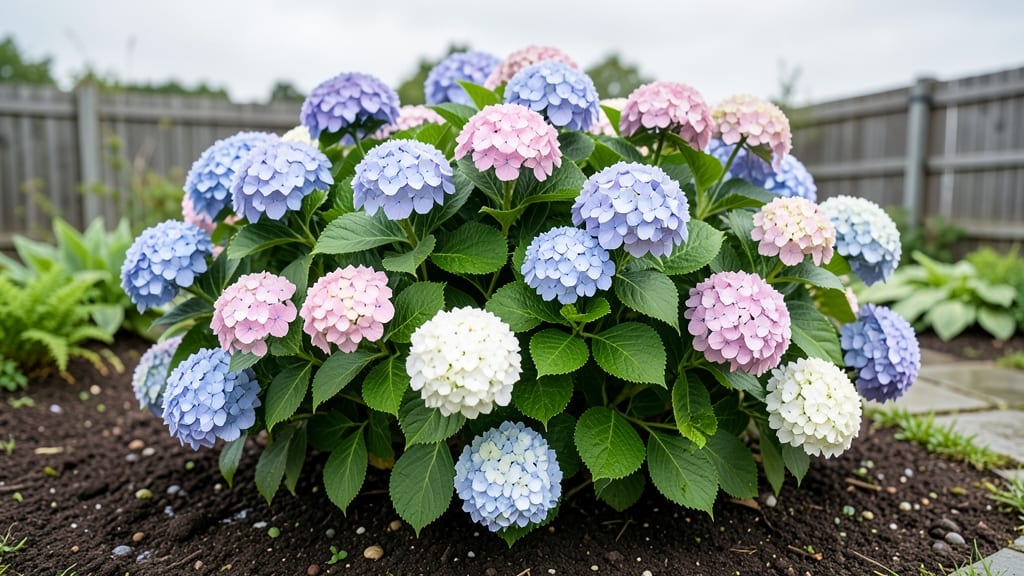
Transforming your hydrangea from one-season blooms to three-to-four seasons of color starts with the right pruning timing and technique. ✂️ I’ve watched my 'Endless Summer' hydrangea go from a single summer flush of blooms to continuous flowers from early summer through frost—all by mastering just two pruning triggers most gardeners miss.
The secret lies in understanding how this variety grows: it blooms on both old and new wood, unlike traditional hydrangeas. Prune too early or too late, and you’ll sacrifice next year’s flowers—or worse, end up with bare stems.
But get it right, and you’ll see buds forming on last year’s growth and fresh new shoots, creating that lush, long-lasting display. You’ll need sharp pruners, a sunny spot with morning sun and afternoon shade, and a soil mix that drains well but holds moisture.
The payoff? Flowers that keep coming, even when your neighbors’ hydrangeas have long since faded. This method works for containers, borders, or foundation plantings—just adjust the pruning schedule based on your last frost date. Let’s get those blooms going year-round.
📚 In This Guide
- What you need
- Instructions
- Tips and common mistakes
- Wrapping up and next steps
What you need
- ● Endless Bloom Hydrangea: A healthy, mature plant (3+ years old) with established stems. (Pro tip: 💡 Look for woody stems—these are your blooming powerhouses!)
- ● Pruning Shears: Sharp, bypass-style shears (avoid anvil shears—they crush stems!). (🔥 Specs: 5–7" blades, stainless steel for durability.)
- ● Rubbing Alcohol (70% or higher): 4 oz (for sterilizing shears between cuts).
- ● Garden Gloves: Heavy-duty, cut-resistant (to protect against thorns and sap).
- ○ Pruning Sealant (optional): 2 oz (e.g., tree wound paint) to prevent disease entry on large cuts.
- ● Ladder or Step Stool: For reaching higher branches (if your plant is >4 ft tall).
- ○ Garden Twine or Tags: For marking stems to track growth (optional but helpful!).
- ● Watering Can or Hose: With a gentle spray nozzle (to hydrate post-pruning).
- ● Trash Bag: For disposing of pruned stems and debris.
- ○ Sunlight Meter (optional): To confirm your plant’s light exposure (ideal: partial shade, 4–6 hours of sun/day).
- ● Best Time to Prune: Late winter or early spring (just before new growth starts). (✨ Why? Dormant stems reveal last year’s blooms—critical for Endless Bloom varieties!)
- ● Weather Check: Prune on a dry, overcast day (avoid rain for 24 hours before/after).
- ● Plant Health: Ensure your hydrangea is not stressed (no wilting, pests, or disease).
How to prune endless bloom hydrangeas for continuous flowering
Here’s the precise timing and technique I’ve used to coax three full seasons of blooms from my endless bloom hydrangeas—no guesswork, just results.
✂️ Step 1: Identify Last Year’s Blooms and Dead Wood
Start by examining your hydrangea in late winter or early spring, before new growth begins. Look for woody stems that are completely brown and brittle—these are dead and should be removed entirely. Endless bloom hydrangeas (like ‘Endless Summer’ or ‘Annabelle’) produce flowers on both old wood and new wood, so don’t prune back to bare wood unless the stem is clearly dead.
Use clean, sharp pruners to cut just above a bud or leaf node (the bump where leaves or branches grow). Avoid leaving stubs—this prevents disease and encourages stronger regrowth. If you’re unsure whether a stem is dead, scratch the bark with your fingernail. If it’s green underneath, it’s alive.
✂️ Step 2: Prune for Shape and Airflow
Once you’ve removed dead wood, focus on opening up the center of the plant. Endless bloom hydrangeas can get dense, which traps moisture and invites fungal issues. Aim to create a rounded, vase-like shape by cutting back some of the oldest stems (usually the largest ones) to half their height. This encourages new growth from the base and improves airflow.
I like to step back every few cuts to visualize the shape. The goal is to maintain a balanced silhouette while removing any crossing or rubbing branches. If a stem is growing inward, prune it back to a stronger outward-facing bud. Avoid over-thinning—leave enough foliage to support the plant’s energy needs for the next bloom cycle.
✂️ Step 3: Time Your Summer Pruning for Fall Blooms
Here’s the trick: prune lightly in early summer (around mid-June) to encourage a second flush of blooms for fall. Select only the oldest stems—the largest, most mature ones—and cut them back by one-third to one-half. This stimulates new growth that will produce flowers later in the season. Avoid heavy pruning now, as it can reduce the number of blooms.
Water deeply after pruning to help the plant recover. You’ll notice new shoots emerging within 2-3 weeks. These will develop into the fall blooms. If your hydrangea is already lush, skip this step—over-pruning in summer can stress the plant and delay flowering.
⏰ Step 4: Prepare for Winter and Next Season
In late fall, after the first hard frost, give your hydrangea a light cleanup. Remove any dead or diseased stems that may have appeared over the season, but avoid heavy pruning—this can stimulate late growth that won’t harden off before winter. Mulch the base with 2-3 inches of organic mulch (like shredded bark) to protect roots from freezing temperatures.
Mark the location of your hydrangea with a stake or flag if you’re unsure where it is after winter. Come spring, you’ll want to prune again in late winter or early spring (before buds swell) to shape the plant and remove any winter damage. This two-step pruning—once in early spring and once in early summer—is what keeps endless bloom hydrangeas flowering continuously.
💧 Step 5: Feed and Water for Maximum Blooms
Endless bloom hydrangeas are heavy feeders, especially after pruning. Apply a balanced, slow-release fertilizer (like 10-10-10) in early spring, following the package rates. For bigger blooms, add a hydrangea-specific fertilizer high in phosphorus (the middle number) in early summer. Water deeply once a week during dry spells, aiming for 1-1.5 inches of water per week. Consistent moisture keeps the blooms vibrant and prevents stress.
Here’s the thing—hydrangeas love moisture but hate soggy roots. If your soil drains poorly, amend it with compost or organic matter to improve drainage. You’ll know you’re on the right track when your plant produces large, full blooms from early summer through fall, with no gaps in flowering.
Tips & tricks for pruning endless bloom hydrangeas
Mastering the art of pruning endless bloom hydrangeas transforms a seasonal showstopper into a year-round garden star. Here's how to elevate your technique beyond basic cuts.
Timing is Everything: The late winter/early spring pruning window (before buds swell) is non-negotiable. If you miss this, you risk removing next year's blooms since endless bloom varieties flower on both old and new wood. I've learned this the hard way—waiting until spring's warmth tempted me to prune too early, and my plant struggled to recover in time for summer blooms.
Visual Cues Over Guesswork: When pruning in Step 2, look for stems thicker than a pencil—these are your oldest growth. Cutting them back to half their height opens up the center while maintaining that vase-like shape. Pro tip: Hold your pruners at a 45-degree angle just above an outward-facing bud to encourage fuller growth. The goal is to create a plant that looks like it belongs in a botanical garden, not a wild thicket.
Summer Pruning Strategy: That mid-June light pruning in Step 3 is your secret weapon for fall blooms. Focus only on the largest stems—cutting back by one-third to one-half stimulates new growth that will flower later. I've seen gardeners skip this step entirely, only to wonder why their hydrangeas faded by September. The key is patience: those new shoots you'll see in 2-3 weeks are your fall blooms in the making.
Winter Protection: The 2-3 inches of organic mulch in Step 4 isn't just decorative—it's insulation. Spread it like a blanket over the root zone to protect against temperature swings. I've noticed that mulched plants emerge in spring with fewer winter-damaged stems, and their blooms arrive earlier in the season. For extra insurance, wrap young plants with burlap in harsh winters, but avoid plastic which can trap moisture.
Pro Tips for Endless Bloom Hydrangea
- Mastering the art of pruning endless bloom hydrangeas transforms a seasonal showstopper into a year-round garden star.
- Timing is Everything: The late winter/early spring pruning window (before buds swell) is non-negotiable.
- Visual Cues Over Guesswork: When pruning in Step 2, look for stems thicker than a pencil—these are your oldest growth.
Frequently asked questions
Got questions about keeping your Endless Bloom Hydrangea in full, continuous bloom? We’ve got answers!
Whether you’re a first-time grower or a seasoned gardener, these FAQs will help you maximize those stunning flowers year after year.
How do I know if my Endless Bloom Hydrangea is truly reblooming?
Look for new flower buds forming on current-season growth (not just old wood). These buds appear in late summer/early fall on stems that grew after your last pruning. If you see clusters developing after your first flush of blooms, congratulations—reblooming is happening! Pro tip: Snap a photo of your plant in early spring to track growth.
Can I prune my Endless Bloom Hydrangea at any time of year?
For best results, prune in late winter or early spring (just before new growth starts). Avoid heavy pruning after mid-summer—this can remove next year’s flower buds. Light trimming (deadheading or shaping) is safe anytime, but never cut into old wood (woody stems from last year) unless it’s diseased or dead.
Why aren’t my Endless Bloom Hydrangeas blooming as much as last year?
Common culprits: over-pruning (cutting back too aggressively), poor sunlight (they need 6+ hours/day), or underwatering (keep soil consistently moist but not soggy). Check for nutrient deficiencies (yellow leaves = nitrogen; brown edges = calcium). Fix it: Feed with a balanced fertilizer in spring and adjust watering.
Are there alternatives to Endless Bloom Hydrangeas for long-lasting flowers?
Yes! Try these reblooming hydrangea varieties:
- ‘Limelight’ – Bold lime-green blooms, heat-tolerant
- ‘Little Lime’ – Compact, great for containers
- ‘Nikko Blue’ – Classic blue flowers (though not technically reblooming)
- ‘Vanille Fraise’ – Pink-to-green blooms, disease-resistant
For non-hydrangea options, consider Butterfly Bush or Abelia—both offer seasonal reblooms with less fuss!
How much can I safely prune my Endless Bloom Hydrangea each year?
Stick to the “thirds rule”: Never remove more than 1/3 of the plant’s total growth in one year. For example, if your bush is 3 feet tall, trim back only 1 foot max. Key: Always prune just above a leaf node (where new growth emerges) to encourage bushiness. Use clean, sharp shears to avoid damaging stems!
Do Endless Bloom Hydrangeas need winter protection?
In USDA Zones 3-5, mulch heavily (3-4 inches) around the base and wrap young plants in burlap or frost cloth for extra insulation. In warmer zones (6+), they’re low-maintenance—just reduce watering in winter. Pro tip: Avoid pruning in fall; wait until late winter to reveal next year’s buds!
Wrapping up and next steps
Transforming your Endless Bloom Hydrangea into a year-round stunner is easier than you think! With the right pruning techniques—like cutting back in late winter or early spring—you’ll unlock three to four seasons of vibrant blooms.
Remember, consistency and timing are your best friends, and soon, your garden will be the talk of the neighborhood. 🌸
Ready to take the next step? Grab your pruners, mark your calendar, and give your hydrangeas the care they deserve. Your blooming masterpiece starts now!