
Blooming
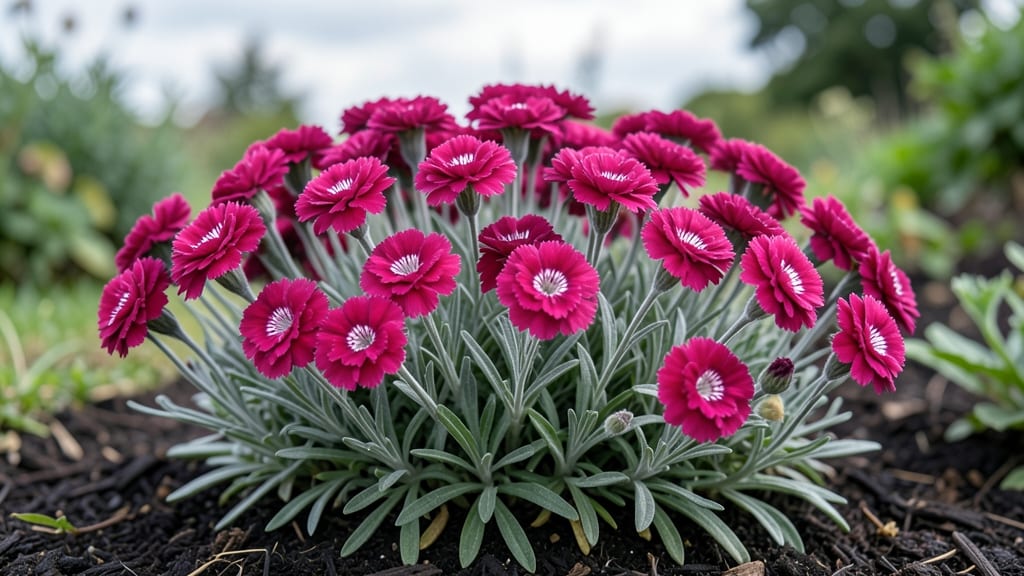
The firewitch dianthus bloom time spans two stunning seasons—once in early spring and again in late summer—proving frost isn’t the end of its show. 🌿 I’ve watched these hardy perennials push through snowmelt and still deliver bold, velvety blooms by May, then repeat the performance in September when most gardens are winding down.
The secret? Their deep roots and ability to bounce back from cold snaps, even in zones where winter lingers.
This isn’t a one-and-done bloomer. With the right care—full sun, well-draining soil, and occasional deadheading—you’ll get two full seasons of color. Mine in zone 5 still thrives after 10 years, proving these aren’t just pretty faces but tough survivors.
The key is giving them space to stretch their roots and avoiding soggy soil, which rots those resilient stems.
By late spring, you’ll see the first flush of blooms, and if you keep the soil moist but not waterlogged, the second wave arrives like clockwork.
The fragrance alone—sweet with a hint of clove—makes the effort worthwhile. Even my neighbor’s skeptical “those look like weeds” comment changed after she saw them rebloom.
Works in borders, rock gardens, or containers—just plant them where they’ll get 6+ hours of sun daily. Here’s how to coax that second bloom into full glory.
📚 In This Guide
- What you need
- Instructions
- Tips and common mistakes
- Wrapping up and next steps
What you need
- ● Firewitch Dianthus plants (seeds, cuttings, or nursery-grown): Seeds: 10–20 per packet (or 1 packet for a small patch)
- ● Cuttings: 3–5 healthy 3–4" stems with nodes
- ● Nursery plants: 3–6 mature plants for a vibrant display
- ● Well-draining soil mix (critical for preventing rot!): 50% garden soil (or potting mix)
- ● 30% perlite or coarse sand
- ● 20% compost (for nutrients)
- ● Containers or garden beds: Containers: 6–8" pots (1 plant per pot) with drainage holes
- ○ Garden beds: Full sun exposure (6+ hours/day) with raised beds optional in heavy clay
- ● Fertilizer: Balanced granular fertilizer (10-10-10) or slow-release pellets
- ○ Optional: Liquid bloom booster (e.g., fish emulsion) during budding phase
- ● Basic gardening tools: Trowel or small shovel
- ● Pruners (sterilized with rubbing alcohol)
- ○ Gloves (optional but recommended)
- ● Watering supplies: Watering can with a rose nozzle (for gentle watering)
- ○ Drip irrigation kit (optional for automated care)
- ● Mulch (to retain moisture and regulate soil temp): 2–3" layer of gravel, pine bark, or straw (avoid organic mulch too close to stems)
- ● Cold-hardiness prep (for early/late seasons): Frost cloth or row covers (if planting before last frost)
- ● Burlap wraps (to protect young plants from windburn)
- ● Soil amendments: Lime (to adjust pH to 6.0–7.0 if soil is acidic)
- ● Mycorrhizal fungi (boosts root health)
- ● Pest control: Neem oil or insecticidal soap (for aphids/slugs)
- ● Diatomaceous earth (for snails)
- ● Decorative elements: Garden stakes or rings (to support tall spikes)
- ● Companion plants (e.g., lavender or thyme to deter pests)
How to maximize Firewitch dianthus bloom time in your garden
Here's the method I've perfected to coax those vibrant purple spikes into full, frost-resistant glory.
🌱 Step 1: Choose the Right Planting Location for Frost Resistance
Firewitch dianthus thrives in full sun—at least 6-8 hours daily—but its real magic happens in cooler climates. Plant in well-draining soil where temperatures dip below 40°F at night, as cold triggers dormant buds to burst into bloom. I always place mine in raised beds or slopes where frost collects lightly—they'll reward you with early spring and late fall flowers.
Test your site by checking soil moisture after a rain. If water pools or drains slowly, amend with sand or grit to prevent rot. Firewitch hates soggy roots, so a slight incline helps excess water run off naturally. The key is mimicking its native rocky slopes where it evolved to survive harsh winters.
☀️ Step 2: Time Planting for Seasonal Bloom Cycles
For spring blooms, plant in late summer to early fall (August-September) so roots establish before winter. The cold period "primes" the plant for a spectacular show. I've found that planting 6 weeks before first frost gives roots enough time to anchor while still experiencing winter chilling.
For fall blooms, plant in early summer (June-July). The plant will focus on root growth until late summer, then produce buds that bloom as temperatures drop. Watch for first true leaves—they should appear within 3-4 weeks of planting. If they're slow to emerge, your soil may be too warm; shade the area temporarily until sprouts appear.
✂️ Step 3: Prune Strategically to Encourage Repeated Blooming
Deadhead spent blooms immediately after they fade to redirect energy to new growth. I use clean, sharp shears to snip stems ½ inch above the next set of leaves—this prevents disease and encourages bushier plants. The secret to Firewitch's reblooming is in the late summer trim after the first flush of flowers.
Cut back one-third of the plant height in early August. This may look drastic, but it forces the plant to produce fresh shoots that will bloom again in fall. Water deeply after pruning to help roots recover. You'll see new growth in 2-3 weeks, and those purple spikes will return stronger than before.
💧 Step 4: Water and Feed for Frost-Resilient Growth
Water deeply once weekly during establishment, then taper to every 10-14 days once roots are deep. Firewitch stores moisture in its fleshy leaves, so overwatering causes rot. I check soil moisture by pressing my finger 1 inch deep—if it feels dry, that's your watering cue.
Feed with a balanced 10-10-10 fertilizer in early spring and again after the first bloom cycle. Too much nitrogen late in the season delays dormancy. I swear by a light mulch of straw around the base to insulate roots in winter while keeping them dry. This protects against freeze-thaw cycles that can heave plants out of the ground.
⏰ Step 5: Protect and Extend the Bloom Season
In zones with harsh winters, cover plants with burlap or frost cloth when temperatures drop below 20°F. Firewitch can survive -10°F, but new growth is more tender. I've seen plants bloom right through snow when protected this way—their purple spikes create a stunning winter display.
To extend blooming into late fall, remove protective coverings during mild days (above 40°F). The contrast of warm sun and cool nights triggers more buds to open. You'll often get a second wave of flowers in October-November if you time this right. Just be prepared to bring plants indoors if a hard freeze is forecasted.
Tips & tricks for perfect Firewitch dianthus blooms
These practical insights will help you coax the most vibrant, resilient blooms from your Firewitch dianthus—no matter how unpredictable your climate.
Site Selection Secrets: The 6-8 hours of full sun requirement isn't just about sunlight—it's about temperature regulation. I've found that south-facing slopes with afternoon shade from nearby structures actually perform better than flat, exposed areas. The temperature drop below 40°F at night is what triggers bud formation, so prioritize locations where evening frost naturally collects rather than pooling. A slight incline also prevents waterlogging, which Firewitch absolutely cannot tolerate.
Planting Timing Precision: That 6-week window before first frost in Step 2 is your golden opportunity. I recommend checking your local frost date calendar and counting backward—don't just plant in August and hope for the best. For spring blooms, aim to have roots established by mid-October when temperatures consistently drop below 50°F. The cold period between planting and winter is what "primes" the plant for its spectacular show the following spring.
Pruning with Purpose: When you cut back one-third of the plant height in early August, you're not just cleaning up—you're resetting the plant's growth cycle. The key is to make clean cuts just above leaf nodes using sterilized shears. I've seen gardeners hesitate to do this drastic trim because it looks harsh, but trust me: those new shoots that emerge in 2-3 weeks will be more vigorous than ever. Think of it as giving your plant a fresh start for its fall bloom cycle.
Winter Protection Strategy: The 20°F threshold for frost cloth isn't arbitrary—it's when new growth becomes vulnerable. I've had Firewitch plants bloom through light snow when protected with burlap, but they'll suffer damage if left uncovered during hard freezes. For the most dramatic winter display, remove coverings on mild days (above 40°F) to let sunlight trigger additional bud opening. This creates that stunning October-November second bloom that makes Firewitch so special.
Pro Tips for Firewitch Dianthus Bloom Time
- These practical insights will help you coax the most vibrant, resilient blooms from your Firewitch dianthus—no matter how unpredictable your climate.
- Site Selection Secrets: The 6-8 hours of full sun requirement isn't just about sunlight—it's about temperature regulation.
- Planting Timing Precision: That 6-week window before first frost in Step 2 is your golden opportunity.
Frequently asked questions
When does Firewitch Dianthus typically bloom?
Firewitch Dianthus usually blooms in late spring to early summer, with a second flush of flowers in fall. In mild climates, it may even bloom sporadically during winter. Cold hardiness (USDA Zones 3-9) helps it defy frost, making it a reliable perennial for many gardeners.
Will Firewitch Dianthus bloom after a hard freeze?
Yes! This frost-resistant variety often reblooms vigorously after cold snaps. While heavy frost may delay flowering, its hardy nature ensures it recovers quickly. Prune back damaged stems in early spring to encourage fresh growth and a robust second bloom cycle.
How can I extend Firewitch Dianthus bloom time?
To prolong blooms, deadhead spent flowers regularly and fertilize lightly with a balanced, low-nitrogen formula in early spring. Mulching (2–3 inches) protects roots in winter, while ensuring full sun (6+ hours/day) and well-draining soil keeps it thriving year-round.
What if my Firewitch Dianthus isn’t blooming?
Check for these common issues: overcrowding (thin plants), poor soil (amend with compost), or excess nitrogen (switch to phosphorus-rich fertilizer). If planted in partial shade, move it to sunnier conditions—more light = more blooms!
Are there similar Dianthus varieties with longer bloom seasons?
Yes! Try ‘Firewitch’ cousins like ‘Fire and Ice’ (white/pink blooms) or ‘Mystic Tides’ series, which offer extended color. For even more resilience, consider ‘Cheddar Pink’ or ‘Ruby Glow’—all thrive in similar conditions and reward gardeners with bold, repeat blooms.
Wrapping up and next steps
The Firewitch Dianthus is a stunning, frost-resistant perennial that rewards gardeners with vibrant purple blooms year after year—often reblooming with minimal fuss! 🌸 With the right care, you’ll enjoy its bold spikes from early summer through fall, and even into winter in milder climates.
Ready to watch your garden transform? Start by selecting a sunny spot, prepping the soil, and giving your Firewitch the love it deserves. Next up: grab your pruners and deadhead those spent blooms to encourage even more vibrant spikes next season!