
Blooming
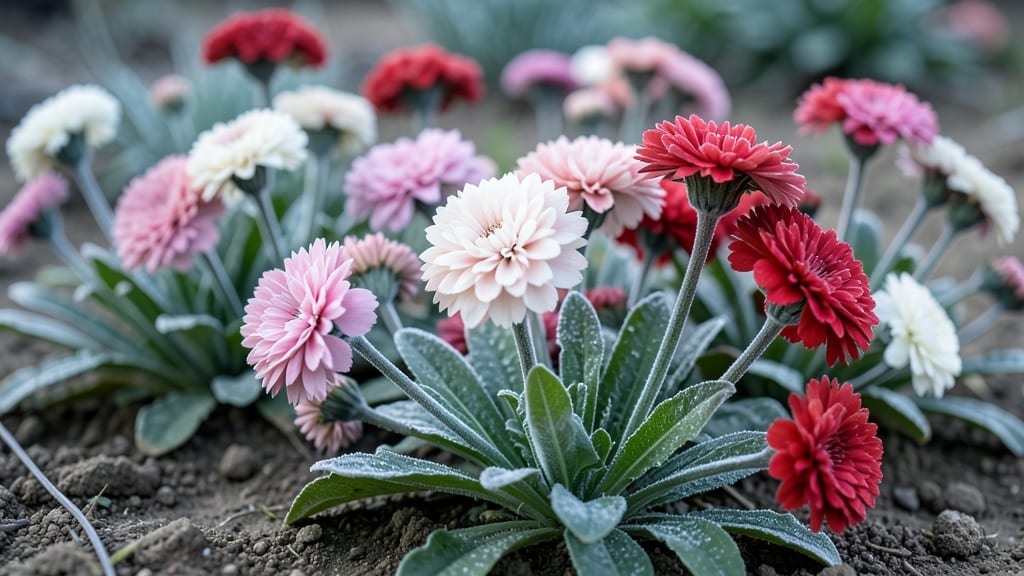
Winter gardens don’t have to be dormant—these hardy flower varieties thrive in cold weather, offering vibrant blooms and resilience against frost. Discover how to cultivate winter flowers that surprise with color and return stronger each season.
Snowdrops Thriving in Early Winter
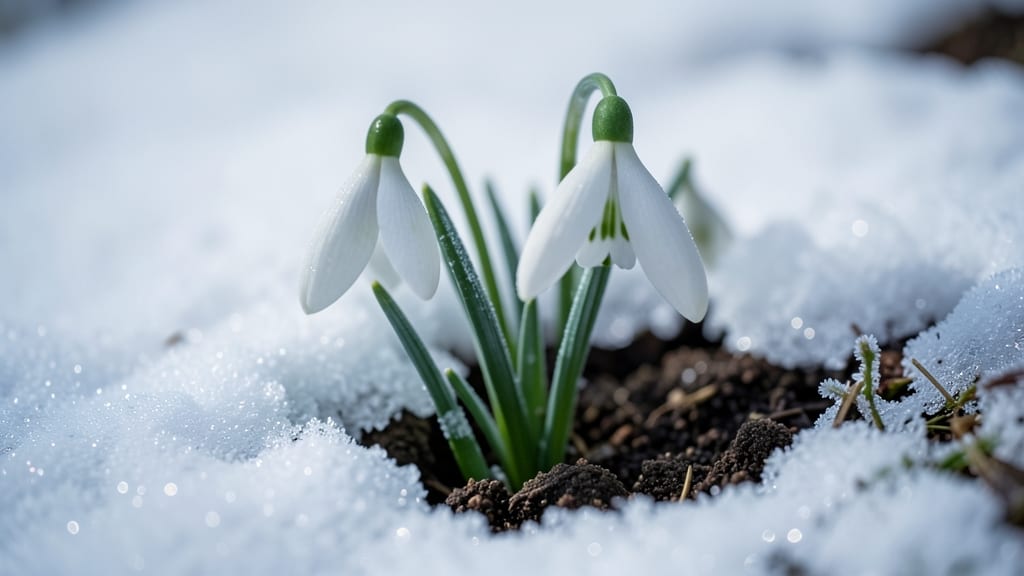
When winter seems endless, snowdrops (Galanthus) burst through frost and snow like nature’s first promise of spring. These delicate, bell-shaped flowers—often white with subtle green stripes—thrive in USDA zones 3-9, making them one of the most resilient winter bloomers.
Plant snowdrops in partial to full shade under trees or shrubs, where they’ll naturalize over time. Their low-maintenance nature means they’re perfect for beginners: just ensure well-draining soil and minimal watering once established. The flowers even emerge before leaves appear, creating a stunning contrast against bare branches.
Ideal for woodland gardens or shaded borders, snowdrops reward patience with year-round foliage and early blooms that brighten even the darkest winter days. 🌱
Winter Jasmine Climbing Trellis Beauty
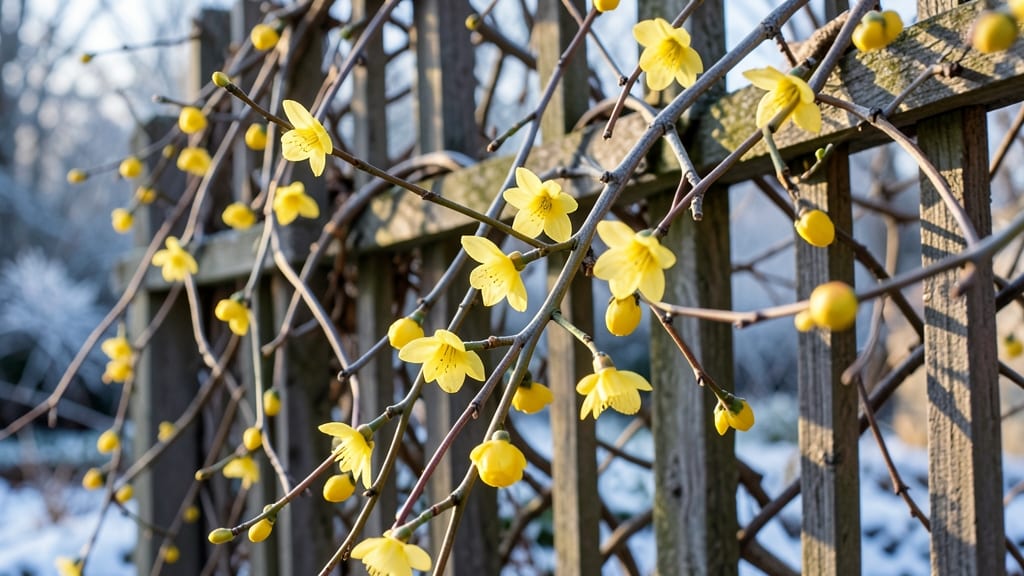
Tired of bare branches in winter? Winter jasmine (Jasminum nudiflorum) transforms your garden with its fast-growing vines and cheerful bright yellow blooms that appear on leafless stems—often before spring arrives.
This frost-resistant climber thrives in full sun to partial shade and grows up trellises, arbors, or fences at a rate of 3-5 feet per season. Prune back after flowering to encourage bushier growth, and enjoy blooms from late winter to early spring. It’s ideal for urban gardens where space is limited but vertical interest is desired.
Perfect for beginners or busy gardeners, winter jasmine requires minimal care and delivers maximum winter cheer. 🌻
Hellebores Blooming Under Snow
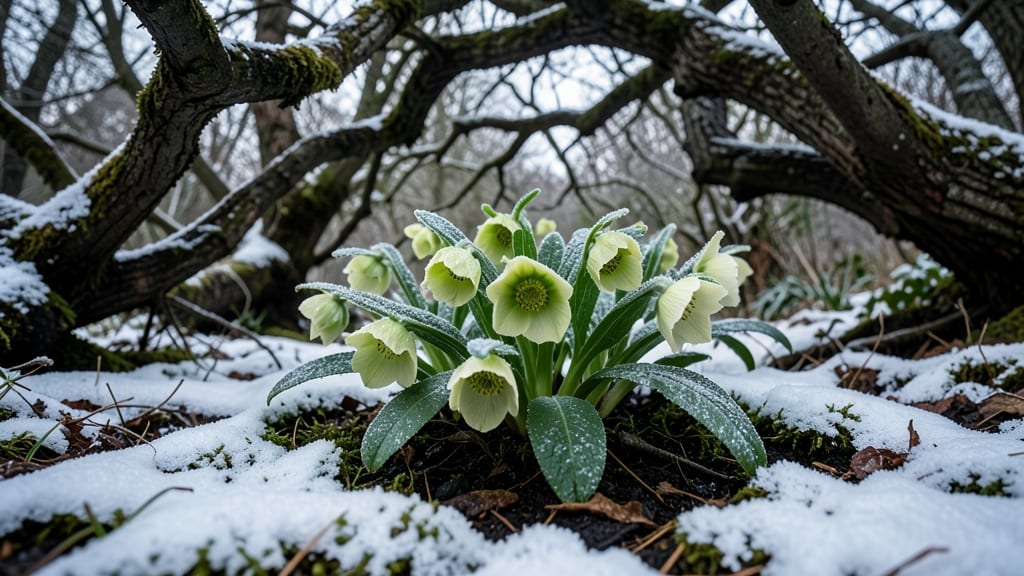
When your garden looks like a winter wonderland, helleborus (or Lenten roses) will surprise you with their bell-shaped blooms peeking through the snow. Unlike other winter flowers, these hardy perennials thrive in shaded spots where most plants struggle, making them perfect for woodland gardens or under trees.
Plant helleborus in well-draining soil with morning sun and afternoon shade—they’ll reward you with flowers from late winter through early spring. Deadhead spent blooms to encourage more flowers, and avoid overwatering, as soggy soil can cause rot. Their evergreen foliage adds texture even when not in bloom.
Ideal for gardeners with shady spots or those who want low-maintenance winter color, hellebores multiply over time, creating a stunning naturalized display. 🌷
Pansies Brightening Cold Beds
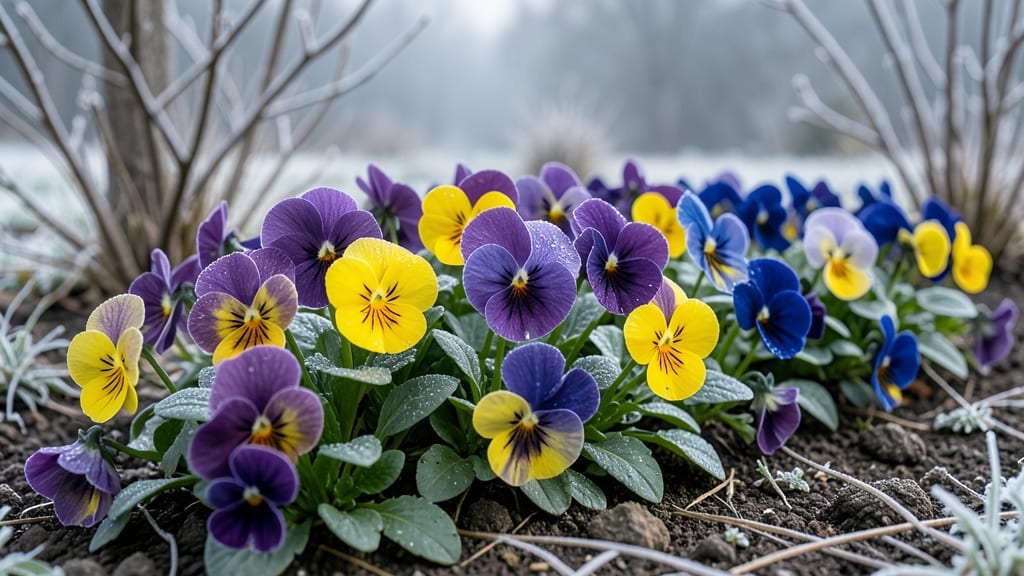
When winter’s chill turns other gardens into monochrome landscapes, pansies (Viola) stand out like tiny, frost-resistant cheerleaders. These hardy annuals not only survive light frost but actually bloom brighter in cooler temperatures, offering purple, yellow, and blue faces that defy seasonal gloom.
Plant them in well-drained soil with 4-6 hours of sun daily, and they’ll reward you with blooms from late fall through spring. Use them to edge borders, fill containers, or create a "living carpet" in cold-season beds—their compact size (6-12 inches tall) makes them ideal for small spaces. For extra protection, apply a light layer of mulch to shield roots from temperature swings.
Perfect for beginners or urban gardeners with limited space, pansies prove that winter gardens can be just as lively as summer ones. 🌟
Crocuses Pushing Through Frosted Soil
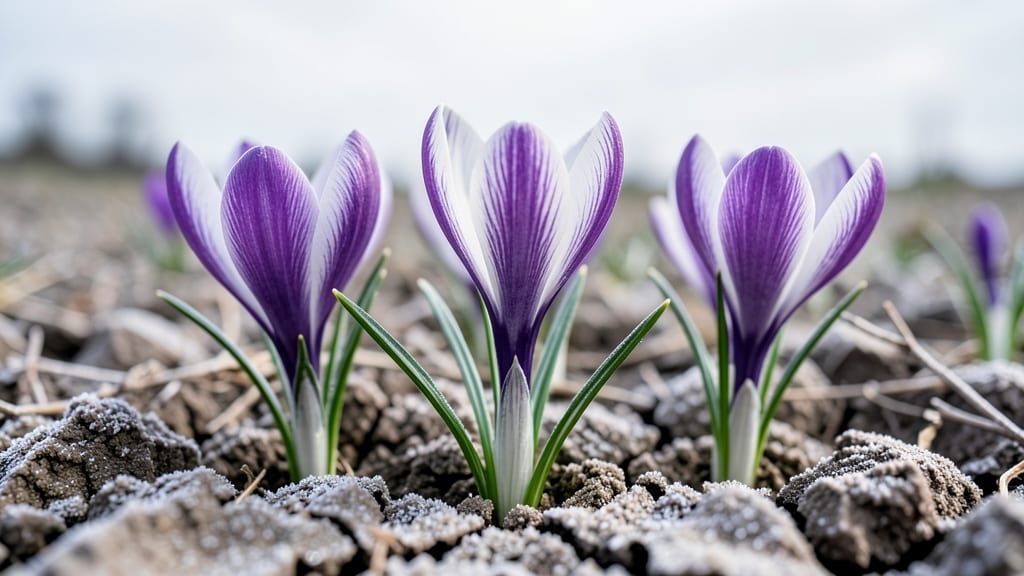
When winter’s chill still lingers, crocuses (Crocus) become nature’s first cheerleaders, bursting through frosted soil as early as December in many regions. Their delicate yet bold blooms—purple, white, or striped—serve as a beacon for early pollinators like bees, offering a vital food source when little else is in bloom.
Plant these hardy bulbs in full sun to partial shade with well-draining soil, and they’ll reward you with year-round greenery followed by winter and spring blooms. Choose varieties like Crocus vernus for early flowers or Crocus tommasinianus for late winter color. Their low-maintenance nature makes them ideal for rock gardens, borders, or even containers on patios.
Perfect for beginners or busy gardeners, crocuses demand almost no care beyond planting—just a little space and patience. Their early blooms signal that spring is on its way, making them a must-have for winter gardens. 🌷
Winter Aconite Cheerful Yellow Spots
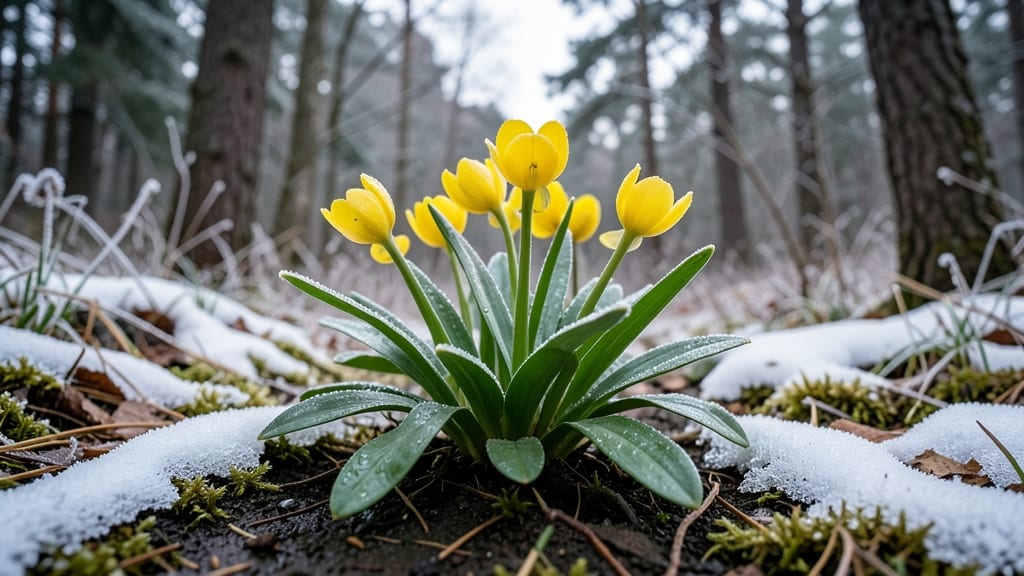
When your garden feels like it’s taking a winter nap, winter aconite (Eranthis hyemalis) bursts onto the scene with bright yellow blooms that defy the chill. Unlike spring ephemerals that wait for warmth, this early riser emerges in late winter, often while snow still lingers in shaded corners.
Plant it in well-drained soil under deciduous trees or shrubs where it gets partial shade—this mimics its natural woodland habitat. The cup-shaped flowers appear before leaves, creating a striking contrast against mossy ground. Since it’s toxic to pets, keep it away from curious animals, but its beauty makes it worth the caution for gardeners who want color when most plants are dormant.
Perfect for woodland gardens or understory plantings, winter aconite thrives with minimal care—just ensure good drainage to prevent rot. It’s a hidden gem for those who love subtle yet bold winter interest. ✨
Daffodils Surviving Late Frost
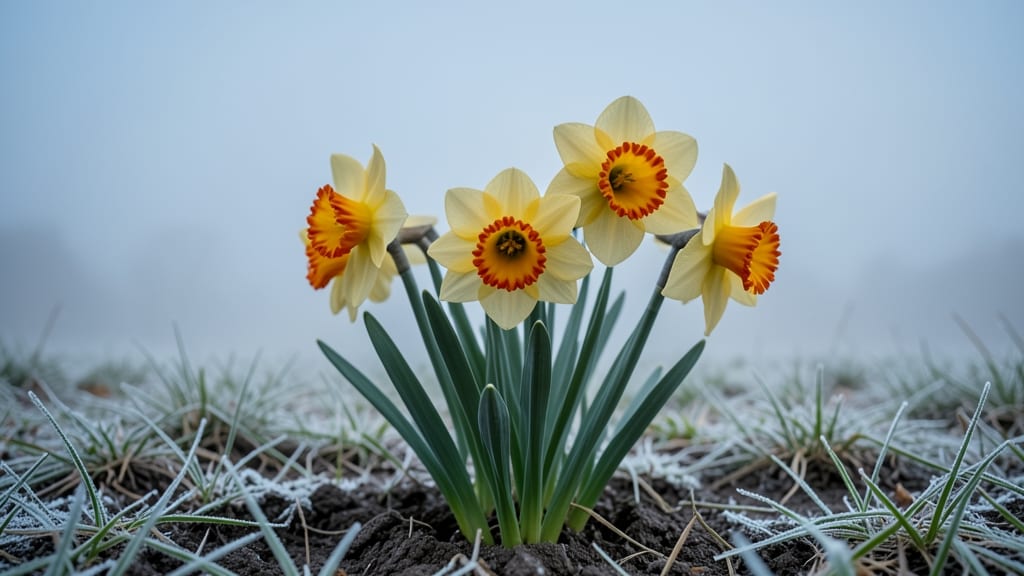
When late frosts threaten to ruin your garden plans, daffodils (Narcissus) stand tall with their trumpet-shaped blooms, defying winter’s chill. Their hardy nature makes them ideal for gardeners in zones where spring arrives late—often blooming even after 28°F (-2°C) temperatures without damage.
Plant bulbs in fall for year-round color, choosing from classic yellows, pristine whites, or fiery oranges like 'Ice Follies' or 'Tête-à-Tête'. Their toxic foliage deters deer, and they multiply yearly, creating natural drifts. For extra protection, apply a 3-inch layer of mulch after planting to shield bulbs from ground frost.
Perfect for beginners or busy gardeners, daffodils demand minimal care while delivering maximum impact—just water occasionally and enjoy their bold statements. 🌻
Sweet Violets Fragrant Ground Cover
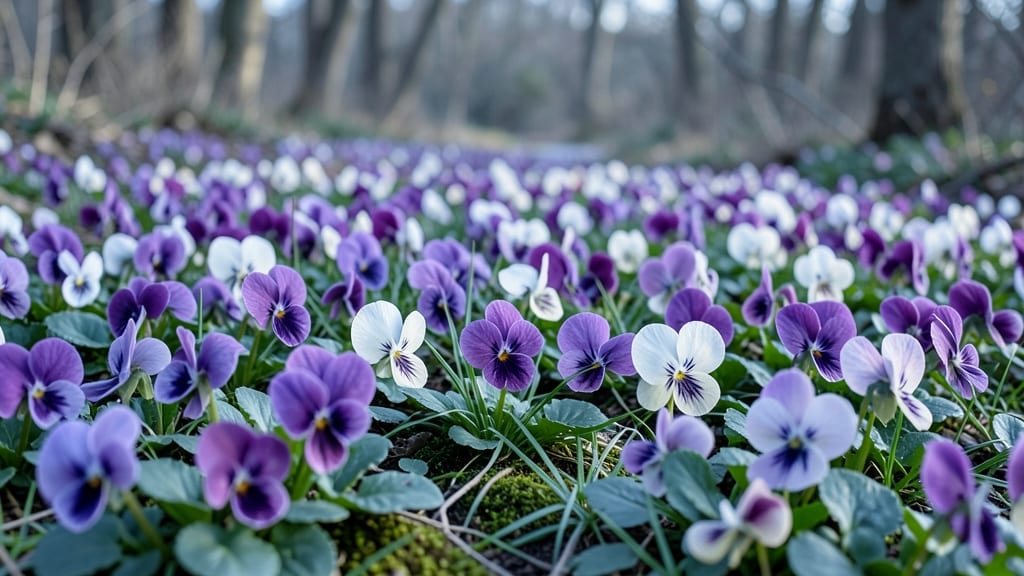
When winter’s chill lingers and other plants fade, sweet violets (Viola odorata) step in to brighten shaded corners with their fragrant, delicate blooms. These hardy perennials spread effortlessly in partial shade, creating a lush carpet of purple, white, or striped flowers that perfume the air and invite early pollinators like bees and butterflies.
Plant them in well-draining soil with morning sun and afternoon shade for best results. Violets thrive in USDA zones 4-9, making them ideal for cold climates, and their self-seeding nature means they’ll return year after year with minimal effort. Snip spent blooms to encourage more flowers, but leave some seed pods for natural propagation.
Perfect for urban gardeners, woodland edges, or understory plantings, violets add a touch of old-world charm while suppressing weeds. Their early blooms provide critical nectar when few other flowers are available. 🌿
Heaths and Heather Frost-Resistant Color
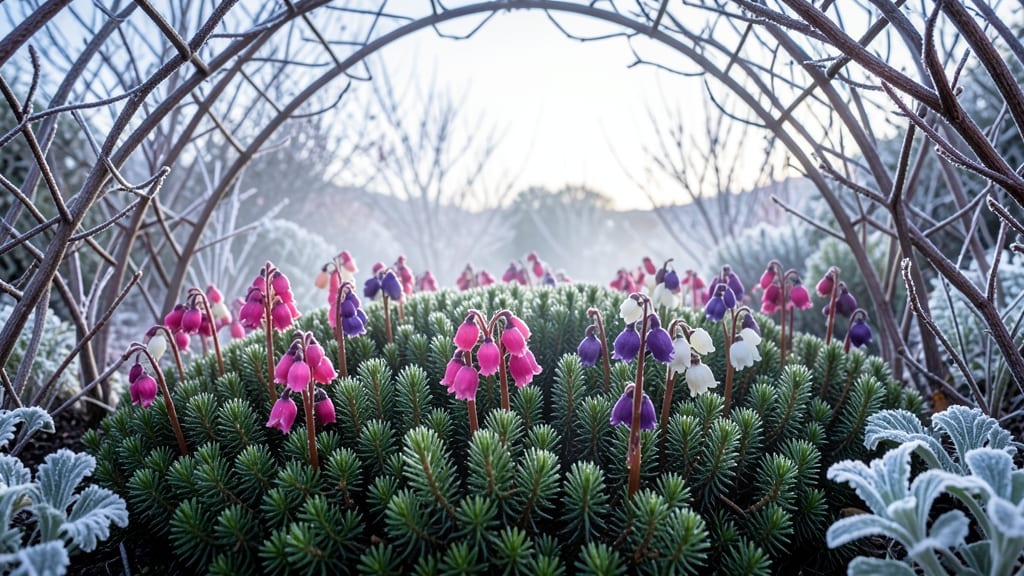
If your winter garden feels like a blank canvas, heaths (Erica) and heathers (Calluna) are your secret weapons. These evergreen shrubs burst into bell-shaped blooms in shades of pink, purple, or white, defying winter’s chill with their vibrant color and resilience. Unlike many winter flowers, they thrive in acidic soil and tolerate frost, making them perfect for gardens where other plants struggle.
Plant them in full sun to partial shade, where their compact, mounding habit (1-3 feet tall) creates stunning ground cover or border accents. Prune after flowering to maintain shape, and avoid overwatering—they prefer slightly dry conditions. With over 800 varieties, you can mix and match colors for a year-round display, from late fall through early spring.
Ideal for gardeners with acidic soil or those seeking low-maintenance winter interest, heaths and heathers bring texture and color to gardens that others might overlook. 🌿
Winter Dianthus Hardy Perennial Beauty

If you crave fragrance in your winter garden, winter dianthus (Dianthus)—also called pinks—delivers a sensory treat with its clove-scented blooms in pink, red, or white. Unlike many winter flowers, these hardy perennials thrive in full sun and well-drained soil, making them perfect for late-season color when other plants have retired for the year.
Plant them in USDA zones 4-9 for year-round interest, as they often bloom from late fall through early spring. Their succulent-like foliage resists deer and rabbits, and they self-seed reliably in ideal conditions. For best results, shear back spent blooms in early spring to encourage bushier growth—this keeps them looking tidy while preserving their fragrant charm.
Ideal for cottage gardens, rockeries, or sunny borders, winter dianthus is a low-maintenance superstar that rewards gardeners with both beauty and scent when winter feels longest. 🌷