
Blooming
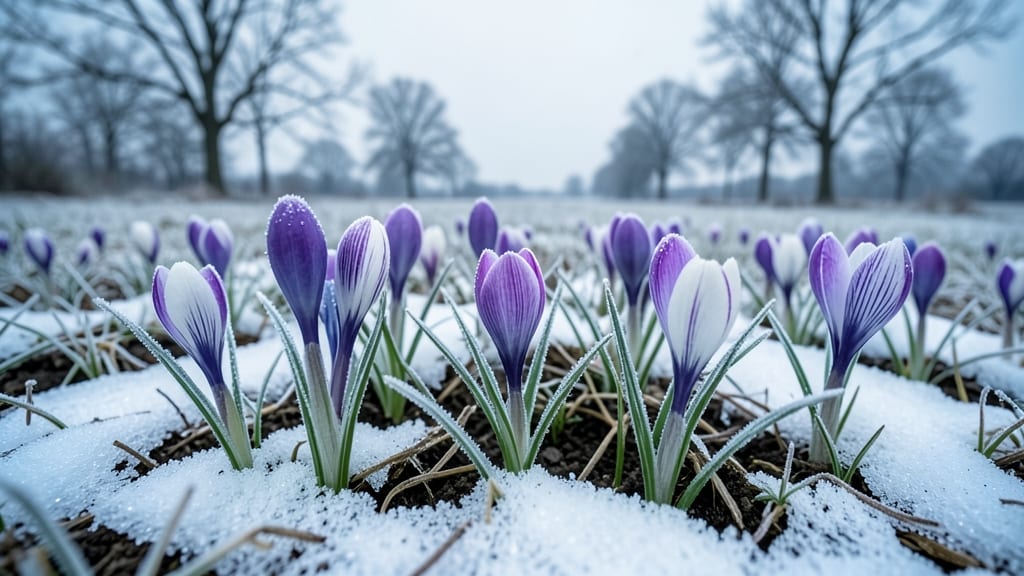
Cold weather shouldn’t mean the end of your garden’s beauty. These 10 hardy autumn and winter bloomers thrive in frost, adding vibrant color and life when most plants retreat. Perfect for gardeners who want year-round interest without sacrificing resilience.
Hellebore Winter Rose: Evergreen Perennial with Delicate Blooms
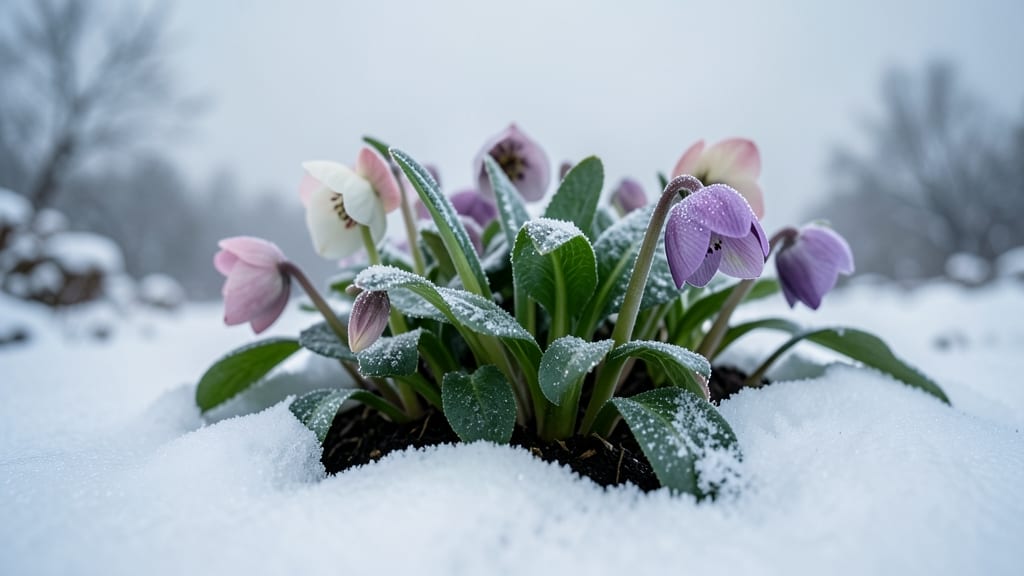
When most gardens are tucked under a blanket of snow, hellebores defy winter’s chill with their delicate, nodding blooms. These evergreen perennials are winter’s secret keepers, emerging as early as late January to greet the new year with soft pink, white, or purple flowers.
Thriving in shade to partial sun, hellebores are the perfect low-maintenance choice for woodland gardens or underplanting shrubs. Their leathery, dark green foliage stays attractive year-round, and they tolerate light frost, making them ideal for borders or containers. Simply keep the soil moist and well-drained—no extra fuss required!
Perfect for gardeners who love early color without the upkeep, hellebores are also deer-resistant and long-lived, rewarding you with blooms for decades. 🌱
Snowdrops Galanthus: Tiny White Flowers That Poke Through Snow
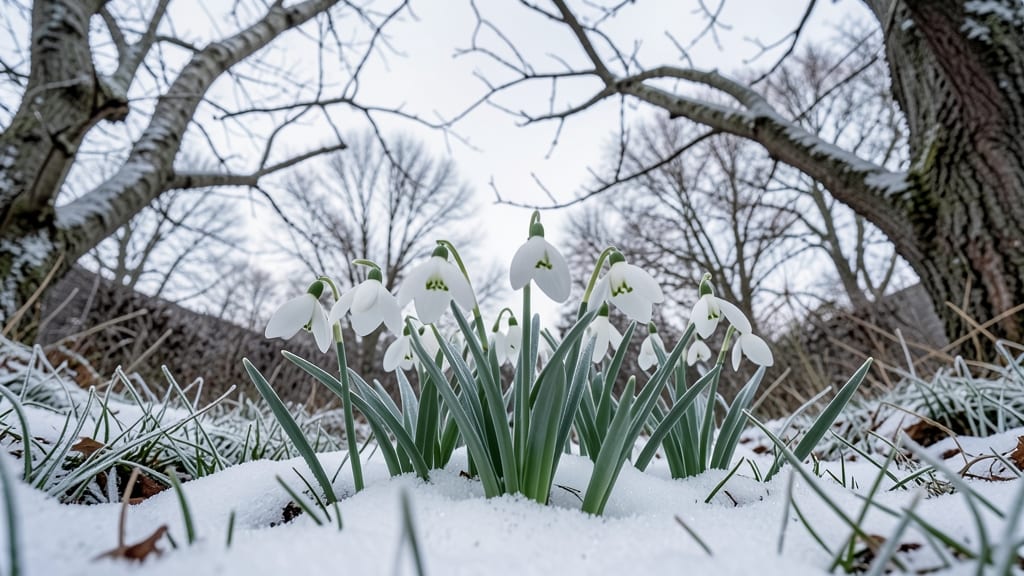
When your garden feels like it’s taking a winter nap, snowdrops (Galanthus) deliver a quiet but powerful message of renewal. These delicate, bell-shaped blooms often appear in late winter—sometimes even through a light dusting of snow—when most plants are still dormant. Their resilience makes them a favorite among gardeners who crave early-season color and symbolism.
Snowdrops thrive in partial shade and well-drained soil, making them ideal for underplanting shrubs, trees, or even along woodland edges. They’re also deer-resistant, which is a bonus for gardeners in rural or wooded areas. Plant bulbs in fall (4-6 inches deep) for blooms that arrive as early as January, offering a stark contrast to the otherwise bare landscape. Their naturalizing habit means they’ll multiply over time, creating lush carpets of white.
Perfect for beginners or experienced gardeners looking to add drama with minimal effort, snowdrops are the ultimate low-maintenance early bloomer. 🌱
Winter Jasmine Jasminum nudiflorum: Bright Yellow Stems with Fragrant Blooms
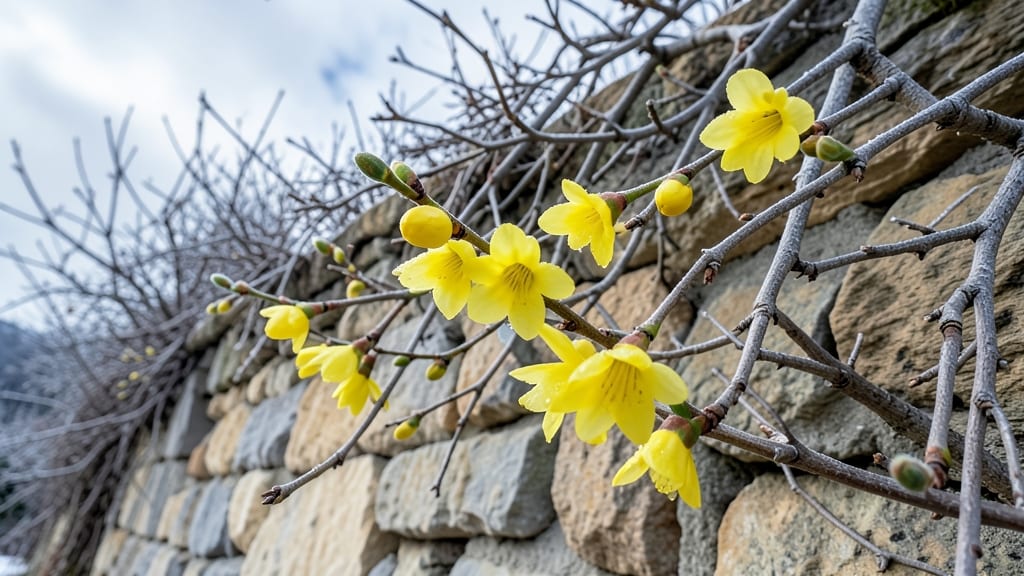
When your garden looks like a winter monochrome, winter jasmine (Jasminum nudiflorum) arrives like a burst of sunshine. This hardy climber sheds its leaves in autumn but compensates with bright yellow, fragrant flowers that appear from late November through March—just when you need a lift.
Plant it against a trellis, fence, or arbour where its bare stems can twine upward, creating a striking vertical display. It thrives in full sun to partial shade and tolerates most soil types, making it low-maintenance. The flowers also attract early pollinators like bees, giving your garden a head start in spring. Prune back stems after flowering to encourage bushier growth next year.
Perfect for urban gardens or small spaces, winter jasmine is ideal for gardeners who want instant winter color without fuss. Its cheerful blooms will brighten even the dreariest winter day. ✨
Cyclamen Coum: Fragrant Purple and White Blooms for Shady Gardens
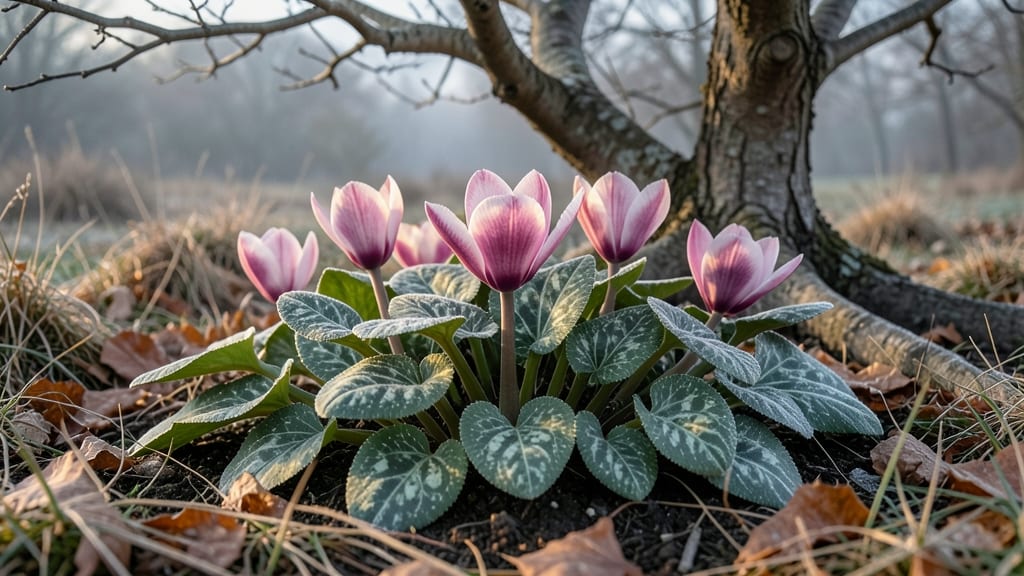
When your garden feels dormant in late autumn, Cyclamen coum arrives like a fragrant surprise, blooming from November through February. This lesser-known cyclamen variety thrives in shade, making it perfect for underplanting trees or brightening dark corners where few flowers dare to grow.
Its heart-shaped leaves with silver markings create a striking contrast, while the delicate purple and white blooms emit a sweet, honey-like scent that fills shaded spots with charm. Plant bulbs in well-draining soil under deciduous trees or in containers for flexible placement—just keep them dry during dormancy. Perfect for woodland gardens or urban patios with limited sunlight. 🌷
Pansies Viola: Cold-Hardy Annuals with Bold, Long-Lasting Color
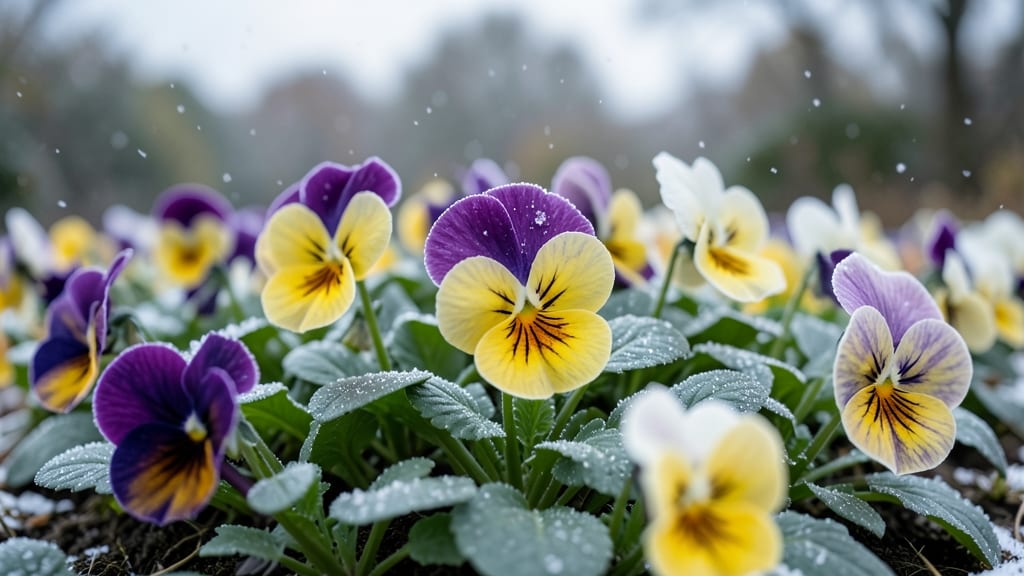
Looking for a flower that refuses to quit when temperatures drop? Pansies Viola are the unsung heroes of winter gardening, delivering bold, long-lasting color from autumn straight through to spring. Their frost-tolerant nature means they’ll keep blooming even when snowflakes start to fall—no green thumb required!
These edible flowers thrive in full sun to partial shade and come in a dazzling array of colors, from deep purples to sunny yellows. Plant them in containers for patios, line garden edges for instant color, or scatter petals over salads for a peppery, floral garnish. Deadhead spent blooms to encourage nonstop flowering, and watch them bounce back from light frosts like champions.
Perfect for beginners, urban gardeners with limited space, or anyone craving winter cheer, pansies prove that cold seasons can still be vibrant. Plus, their cheerful faces brighten even the dreariest winter days. 🌻
Christmas Rose Helleborus niger: Classic White Blooms for Holiday Cheer
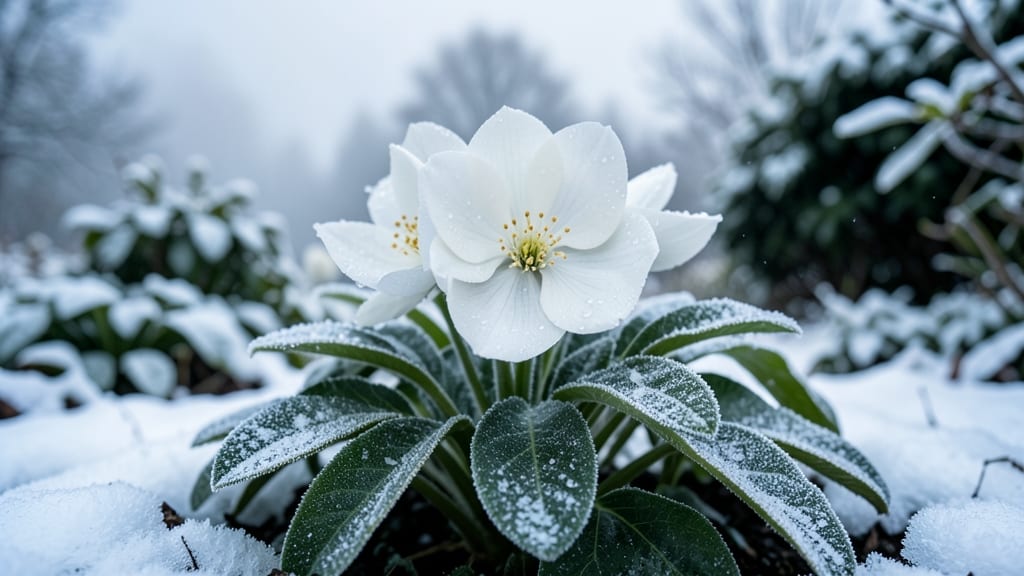
When your garden looks like a winter wonderland, Helleborus niger—the Christmas Rose—steps in to steal the show. This December-to-January bloomer thrives even under snow, offering elegant white flowers that contrast beautifully against dark evergreen foliage, making it a festive centerpiece for borders and woodland gardens.
Plant this shade-tolerant perennial in well-drained soil and give it partial to full shade for best results. Its evergreen leaves stay lush year-round, while the nodding blooms attract pollinators like bees and early butterflies. Perfect for gardeners who love low-maintenance plants with high impact, it’s also deer-resistant, so you won’t have to worry about hungry critters snacking on your holiday display. 🌱
Sweet Box Sarcococca confusa: Fragrant Winter Flowers for Dark Corners
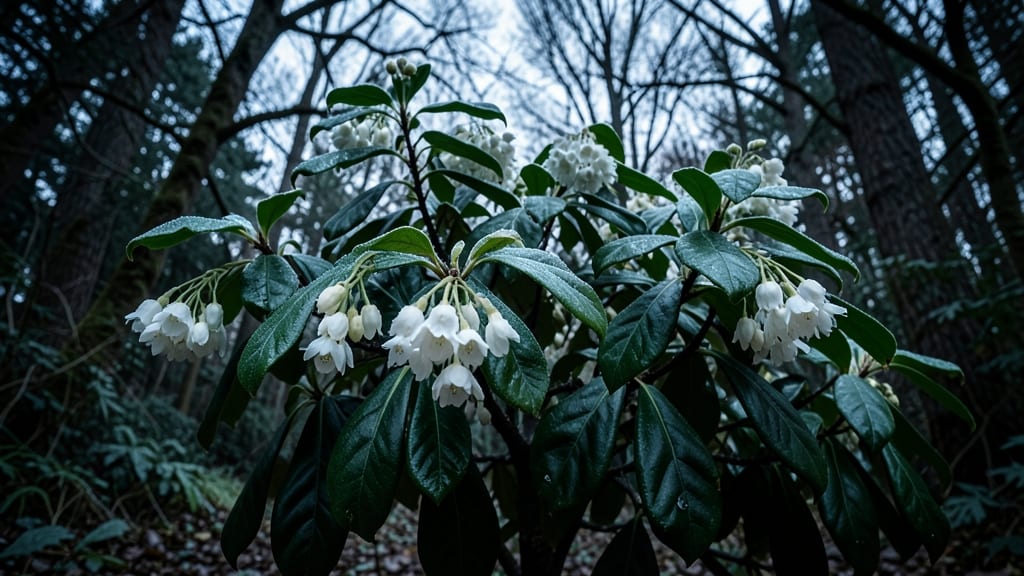
If your garden has spots that seem too dark for most plants, sweet box (Sarcococca confusa) is your secret weapon. This evergreen shrub thrives in full shade while producing clusters of intensely fragrant white flowers from late autumn through winter—when few other plants are blooming.
With its glossy, dark green leaves, sweet box creates a lush backdrop for winter interest, while its heavily scented flowers (often called "snowdrop" for their fragrance) bring life to forgotten corners. It’s ideal for hedges, privacy screens, or as a focal point under trees. Simply prune lightly after flowering to maintain shape—no heavy maintenance required!
Perfect for urban gardeners with shady patios or woodland gardeners seeking year-round structure, sweet box transforms neglected areas into fragrant, fragrant havens. 🌿
Winter Aconite Eranthis hyemalis: Bright Yellow Stars in Late Winter
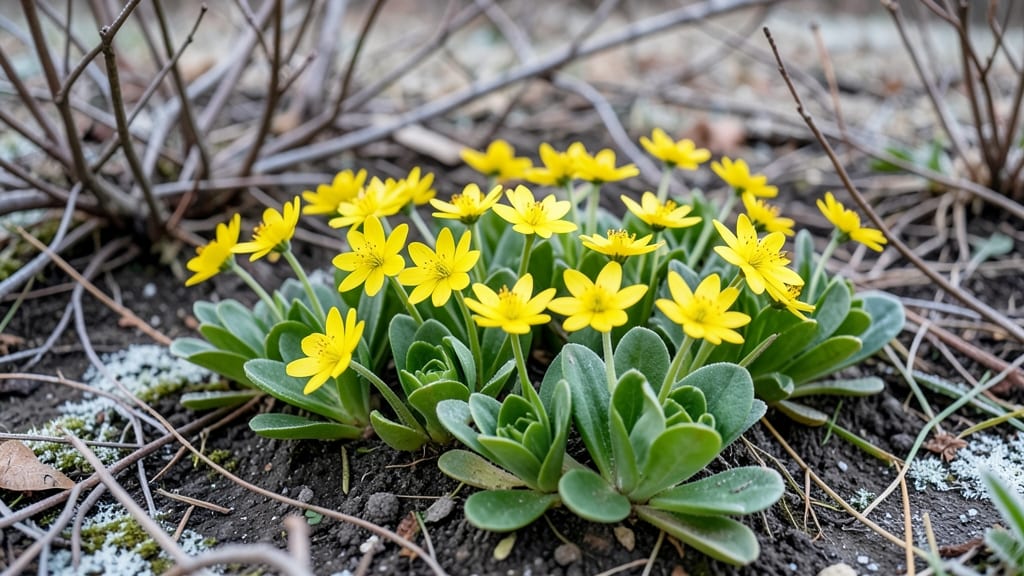
While snowdrops and hellebores steal the show in early winter, winter aconite (Eranthis hyemalis) arrives like a burst of sunshine in late winter, often appearing as early as February. These tiny, bright yellow stars (each just 1-1.5 inches wide) emerge from low-growing rosettes, creating a striking contrast against bare soil or emerging spring bulbs.
Unlike shade-loving winter bloomers, this plant craves full sun to partial shade and well-drained soil, making it perfect for sunny borders, rock gardens, or even containers. Its early blooming means you’ll get weeks of color before spring bulbs like daffodils take over. Just be cautious—winter aconite is toxic if ingested, so plant it where pets and children won’t nibble.
Ideal for gardeners who want bold winter color without fuss, winter aconite pairs beautifully with early crocuses or snowdrops for a layered effect. Its cheerful blooms are a surefire way to brighten up those dreary late-winter days! ✨
Daphnes: Exotic Pink and Purple Winter Bloomers with Intoxicating Scent
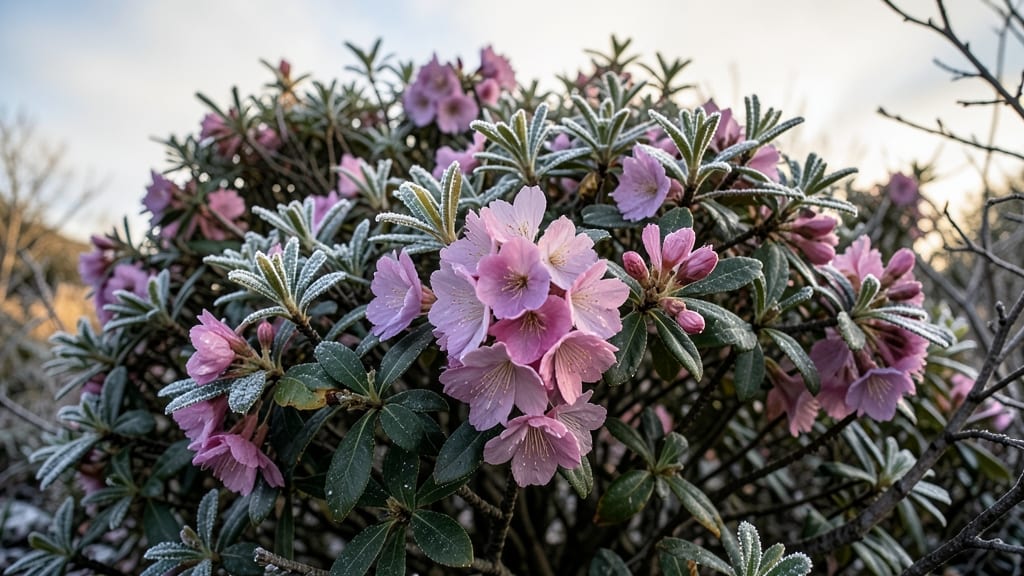
If you crave a garden that feels like a secret perfumery in winter, daphnes are your answer. These exotic shrubs burst into clusters of pink and purple flowers from late winter through early spring, filling the air with a heady, intoxicating fragrance that rivals spring bloomers—yet they thrive when most gardens are still dormant.
Daphnes prefer acidic, well-draining soil and partial shade, making them perfect for woodland gardens, shaded borders, or even containers on patios. Their slow-growing but long-lived nature means they’ll reward you with years of fragrant blooms with minimal maintenance—just avoid overwatering and prune lightly after flowering. Varieties like Daphne odora (winter daphne) and Daphne mezereum (meadowsweet daphne) offer different shades and scents to suit your space.
Ideal for gardeners who love scent and texture, daphnes add a touch of old-world elegance to shaded areas where few plants dare to bloom. Their delicate, waxy flowers contrast beautifully with evergreen foliage, creating a winter garden that feels both exotic and effortless. 🌷
Crocuses Crocus species: Tiny but Mighty Purple and White Spring Heralds

While most gardeners wait for spring to arrive, crocuses are already putting on a show—sometimes as early as late autumn or winter. These tiny but mighty blooms defy expectations by emerging through snow or frost, offering vibrant purple, white, and even striped flowers that signal spring’s arrival months ahead of time.
Perfect for naturalizing lawns or brightening borders, crocuses thrive in full sun to partial shade and well-drained soil. Plant bulbs in fall (3-4 inches deep) for blooms as early as November or December, depending on your climate zone. Their early emergence also makes them ideal for cutting gardens or adding color to winter containers. Just avoid overwatering—they prefer dry conditions once established.
Urban gardeners with small spaces or lawn lovers tired of bare patches will appreciate how crocuses transform dull winter landscapes into cheerful displays. Plus, their deer-resistant nature means fewer worries about hungry critters. 🌷