
Flowers
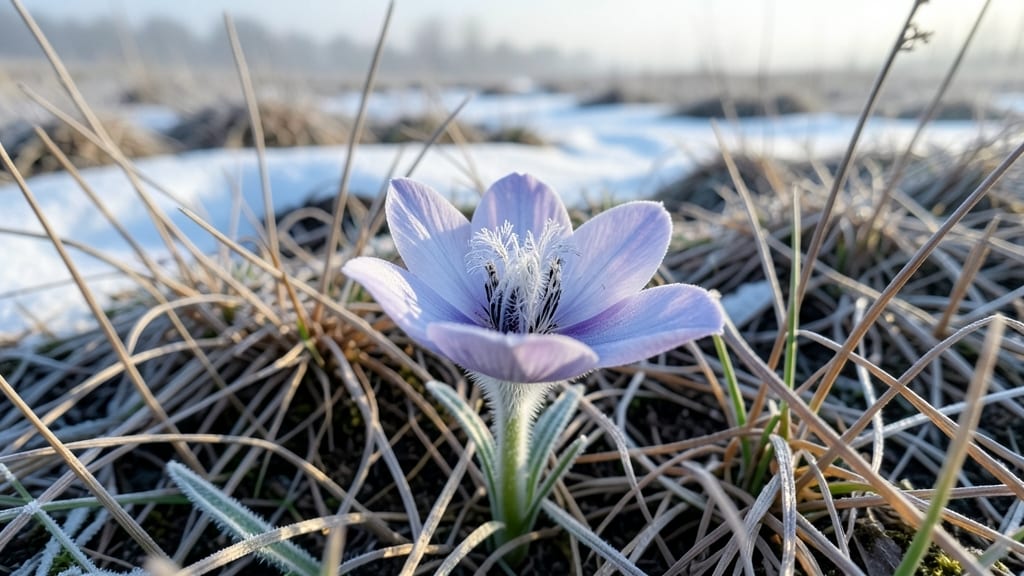
Winter gardens don’t have to be dormant—these 10 resilient flowers defy the cold and bloom in snow, adding vibrant color to your landscape when most plants are asleep. Perfect for cold climates, these hardy perennials thrive under frost and bring life to winter wonderlands.
Snowdrops Galanthus Nivalis
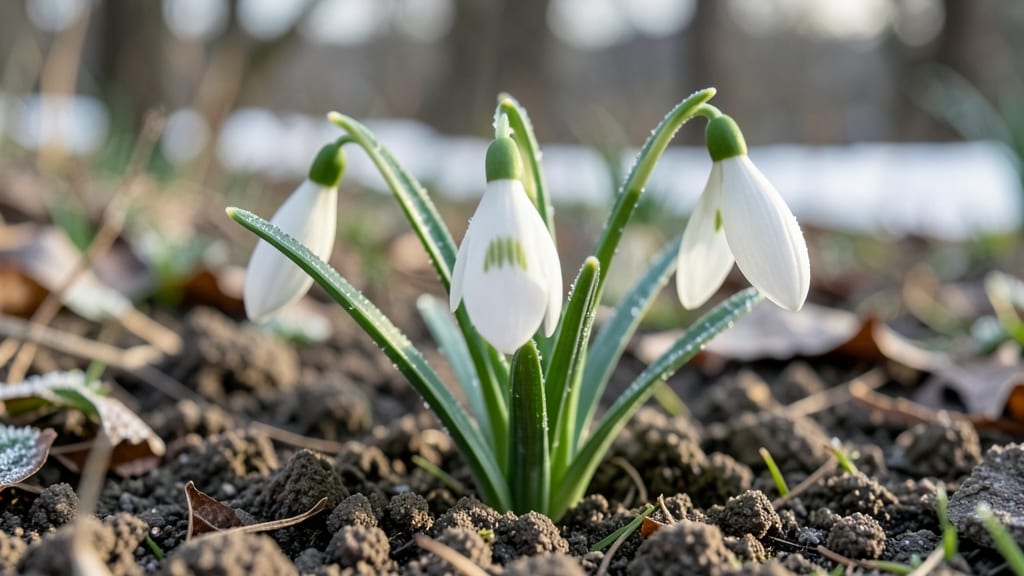
When winter seems endless and most gardens lie dormant, snowdrops (Galanthus nivalis) defy the cold with their delicate white blooms—often appearing as early as January in milder climates. These tiny but mighty flowers thrive in USDA zones 3-9, making them one of the most resilient winter bloomers for nearly any garden.
Plant them in partial to full shade where they’ll naturalize over time, spreading gently to form colonies. Their sub-zero tolerance means they’ll push through snow and even bloom under light frost, offering a symbol of renewal. For best results, mulch heavily in fall to protect their shallow roots, and avoid disturbing their bulbs once established.
Perfect for beginner gardeners and woodland gardeners alike, snowdrops require almost no maintenance yet deliver year-after-year beauty. Their early blooms also attract early pollinators, making them a vital addition to winter ecosystems. 🌱
Winter Aconite Eranthis Hyemalis
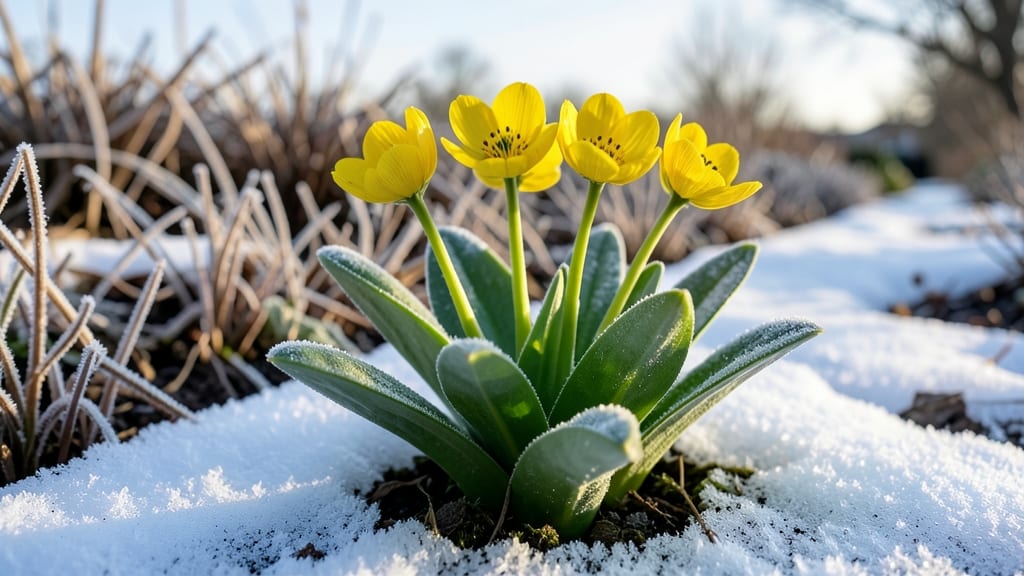
When most gardens lie dormant under snow, winter aconite (Eranthis hyemalis) bursts through with cheerful bright yellow blooms, proving winter doesn’t have to be colorless. This hardy perennial thrives in full sun, making it perfect for sunny winter borders where other plants struggle to survive.
Native to Europe, winter aconite blooms as early as late January in mild climates, often pushing through snow to reveal its cup-shaped flowers. Plant bulbs in well-draining soil and full sun for best results, and mulch lightly to protect roots from extreme cold. Its early blooms also attract bees and other pollinators, giving them a vital food source when little else is available.
Ideal for gardeners in zones 4-8, winter aconite is low-maintenance and spreads slowly, making it a great choice for sunny winter gardens. Its vibrant color contrasts beautifully with snow, adding a pop of sunshine to frosty landscapes. 🌻
Hellebore Lenten Rose Helleborus Niger
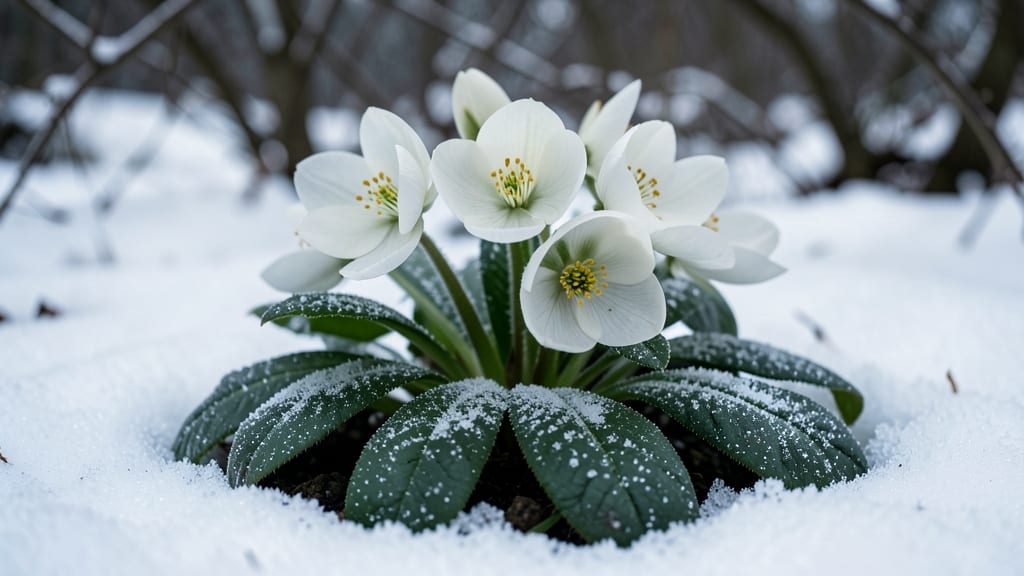
When most gardens are blanketed in snow, Hellebore Lenten Rose (Helleborus niger) emerges as a quiet yet striking star, offering evergreen foliage and delicate white blooms from late winter through early spring. This shade-loving perennial thrives where others fail, making it a low-maintenance hero for woodland gardens or shady borders.
Plant in partial to full shade with well-draining soil, and watch it reward you with nodding flowers that last for weeks. Unlike sun-loving winter bloomers, hellebores tolerate harsh winters with minimal care—just mulch lightly in fall to protect roots. Deer often avoid them, adding another layer of resilience for busy gardeners.
Perfect for beginners or urban gardeners with limited sunlight, hellebores bring elegance and structure to winter landscapes without demanding attention. Their long blooming season makes them a standout choice for year-round interest. 🌿
Crocus Snow Flower Crocus Chrysanthus
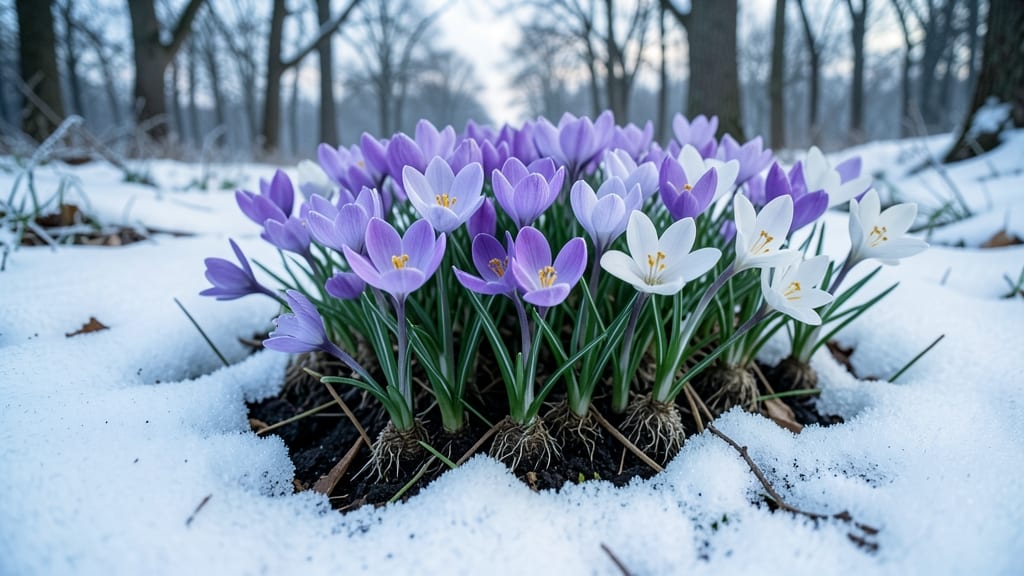
When most gardens lie dormant under snow, Crocus Chrysanthus—or snow crocus—pops up like tiny purple or white fireworks, signaling that spring is on its way. These low-growing perennials thrive in full sun to partial shade, making them ideal for naturalizing under deciduous trees where sunlight filters through the branches.
Plant bulbs in fall (4-6 inches deep) in well-draining soil, and they’ll reward you with early winter blooms that last through late winter. Their delicate petals contrast beautifully against snow, and they’re deer-resistant, which is a bonus for rural gardeners. A single clump can multiply over time, creating a stunning carpet of color.
Perfect for gardeners who want year-round interest with minimal effort, these crocuses are especially magical for woodland gardens or shady spots where few other plants dare to bloom. 🌟
Winter Jasmine Jasminum Nudiflorum
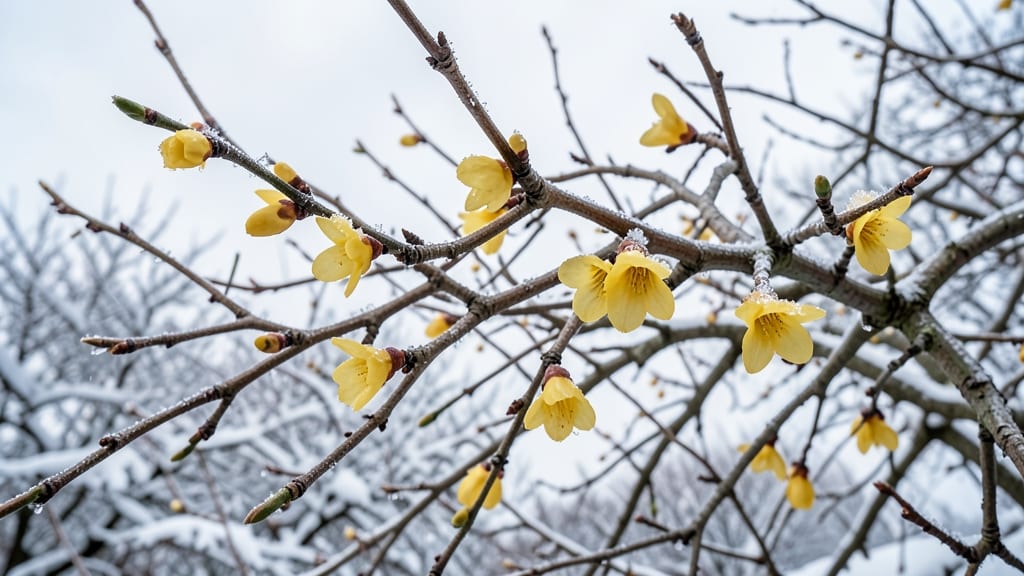
When most plants are tucked away for the winter, winter jasmine (Jasminum nudiflorum) bursts onto the scene with its bright yellow tubular flowers that bloom on bare stems—often right through snow. This deciduous climber is a winter garden superstar, offering a striking contrast against white snow and icy branches.
Thriving in USDA zones 6-9, winter jasmine prefers full sun to partial shade and can handle temperatures as low as -20°F. Plant it near trellises, fences, or walls to showcase its arching stems and cascading blooms. Prune in late winter after flowering to maintain shape, and watch it reward you with weeks of cheerful color when other plants are dormant.
Perfect for urban gardeners with limited space or those who love architectural plants, winter jasmine adds year-round structure and winter interest. 🌟
Christmas Rose Helleborus Niger
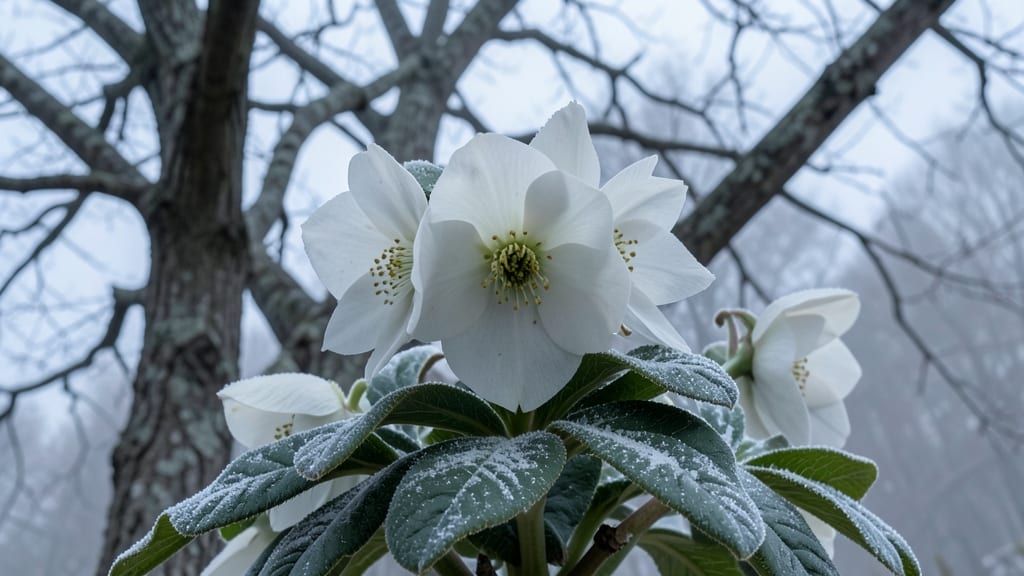
When you crave elegance in your winter garden without the fuss, the Christmas Rose (Helleborus niger) delivers with its roselike white blooms that appear when most gardens are asleep. Unlike its sunny counterparts, this shade-lover thrives in partial shade and even tolerates light frost, making it a standout for cold climates.
Plant it in well-draining soil with a mulch layer to protect roots during harsh winters. The evergreen foliage provides year-round interest, while its late-winter to early-spring blooms (December–March) create a serene focal point. Deer often avoid it, making it a low-maintenance choice for problem areas.
Perfect for woodland gardens, foundation plantings, or as a dramatic understory beneath taller evergreens, this perennial adds sophistication with minimal effort. 💚
Siberian Bugloss Bunium Sibiricum
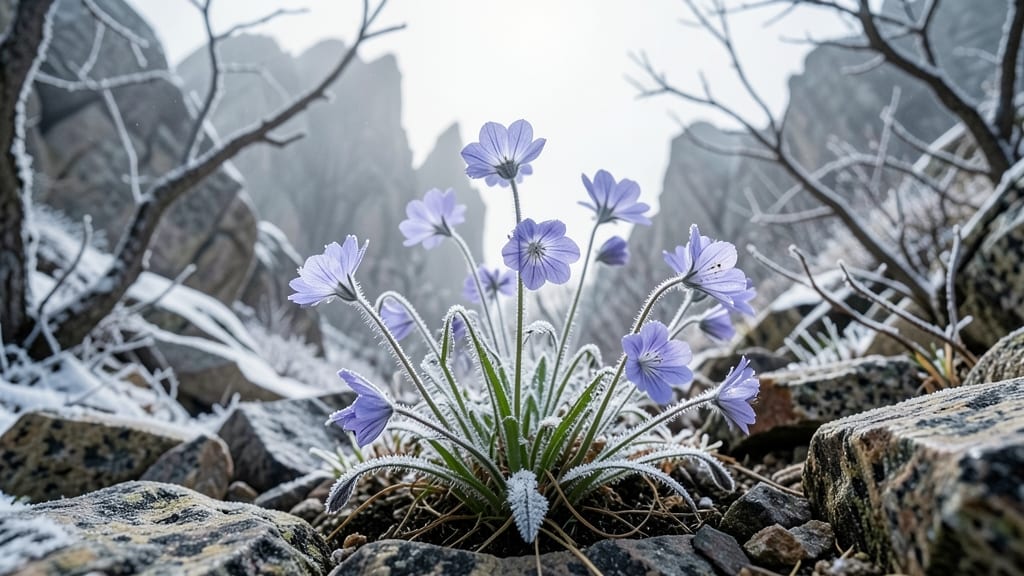
If you’re dreaming of a winter garden that thrives where others fail, Siberian bugloss (Bunium sibiricum) delivers ethereal blue-violet blooms that emerge under snow—a rare spectacle even in alpine collections. This hardy perennial thrives in rocky, well-drained soils where most plants would freeze, making it ideal for cold climates (zones 3-7) and rugged landscapes.
The delicate, lacy flowers appear in late winter to early spring, often peeking through snowdrifts for weeks. Plant it in full sun to partial shade, and pair it with sedum or thyme for a low-maintenance alpine border. Its fern-like foliage adds texture year-round, while the blooms attract early pollinators desperate for nectar after winter.
Perfect for alpine gardeners, rockery enthusiasts, or anyone seeking winter color, this underrated gem proves beauty thrives even in the coldest conditions. 🌷
Glacier Lily Erythronium Grandiflorum
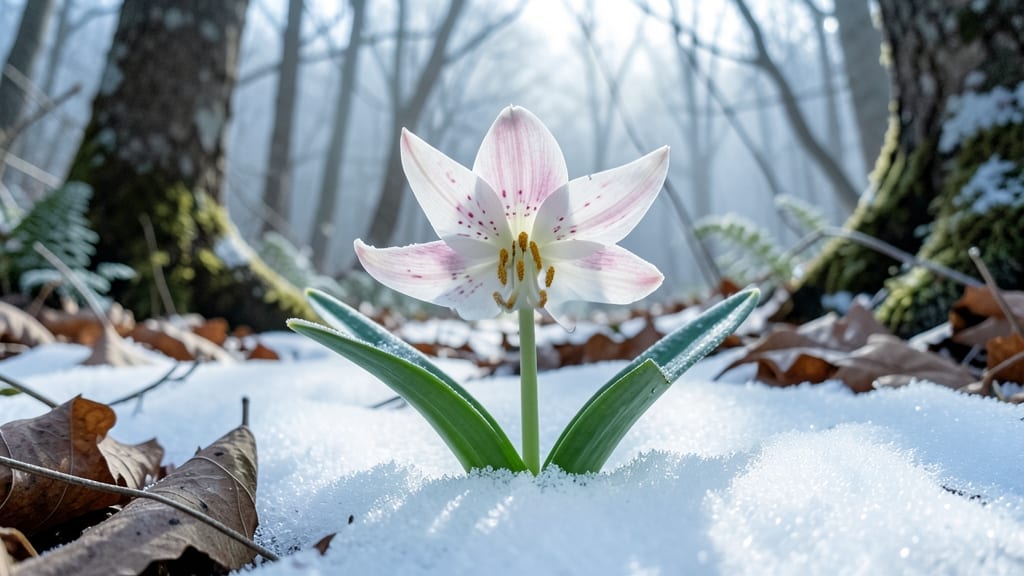
Imagine a flower that waits patiently beneath the snow, only to burst forth with striking white petals speckled with pink when winter finally loosens its grip. The glacier lily (Erythronium grandiflorum) is nature’s own winter-to-spring transition star, thriving in woodland gardens where few other plants dare to bloom.
This delicate wildflower emerges in late winter to early spring, preferring partial shade and well-draining soil under deciduous trees. Its mottled leaves add texture year-round, while the nodding blooms attract early pollinators like bees and butterflies. Plant bulbs in fall at 3-4 inches deep and space them 4-6 inches apart for naturalizing clusters that multiply over time.
Perfect for woodland gardeners or those seeking low-maintenance beauty, glacier lilies reward patience with months of subtle elegance—no fuss, just pure spring magic. 🌷
Winter Honeysuckle Lonicera Fragrantissima
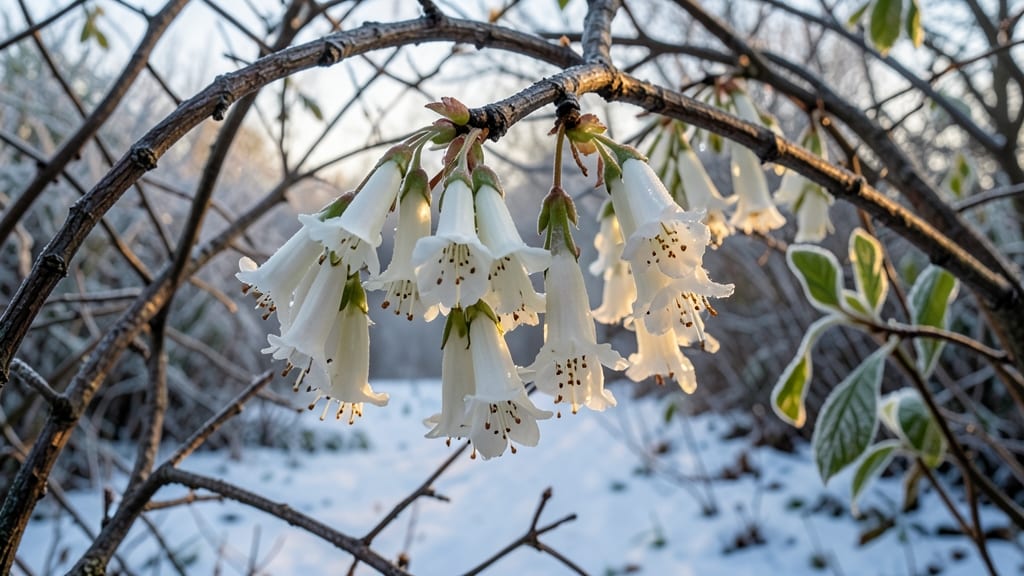
If you crave a garden that smells as good as it looks in winter, winter honeysuckle (Lonicera fragrantissima) delivers with its intoxicating fragrance. Unlike its summer-blooming cousins, this deciduous shrub produces clusters of snow-white, tubular flowers in late winter—often before leaves even appear—creating a fragrant spectacle against bare branches.
Thriving in USDA zones 4-8, this hardy shrub handles temperatures down to -30°F and prefers full sun to partial shade. Its delicate blooms attract early pollinators and emit a sweet, jasmine-like scent that perfumes chilly air. Prune back old stems in early spring to encourage new growth and more abundant blooms next winter.
Perfect for gardeners in cold climates who want year-round interest, winter honeysuckle pairs beautifully with evergreens like boxwood or holly. Its early bloom time makes it a standout feature before spring bulbs take over. 💚
Pasque Flower Pulsatilla Vulgaris

When the last snowflakes melt and most gardens remain bare, pasque flowers (Pulsatilla vulgaris) burst onto the scene with their ethereal silky blue or purple blooms. This native wildflower thrives in early spring, often appearing while snow still lingers, and its fuzzy seed heads add whimsical texture to meadows and borders.
Plant pasque flowers in full sun and well-drained soil—they’re drought-tolerant once established, making them ideal for low-maintenance gardens. Their delicate petals are sensitive to wind, so choose sheltered spots. The flowers also attract early pollinators, supporting your garden’s ecosystem.
Perfect for wildflower enthusiasts or those seeking early-season color, pasque flowers bring a touch of magic to spring gardens. 🌷