
Flowers
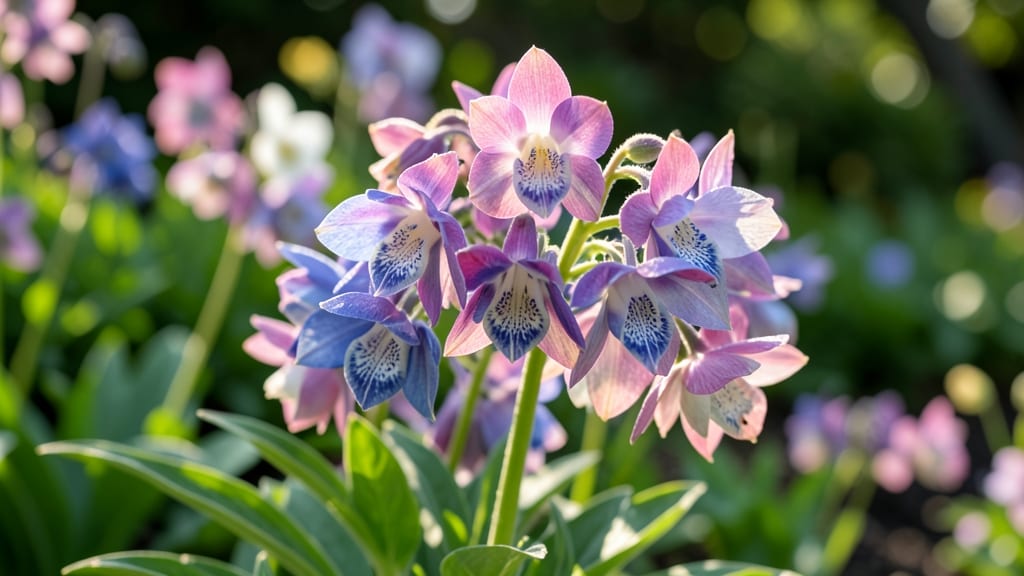
Spring’s arrival brings vibrant color and life to gardens. These seven early-blooming flowers not only add beauty but also attract pollinators and signal the start of the growing season—ideal for gardeners eager to kick off their outdoor projects.
Daffodils: Cheerful Yellow Blooms for Early Sunlight
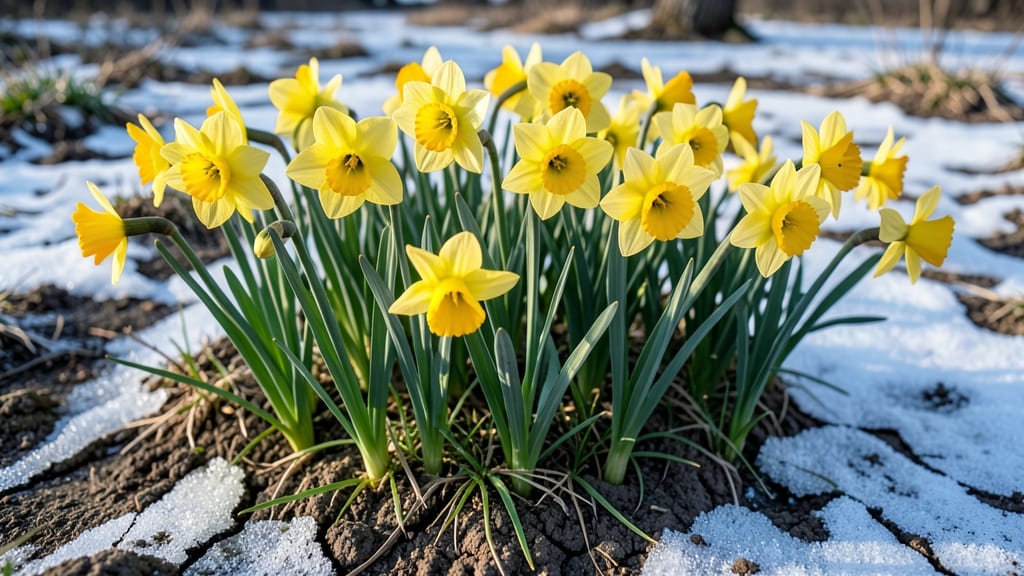
When the first hints of spring arrive, daffodils are nature’s way of shouting, "We’re back!" These cheerful yellow blooms push through snow and frozen soil, often appearing weeks before other flowers. Their resilience makes them a favorite among gardeners who crave early color without the fuss.
Plant daffodil bulbs in fall (6-8 weeks before the ground freezes) in full sun to partial shade, where they’ll thrive in USDA zones 3-8. Their deer-resistant nature means you won’t lose them to hungry wildlife, and they return year after year with minimal care—just divide clumps every 3-4 years to keep them vigorous. The bright blooms also attract bees early in the season, giving pollinators a much-needed boost.
Perfect for low-maintenance gardeners, daffodils brighten borders, containers, and even lawn edges with their cheerful faces. Whether you’re a beginner or a busy gardener, they’ll reward you with bold color and effortless beauty—no green thumb required. 🌻
Tulips: Classic Spring Elegance in Every Color
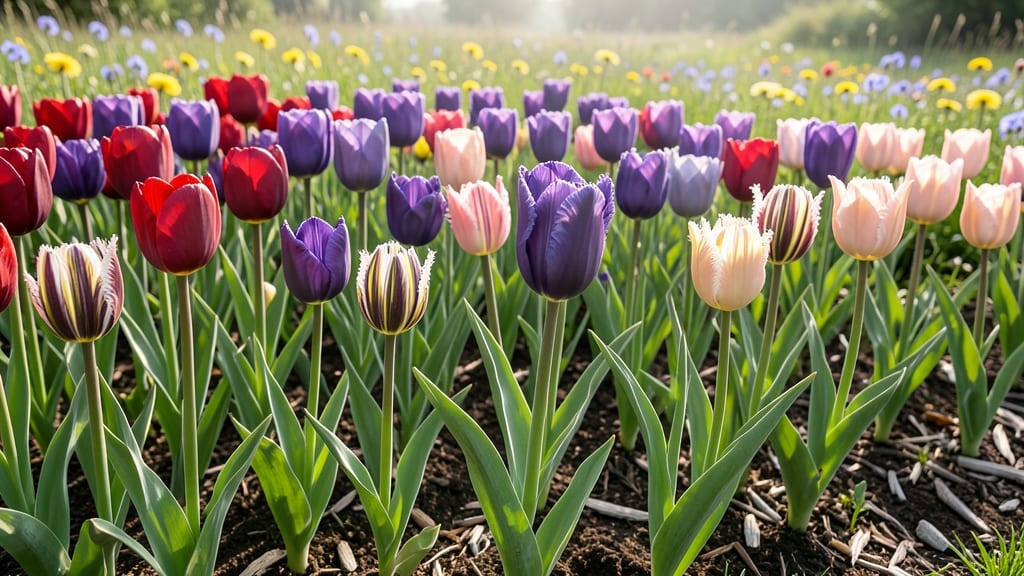
Looking for a spring flower that effortlessly elevates any garden style? Tulips deliver unmatched versatility with over 150 varieties—from classic reds to bold purples, soft pinks, and even striped or fringed petals. Whether you prefer structured formal borders or a relaxed wildflower meadow, tulips adapt to your vision.
These bulbs thrive in full sun to partial shade and bloom reliably for 2-3 weeks each spring, with some varieties reblooming in summer. Plant them in well-draining soil in fall for next year's display, and choose disease-resistant hybrids like 'Apeldoorn' or 'Darwin' for long-lasting color. Their compact size (6-24 inches tall) makes them perfect for containers or mass planting.
Tulips are the ideal choice for gardeners of all levels—beginners love their foolproof growth, while experienced growers appreciate their endless design possibilities. Add them to your spring lineup for instant elegance! 🌷
Crocus: Tiny Purple Stars for Early Pollinators
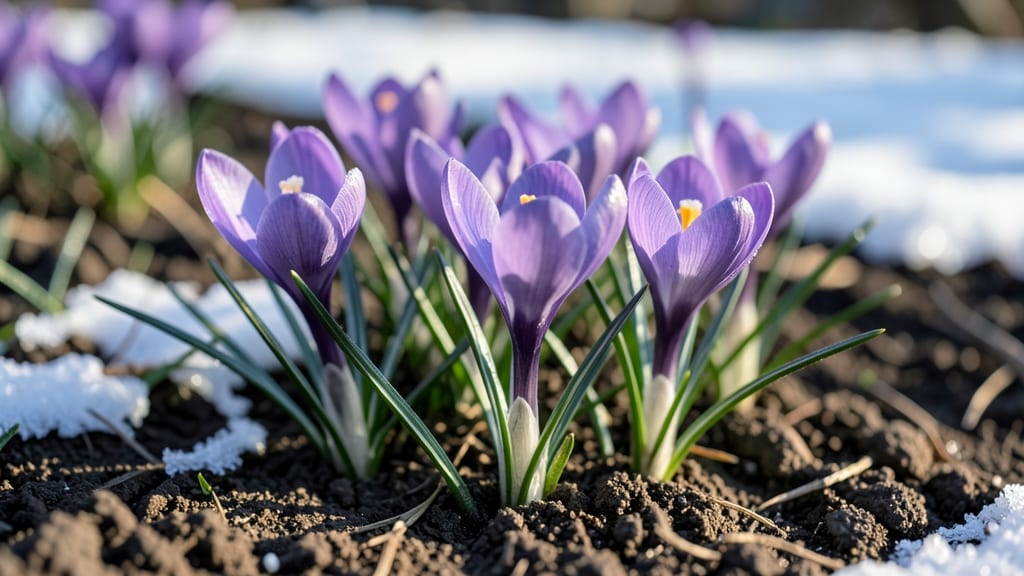
Before tulips and daffodils even think about blooming, crocus plants are already putting on a show, offering early-season nectar that sustains bees and butterflies emerging from winter. These tiny purple stars are nature's way of welcoming spring—often popping up through snow or thin soil as early as February in many climates.
What makes crocus truly remarkable is its adaptability: they thrive in rocky soil, containers, or even cracks in pavement, making them perfect for alpine gardens, small balconies, or urban spaces where other spring flowers might struggle. Plant bulbs in fall for year-round beauty—some varieties even rebloom in late summer. Their low-maintenance nature and pollinator benefits make them a must-have for eco-conscious gardeners.
Whether you're working with limited space or want to create a pollinator-friendly haven, crocus delivers big impact with minimal effort. It’s the ultimate small-space superstar for spring. 🌟
Bleeding Heart: Delicate Pink Heart-Shaped Flowers
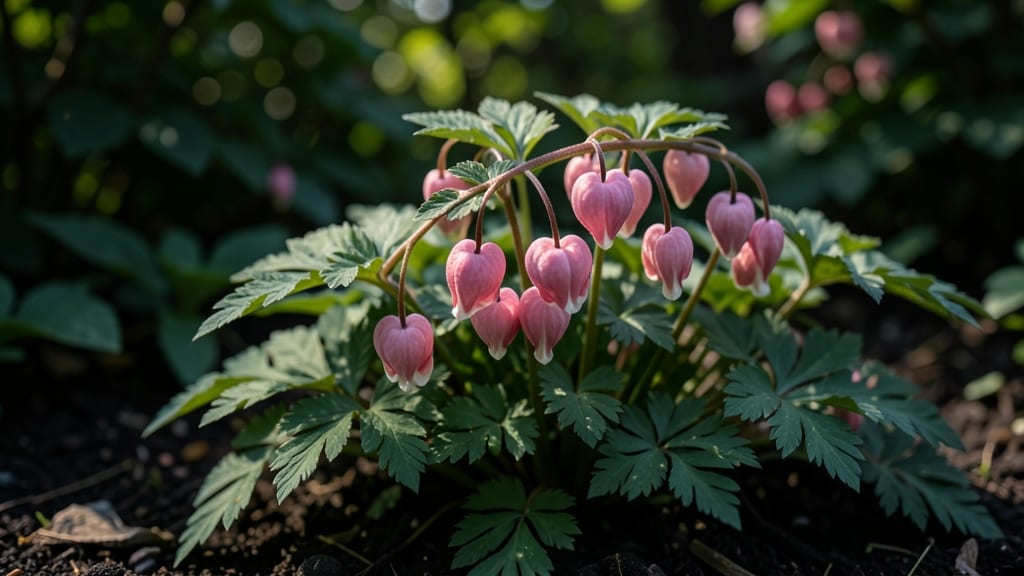
If your garden has shady spots where other spring flowers refuse to thrive, bleeding heart (Dicentra spectabilis) is your secret weapon. This graceful perennial thrives in partial to full shade, producing cascading clusters of heart-shaped pink blooms that seem to defy gravity while adding romantic drama to woodland gardens.
Plant bleeding heart in well-draining, moist but not soggy soil enriched with organic matter. Its lacy foliage provides year-round interest, even when not in bloom (typically late spring to early summer). For extended displays, choose varieties like 'King of Hearts' for bold blooms or 'Alba' for pristine white flowers. This plant also makes a stunning container specimen for patios or balconies.
Perfect for gardeners with shady borders, woodland edges, or north-facing beds, bleeding heart offers low-maintenance elegance that other spring flowers can't match. Its vertical habit creates natural focal points that draw the eye upward. 🌷
Hyacinth: Fragrant Clusters for Scented Gardens
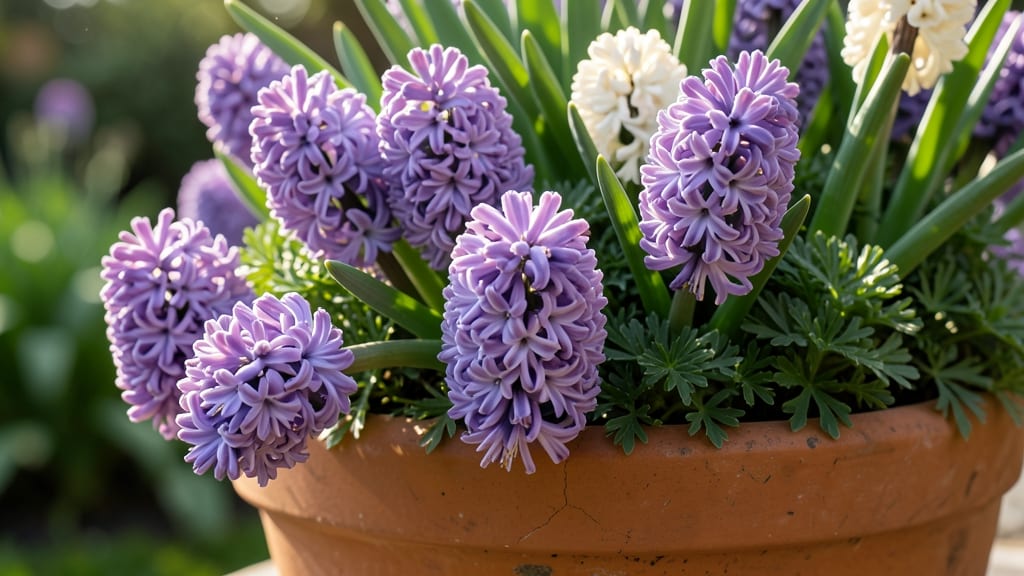
If you crave a garden that delights not just the eyes but also the senses, hyacinths are your secret weapon. These compact powerhouses pack dense clusters of fragrant blooms into small spaces, making them ideal for balconies, containers, or sensory gardens where you can truly enjoy their intoxicating scent up close.
Plant hyacinth bulbs in fall (6-8 weeks before the ground freezes) in well-draining soil with full sun to partial shade. Their blooms emerge in early spring, often before other flowers, and each stem produces 10-20 fragrant flowers in vibrant colors like purple, pink, white, or blue. For cut flowers, harvest stems early in the day when fragrance peaks.
Urban gardeners and small-space enthusiasts will love how hyacinths thrive in containers, while their sweet scent makes them perfect for garden paths or near seating areas. Just be mindful—deer and squirrels may dig them up! 🌻
Sweet Pea: Climbing Vines with Sweet-Scented Blooms
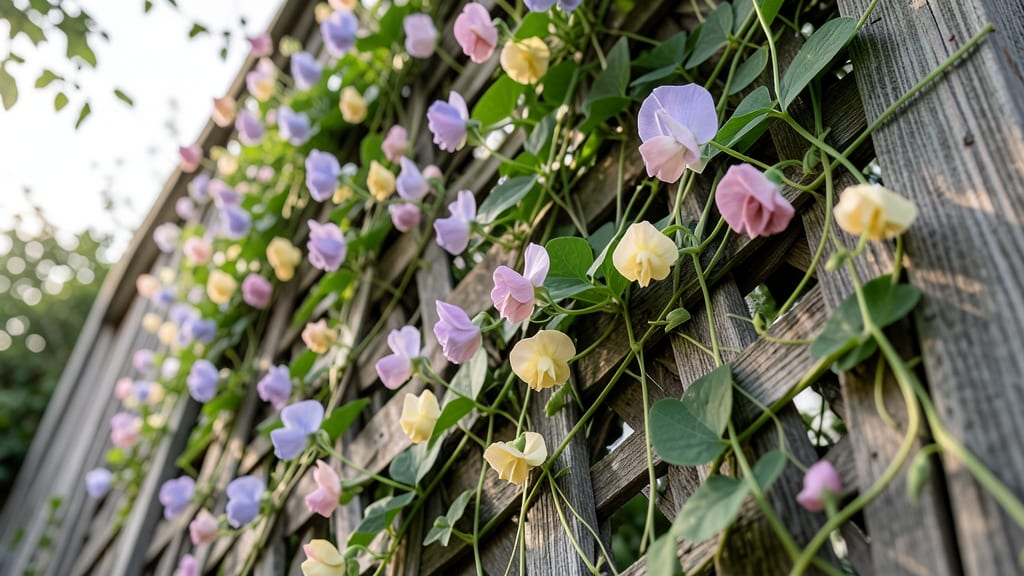
Transform a blank fence or trellis into a fragrant, living tapestry with sweet peas—these fast-growing annuals climb with purpose, blanketing vertical spaces in scented blooms within just 60 days. Unlike other spring flowers that sprawl horizontally, sweet peas send out tendrils that latch onto supports, creating a dramatic vertical display perfect for cottage gardens or small urban balconies.
Sow seeds directly in cool spring soil (4-6 weeks before your last frost) for the earliest blooms, or start indoors for a head start. Choose varieties like 'Cupani' (deep purple) or 'Lady Alice' (soft pink) for classic charm, and deadhead spent blooms to encourage continuous flowering. These pollinator magnets thrive in full sun to partial shade and add a romantic touch to any garden corner.
Urban gardeners and small-space enthusiasts will love how sweet peas maximize vertical growing potential—ideal for patios, decks, or even hanging baskets with a sturdy trellis. Their intoxicating fragrance makes them a standout for sensory gardens too. 🌷
Lungwort: Unique Silver-Leafed Perennial for Shade
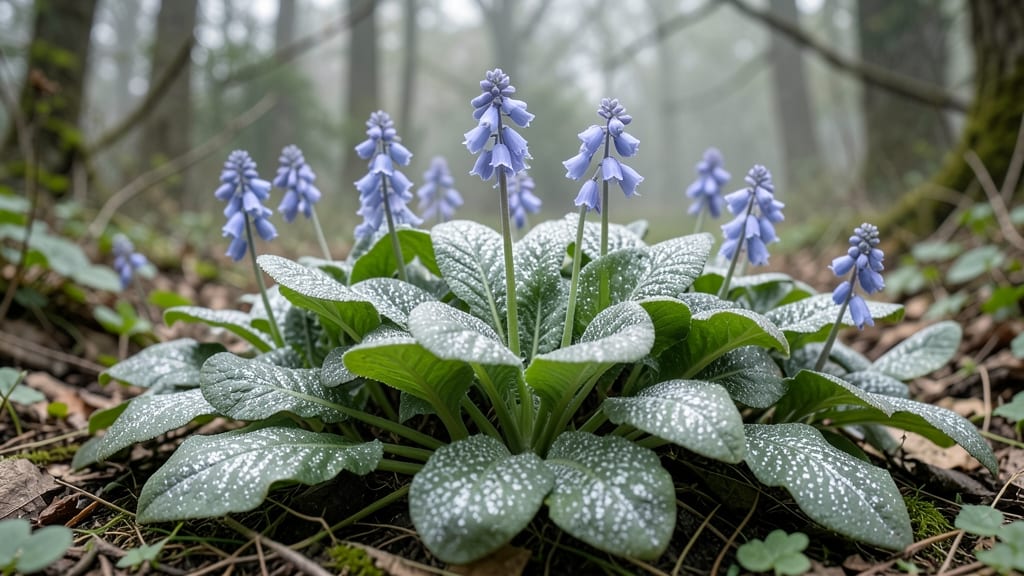
If your garden has shady corners where most plants struggle, lungwort (Pulmonaria) is your secret weapon. This underrated perennial delivers silver-spotted foliage that shimmers in the dappled light, followed by clusters of delicate blue flowers that bloom in early spring—often before many other perennials even wake up.
Unlike sun-loving spring bloomers, lungwort thrives in partial to full shade and prefers moist, well-draining soil, making it perfect for woodland gardens, under trees, or along north-facing walls. Its unique foliage provides year-round interest, while the flowers attract early pollinators like bees. For best results, plant in fall or early spring and mulch to retain moisture.
This low-maintenance beauty is ideal for gardeners with shady spots who want color without the fuss. Once established, lungwort spreads gently, creating a lush ground cover that outshines many spring ephemerals. 💚