
Blooming
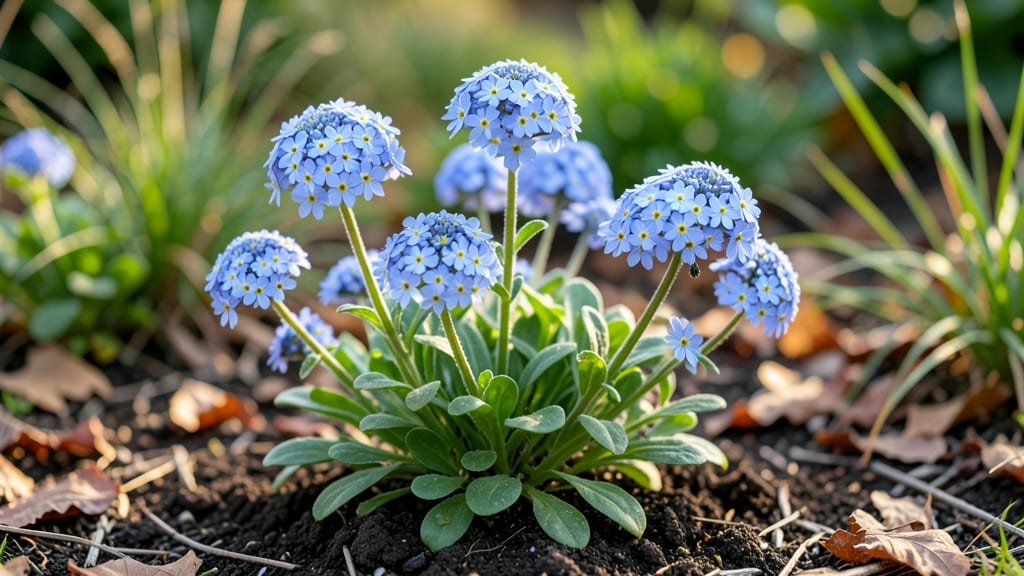
The forget-me-not bloom time will burst into vibrant purple just as the air turns warm—typically late spring to early summer, but with the right care, you can coax a second flush of blooms in 60 days. 🌸 These delicate perennials thrive on cool days but reward patience with heat-triggered reblooms if you keep their soil moist and shade them from afternoon sun.
Their bloom time shifts with your region: Northern gardeners see flowers in May-June, while Southern growers often get March-April blooms. Forget-me-nots need partial shade (3-4 hours of morning sun) and well-draining, slightly acidic soil—too much heat or dryness sends them into dormancy.
I’ve seen mine bloom twice in one season by deadheading spent flowers and giving them a light fertilizer in early summer.
With consistent care, you’ll enjoy weeks of cheerful blooms that attract bees and butterflies. The key is watering deeply 2-3 times per week and mulching to keep roots cool.
These perennials return year after year, so the first season’s effort pays off for decades—just don’t let them dry out during their critical bloom windows.
For a longer flowering season, plant forget-me-nots near spring bulbs (like crocuses) or early bloomers (like lungwort) to extend their visual appeal. In containers, they thrive in hanging baskets where their trailing habit shines—just keep them away from scorching afternoon rays.
The secret? Treat them like cool-weather perennials even when the heat arrives.
📚 In This Guide
- What you need
- Instructions
- Tips and common mistakes
- Wrapping up and next steps
What you need
- ● Forget-Me-Not plants (10+ stems or 1 mature clump per pot, depending on desired display size). Tip: Choose healthy, established plants with at least 3-4 visible blooms.
- ● Well-draining potting mix (5-10 gallons, depending on pot size). Pro tip: Mix in 20-30% perlite or coarse sand to prevent root rot.
- ● Balanced liquid fertilizer (10-10-10 or 20-20-20, 1-2 gallons). ✨ Dilute to half-strength for first feeding.
- ● Slow-release fertilizer granules (1 cup per 5 gallons of soil). Example: Osmocote 14-14-14.
- ● Containers (1-2 gallons per plant, with drainage holes). Options: Terracotta pots, fabric grow bags, or nursery trays.
- ● Pruning shears (sterilized with rubbing alcohol). ✂️ Sharp blades prevent crushing stems.
- ● Spray bottle (for misting, 8-16 oz). 💦 Useful for humidity control in dry climates.
- ○ Thermometer (soil or air, optional but helpful for tracking heat triggers).
- ○ Heat mat or greenhouse tray (optional, for indoor growers). 🔥 Maintains 70-75°F soil temp for faster blooming.
- ● Sunlight access: 4-6 hours of direct sunlight daily. South-facing windows or grow lights work for indoor setups.
- ● Temperature control: Plants need consistent warmth (65-75°F) to trigger reblooming. ❄️ Avoid drafts or temps below 50°F.
- ● Watering schedule: Keep soil evenly moist but not soggy. 💡 Stick your finger 1 inch deep—water when dry.
How to trigger a second bloom in forget-me-nots in 60 days
Here's how I coax forget-me-nots into a stunning purple rebloom using heat and light cues.
🌱 Step 1: Prune Back After First Bloom to Encourage New Growth
After the first flush of blue flowers fades, use clean, sharp pruners to cut back the stems by one-third—about 2-3 inches above the lowest set of healthy leaves. This shock tells the plant to redirect energy into fresh side shoots instead of seed production. I always prune on a dry morning to prevent fungal issues from wet foliage.
Remove any leggy or yellowing stems completely. You'll see new growth emerging within 7-10 days—watch for fresh green buds at the stem bases. This is your signal that the plant is responding to the pruning. If you skip this step, forget-me-nots will focus on seed production and skip reblooming entirely.
☀️ Step 2: Provide Extended Daylight and Warmth for 60 Days
Forget-me-nots need 6+ hours of direct sunlight daily to trigger reblooming. If your garden gets less, supplement with a grow light for 4-6 hours in the evening—this mimics summer's long days. I place my plants in the sunniest spot available, often moving them closer to the house wall where they get reflected heat.
Maintain soil temperatures above 60°F by using black plastic mulch or a cloche if nights dip cooler. You'll notice new flower buds forming when the days consistently stay warm—these will open into the deep purple rebloom. Without sufficient warmth, the plant will remain vegetative and never flower again.
💧 Step 3: Water Deeply and Fertilize for Continuous Blooming
Water at the base every 2-3 days until the top 1 inch of soil feels moist—never let the soil dry out completely. Forget-me-nots are moisture-lovers, but soggy roots will rot them. I use a soaker hose to deliver water slowly without disturbing the delicate foliage.
Apply a balanced liquid fertilizer (10-10-10) every 2 weeks during the rebloom period. You'll see stronger stems and more abundant flowers when the plant gets consistent nutrients. Stop fertilizing once buds form to prevent excessive leaf growth at the expense of blooms.
✂️ Step 4: Deadhead Spent Blooms to Prolong the Purple Display
As each purple flower fades, pinch off the spent bloom with your fingers or pruners. This prevents seed formation and encourages the plant to produce more flowers. I deadhead in the morning when dew is still present—this keeps the plant hydrated and reduces stress from handling.
Remove only the faded flowers, not the entire stem. Leave 1-2 inches of stem below each bloom to maintain the plant's structure. You'll extend the rebloom period by 3-4 weeks if you stay consistent with deadheading. The key is regularity—don't let more than 10% of flowers go to seed before deadheading.
Tips & tricks for perfect purple rebloom in forget-me-nots
Real talk: The difference between a forget-me-not that fades after one bloom and one that bursts into vibrant purple again often comes down to these precise steps.
Pruning Precision: When you cut back those stems by one-third in Step 1, aim for clean cuts just above where side shoots naturally emerge. I use a small pair of pruning shears dedicated to flowers—sterilized with rubbing alcohol between plants—to prevent disease spread. The key is making the cut at a 45-degree angle to increase surface area for new growth, which helps those fresh green buds appear within your 7-10 day window.
Light Supplement Strategy: For the critical 4-6 hours of supplemental grow light in Step 2, position the light about 6 inches above the plants. I use a full-spectrum LED bulb that mimics natural sunlight, not the cheap grow lights that only emit red light—they won't trigger the same flowering response. Place the light on a timer to automate the process, and rotate your plants daily to prevent them from leaning toward the light source.
Soil Temperature Secrets: That 60°F soil temperature threshold is non-negotiable for reblooming. I've found that burying a soil thermometer at root depth gives more accurate readings than surface checks. If your nights dip below 60°F, consider using a mini greenhouse or even a heated plant mat under containers. The moment soil temps drop consistently below this mark, your forget-me-nots will stall their flowering process entirely.
Fertilizer Timing: The 2-week fertilization schedule in Step 3 works best when you apply it in the morning after watering. This gives the roots time to absorb nutrients before the heat of the day. I've noticed that applying fertilizer in the evening can sometimes lead to leaf burn, especially in hot climates. Once you see those purple buds forming, immediately stop fertilizing—this prevents the plant from putting energy into new leaves instead of maintaining the existing blooms.
Pro Tips for Forget Me Not Bloom Time
- Real talk: The difference between a forget-me-not that fades after one bloom and one that bursts into vibrant purple again often comes down to these precise steps.
- Pruning Precision: When you cut back those stems by one-third in Step 1, aim for clean cuts just above where side shoots naturally emerge.
- Light Supplement Strategy: For the critical 4-6 hours of supplemental grow light in Step 2, position the light about 6 inches above the plants.
Frequently asked questions
about forget-me-not bloom time—especially when heat-triggered for a stunning purple rebloom—can help you plan like a pro! Here are answers to the most common queries:When is the best time to trigger a heat-induced rebloom?
Forget-me-nots thrive with consistent warmth after their first bloom. Aim for late spring or early summer (60 days before your target bloom date) when soil temps hit 65°F+ (18°C+). Gradual heat exposure (not sudden spikes!) yields the best results—think of it like a slow-cooked recipe for blooms!
Why isn’t my forget-me-not reblooming after heat treatment?
Common culprits include inconsistent watering, poor drainage, or nutrient deficiencies. Check for yellowing leaves (overwatering) or crispy edges (underwatering). A balanced 10-10-10 fertilizer every 4-6 weeks can also boost rebloom success. Patience is key—some varieties need 2-3 heat cycles to respond!
Can I force forget-me-nots to rebloom indoors?
While possible, it’s tricky! Forget-me-nots prefer outdoor conditions, but you can try a sunlit windowsill (south-facing) with a grow light for 12+ hours/day. Keep humidity high (mist leaves daily) and maintain 60-70°F (15-21°C). Expect slower blooms—outdoor heat triggers work best for vibrant purples!
Are there forget-me-not varieties that bloom faster?
Yes! ‘Lily of the Valley’ forget-me-nots (e.g., Myosotis sylvatica ‘Blue Ball’) often rebloom in 45-50 days with heat treatment. For purple-heavy blooms, try ‘Victoria’ or ‘Blue Queen’—they’re heat-responsive and reliable. Always check seed packets for "rebloom-ready" labels!
What if rain washes away my heat-triggered blooms?
Don’t worry! Forget-me-nots are tough little survivors. Heavy rain might delay blooms by 3-5 days, but they’ll rebound. To protect buds, stake plants or use a lightweight cloche during storms. Mulch around the base to keep roots stable—think of it as a cozy blanket for your blooms!
Can I reuse the same heat trick year after year?
Forget-me-nots are perennial in zones 3-9. Just cut back dead blooms after each cycle, feed with compost, and repeat the heat treatment. Over time, they’ll remember their bloom schedule—like a well-trained garden assistant!
Pro tip: Keep a bloom journal to track heat days, watering, and fertilizer dates. It’s the secret to predictable purple perfection every season!
Wrapping up and next steps
The forget-me-not bloom time isn’t just a fleeting moment—it’s a celebration of resilience and beauty you can coax from your garden in just 60 days!
By harnessing heat triggers and a few simple strategies, you’ve unlocked the secret to vibrant purple reblooms that remind you (and your visitors) of nature’s enduring charm. 🌸
Now that you’re armed with the how-to, why not take the next step? Share your progress with fellow gardeners, experiment with companion plants, or even gift a cutting to a friend. Every bloom is a story—and yours is just beginning! 🌱