
Blooming
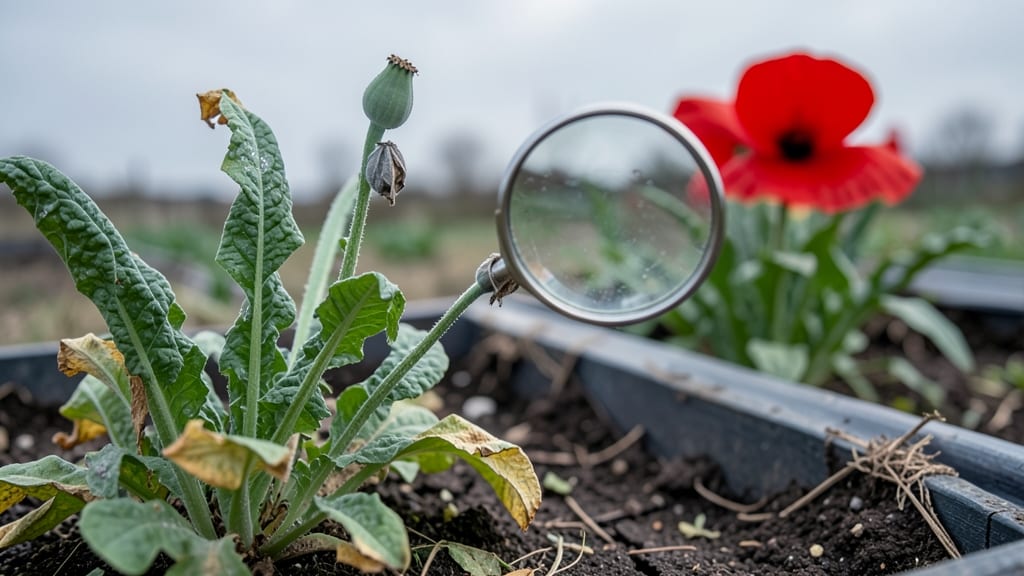
Some flowers never get to bloom and see the day because they’re fighting for survival—not just against pests or poor soil, but against the wrong timing and conditions. 🌱 I’ve watched hardy perennials like coneflowers and lavender put all their energy into just staying alive, leaving nothing for those showstopping blooms.
The secret? Understanding their hidden needs before they even think about flowering.
Most gardeners focus on the wrong things—fertilizer, water, or even sunlight—when the real culprits are often light deprivation, overcrowding, or late planting. A perennial planted too late in the season might not establish roots before winter, forcing it to skip flowering entirely.
Even frost-hardy varieties need a strong start to make it through the cold months and still bloom the next spring.
With the right adjustments, you’ll see those buds forming by early summer. Start by thinning out crowded plants, ensuring they get 6+ hours of sunlight, and feeding them a slow-release fertilizer in early spring.
The payoff? Vibrant blooms that last from June through frost—and plants that actually make it through winter unscathed.
This works for any frost-tolerant perennial, from peonies to Russian sage, whether you’re in a cold climate or just dealing with late-season planting. Let’s turn those struggling stems into next year’s showstoppers.
Hidden Forces That Stunt Growth
Nature has a way of keeping secrets—especially when it comes to flowers that never reach their full potential. While some perennials thrive in frost, others quietly wither before they even bloom. But why?
The answer lies in a mix of environmental stress, biological constraints, and even human interference. Let’s pull back the curtain on the real reasons these flowers never get their day in the sun.
Frost isn’t just a challenge—it’s a life-or-death battle for many plants. When temperatures drop too quickly or stay below freezing for extended periods, cellular damage occurs at a microscopic level. Here’s how it happens:
- Ice Crystal Formation: Water inside plant cells expands as it freezes, rupturing cell walls like a balloon bursting. This is called cryoinjury, and it’s irreversible in delicate species.
- Protein Denaturation: Cold disrupts enzymes and proteins critical for growth. Without these, flowers can’t develop buds or sustain energy production.
- Root Zone Freezing: Even if above-ground parts survive, frozen roots can’t absorb water or nutrients. A plant starved of resources will abort flowering to prioritize survival.
Actionable Fix: Choose perennials with cold hardiness ratings (USDA zones) that match your climate. Mulch heavily in fall (3–4 inches of straw or wood chips) to insulate roots.
Water is the lifeblood of blooms, but imbalances can silently sabotage a plant’s potential. Frost-resilient perennials often face two extremes:
- Drought Stress: Frost can dry out soil faster than you think. When roots can’t access moisture, the plant triggers abscisic acid (a stress hormone) that halts bud development to conserve energy.
- Waterlogging: Poor drainage in cold climates leads to anaerobic conditions (lack of oxygen in roots). This suffocates roots, cutting off nutrient flow and stunting growth.
- Frost Heaving: Soil expanding and contracting with freeze-thaw cycles can uproot shallow-rooted plants, leaving them vulnerable to rot or desiccation.
Actionable Fix:
- Amend soil with organic matter (compost, peat moss) to improve drainage.
- Use drip irrigation with frost sensors to deliver water before a freeze.
- Avoid overwatering in late fall—let soil dry slightly to prevent heaving.
Not all frost-prone areas get equal sunlight. Short growing seasons or long winters can leave perennials light-deprived, which directly impacts flowering. Here’s the science:
- Photoperiod Sensitivity: Many perennials need 12–16 hours of daylight to trigger blooming hormones (florigen). In high-latitude regions, days are too short for some species.
- Albedo Effect: Snow cover reflects up to 90% of sunlight, reducing the energy plants can capture for photosynthesis. This weakens them before they even sprout.
- UV-B Radiation: While UV can damage plants, lack of UV exposure in cloudy, cold climates can also disrupt flowering signals.
Actionable Fix:
- Select short-day or day-neutral perennials (e.g., Helleborus or Astilbe) that bloom regardless of daylight length.
- Use reflective mulches (like white plastic) to bounce light onto foliage during winter.
- Plant in sheltered microclimates (south-facing slopes, near buildings) to maximize sunlight.
Some flowers are simply hardwired to bloom late—or not at all—due to their evolutionary adaptations. Here’s why genetics plays a role:
- Biennial vs. Perennial Traits: Many frost-resistant perennials (like Foxglove) are actually biennials that focus on leaf growth in their first year, saving energy for blooms only in their second year.
- Dormancy Depth: Deep dormancy (a survival strategy) can delay bud break by weeks. Some perennials won’t bloom until after the last frost, risking late-season cuts.
- Hybrid Vulnerabilities: Some cold-hardy hybrids are bred for survival, not floriferousness. Their energy goes into root systems over flowers.
Actionable Fix:
- Research early bloomers (e.g., Crocus, Snowdrops) that push through frost to flower.
- Avoid over-fertilizing in early spring—this can trick plants into leafy growth at the expense of blooms.
- Plant successional bloomers (e.g., Coneflower) to extend your flowering season.
Cold doesn’t just affect plants—it changes the behavior of pests and diseases. Some hidden threats exploit frost-stressed perennials:
- Fungal Infections: Powdery mildew and root rot thrive in damp, freezing conditions. Weakened plants can’t fight off infections, leading to bud blast (where flowers form but never open).
- Insect Overwintering: Aphids, spider mites, and borers often survive frost in plant tissues. They drain sap and lay eggs in buds, preventing blooms.
- Viral Spread: Cold-stressed plants are more susceptible to tobacco mosaic virus or tomato spotted wilt, which can stunt growth entirely.
Actionable Fix:
- Apply neem oil or copper fungicide in early spring as a preventative.
- Remove last year’s debris in late winter to break pest life cycles.
- Introduce beneficial nematodes to target soil-dwelling pests.
Revive & Protect Your Perennials
When frost stunts a flower’s growth before it blooms, the damage isn’t always permanent—but it can be reversed with the right care. Below, we’ll tackle the most common causes of stunted blooms and provide practical, step-by-step solutions to help your perennials thrive.
Think of this as a survival guide for your garden’s unsung heroes.
Cause: Perennials planted too late in the season or exposed to early frost without protection struggle to establish strong roots before dormancy.
How to Revive:
- 🔥 Assess Root Health Gently dig around the base (if safe) to check for soft, mushy roots—a sign of frost damage. Healthy roots should be firm and white or light tan.
- 🌡️ Warm Up the Soil If roots are still viable but chilled, cover the area with black plastic or a thick layer of straw for 2–3 days to raise soil temp by 10–15°F. This jumpstarts root activity.
- 💧 Hydrate Carefully Water lightly (½ inch) every 3–4 days to encourage root regrowth, but avoid soggy soil—fungal rot is a silent killer.
Prevention Tips: ✅ 📅 Plant perennials 6–8 weeks before your first frost to allow root establishment. ✅ 🌿 Use mulch (4–6 inches of shredded leaves or straw) after planting to insulate roots. ✅ 🌡️ Choose cold-hardy varieties (e.g., coneflowers, black-eyed Susans) if your zone has short growing seasons.
Cause: Insufficient light weakens stems and delays blooming. Frost can exacerbate this by slowing photosynthesis.
How to Revive:
- 🔄 Relocate Strategically Move potted perennials to a sunnier spot (6+ hours of direct light). For in-ground plants, trim nearby trees/shrubs to improve light exposure.
- 🌿 Supplement with Grow Lights Use a LED grow light (12–14 hours/day) for 2–3 weeks to boost energy production. Place it 6–12 inches above the foliage.
- 🍃 Prune Smartly Trim yellowed or leggy growth to redirect energy to new blooms. Focus on removing dead stems while leaving healthy buds intact.
Prevention Tips: ✅ 📏 Space plants 18–24 inches apart to prevent overcrowding. ✅ 🌳 Avoid planting under large trees—their shade and root competition stunt growth. ✅ 🌞 Monitor light levels with a light meter (ideal: 5,000–10,000 lux for flowering perennials).
Cause: Frost can crisp leaves or stems, blocking nutrients from reaching buds. If the damage is superficial, recovery is possible.
How to Revive:
- 🧹 Clean Up Debris Remove blackened or mushy leaves with sterilized pruners (dip in rubbing alcohol). Leave healthy foliage to photosynthesize.
- 🛡️ Shield from Wind Frost-damaged plants are vulnerable to windburn. Use burlap screens or windbreaks to protect tender new growth.
- 🍄 Boost Microbial Activity Apply a compost tea or mycorrhizal fungi to the soil to jumpstart nutrient uptake. These microbes help roots absorb water and minerals faster.
Prevention Tips: ✅ 🌡️ Cover plants with frost cloth when temps dip below 28°F. ✅ 💧 Water before frost (moist soil retains heat better than dry soil). ✅ 🌿 Choose late-blooming varieties (e.g., Russian sage, sedum) for zones with early frosts.
Cause: Some perennials (like peonies or hostas) hold buds that never open due to insufficient chilling or hormonal imbalances.
How to Revive:
- ⏰ Trick Them into Blooming Store potted perennials in a garage or unheated shed for 4–6 weeks at 35–45°F to mimic winter chilling. Then, move them back to warm conditions.
- 💊 Use Bloom Boosters Apply a balanced fertilizer (10-10-10) or a phosphorus-rich formula (like bone meal) to encourage flowering. Follow package rates.
- 🌿 Prune for Airflow Thin out congested stems to improve airflow—this reduces stress and signals the plant to focus on blooming.
Prevention Tips: ✅ 🌡️ Plant in well-draining soil to prevent waterlogged stress. ✅ 🌿 Divide clumps every 3–4 years to rejuvenate growth. ✅ 📅 Avoid heavy fertilizing in late summer—it encourages leafy growth over blooms.
Final Pro Tip: 🌟 Patience is key! Some perennials (like lavender or catmint) may take a full season to rebound. Track progress with a garden journal to adjust care as needed. With these steps, even the most stubborn "never-bloomers" can put on a show next year!
Frequently asked questions
Why do some frost-hardy perennials never bloom even after surviving winter?
Many frost-resistant plants prioritize survival over flowering when stressed. If they didn't establish strong roots before winter or faced late-season frost damage, their energy goes toward regrowing leaves rather than producing blooms. Even cold-hardy varieties like coneflowers need 6+ hours of sunlight and proper spacing to trigger flowering hormones.
Can I force dormant perennials to bloom earlier in the season?
Yes! For plants like peonies or hostas, try this trick: Store potted specimens in a cool garage (35-45°F) for 4-6 weeks to mimic winter chilling, then move them to warm conditions. Combine this with a phosphorus-rich fertilizer (like bone meal) to encourage bud formation. Just avoid heavy fertilizing in late summer—it promotes leafy growth instead.
What's the fastest way to revive frost-damaged roots?
Start by warming the soil with black plastic or thick straw mulch for 2-3 days to raise temperatures by 10-15°F. Then water lightly (½ inch every 3-4 days) while avoiding soggy conditions. For extra help, apply compost tea to boost microbial activity in the soil—this helps roots absorb nutrients faster for recovery.
Are there perennials that bloom reliably even in cold climates?
Look for early bloomers like crocus or snowdrops that push through frost, plus successional bloomers such as coneflowers and Russian sage. These varieties are bred to handle short growing seasons. For maximum success, choose plants with USDA zone ratings matching your climate and plant them 6-8 weeks before first frost to establish roots.
How do I know if my plant's buds will open or if they're just not viable?
Healthy buds should feel firm and plump, with a slight green tint underneath. If they're shriveled, brown, or mushy, they're likely dead. For borderline cases, gently peel back petals—if you see green tissue inside, the bloom may still emerge. Remember that some perennials (like foxglove) are biennials and only bloom in their second year after establishing strong roots.