
Blooming
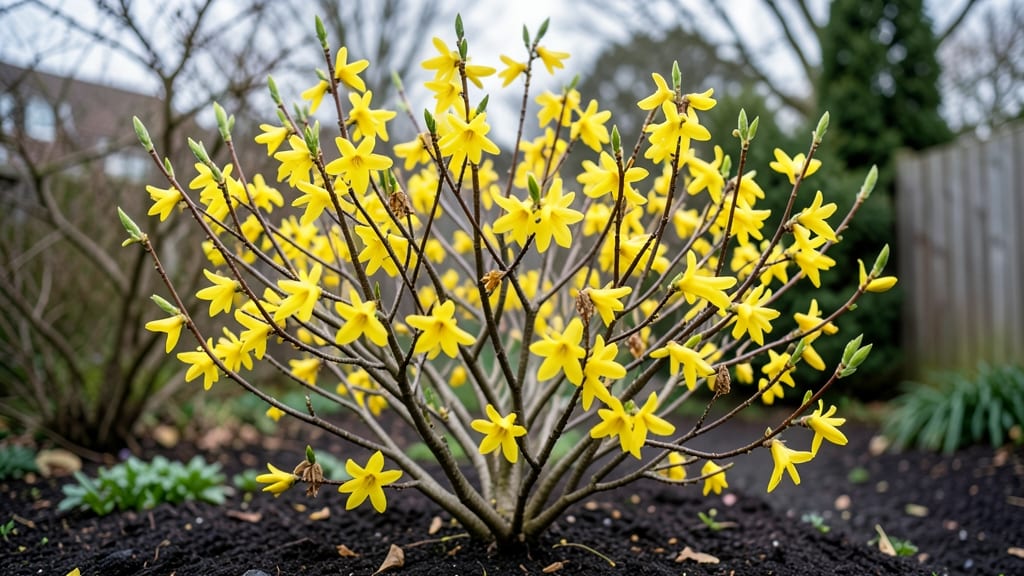
The forsythia bloom time you’ve been waiting for arrives with stunning precision—typically between late March and early April in most of the U.S., but the exact weeks depend on your variety and climate zone.
If you’ve ever wondered why your forsythia’s golden blooms appear at different times each year—or why your neighbor’s shrub flowers weeks earlier—understanding the exact bloom windows by variety and climate zone is the key to perfect timing.
For gardeners in Zone 6a, like many in the Midwest, the show usually starts around mid-March for early varieties like 'Lynwood Gold,' while others may wait until April. Meanwhile, Southern gardeners in Zone 8 might not see those cheerful 🌸 blooms until late April or even May.
Here’s what you’ll discover: how to predict your forsythia’s bloom time down to the week, how pruning and sunlight can shift those dates, and the simple tricks to ensure your shrub puts on its best display year after year.
When forsythia blooms by variety: exact weeks to expect golden flowers
Forsythia’s vibrant yellow blooms signal spring’s arrival, but not all varieties bloom at the same time. Some early bloomers like 'Lynwood Gold' burst into color 2–3 weeks sooner than standard types, while others linger into late spring.
Understanding these week-specific bloom windows helps you plan pruning, enjoy peak color, and even select varieties for staggered displays.
Bloom timing depends on genetics, climate, and sunlight. In USDA Zone 6 (like much of the Midwest), most forsythias bloom between late February and early April. However, cooler zones (4–5) may see flowers 4–6 weeks earlier, while warmer zones (8–9) can delay blooms by 3–5 weeks.
Let’s break down the exact weeks for popular varieties.
🌸 Pro Tip: Early bloomers often produce more flowers per branch because they bloom on old wood (last year’s growth). Late bloomers may have fewer flowers but extend your season.
| Variety | Bloom Time (USDA Zone 6) | Notes |
|---|---|---|
| 'Lynwood Gold' | Late February – Mid-March | Early bloomer; most profuse flowers |
| 'Spectabilis' | Mid-March – Early April | Standard type; reliable bloomer |
| 'Densiflora' | Early April – Mid-April | Compact; longer bloom duration |
| 'Fornix' | Late March – Early April | Weeping habit; staggered blooms |
| 'Courtacloche' | Mid-April – Late April | Late bloomer; darker yellow flowers |
| Forsythia suspensa | Early March – Mid-March | Asian species; earliest bloomer |
| Forsythia ovata | Late March – Early April | Dwarf type; smaller flowers |
If you’re in Zone 4 or colder, expect blooms to arrive 2–4 weeks earlier than the table above. For example, 'Lynwood Gold' might burst into bloom by mid-February. In Zone 8 or warmer, blooms can delay until late March or April, especially if winters are mild.
Sunlight plays a crucial role too. Forsythias in full sun (6+ hours/day) typically bloom 1–2 weeks earlier than those in partial shade. If your shrub is in shade, consider pruning nearby trees to improve light exposure for next year’s blooms.
For staggered color, plant a mix of early and late varieties. Pair 'Lynwood Gold' (late February) with 'Courtacloche' (mid-April) to enjoy golden flowers for 6+ weeks. This also extends your pollinator season, attracting bees and butterflies longer into spring.
🌱 Did You Know? Forsythias bloom on old wood, meaning flowers form on branches from the previous year. Heavy pruning after blooming removes next year’s flower buds. Always prune immediately after flowers fade to encourage new growth for the following season.
Watch for environmental stressors that can delay blooms, like drought stress or over-fertilizing with nitrogen. A balanced 10-10-10 fertilizer in early spring (after pruning) supports both flower production and healthy foliage.
To advance bloom time, plant varieties like 'Lynwood Gold' or Forsythia suspensa in south-facing locations with reflective surfaces (like light-colored walls) to maximize sunlight. For delayed blooms, choose late varieties or provide partial afternoon shade.
Forsythia bloom time by USDA climate Zone: adjusting expectations for your region
Your forsythia’s bloom timing shifts dramatically depending on where you live. In USDA Zone 4, those cheerful yellow clusters often burst forth 4–6 weeks earlier than in Zone 7, while Zone 9 gardeners may see blooms delayed by 3–5 weeks.
These differences aren’t random—they’re tied to temperature cues and daylight exposure that trigger dormancy release and flower buds to open.
For example, my Zone 5 forsythia typically blooms in mid-March, while a friend in Zone 8 reports hers doesn’t appear until late April. Microclimates—like a sunny south-facing wall or sheltered valley—can further shift bloom windows by 1–2 weeks.
Understanding these patterns helps you time pruning, adjust sunlight, and even predict next year’s display.
| USDA Zone | Avg. Bloom Window | Key Temperature Cue | Adjustment Tip |
|---|---|---|---|
| Zone 4 | Late Feb–Early March | 30–35°F night temps | Prune immediately after blooming to encourage next year’s early flowers. |
| Zone 5–6 | Mid–Late March | 40–45°F night temps | Move to full sun (6+ hours) to advance blooms by 1 week. |
| Zone 7 | Early–Mid April | 50–55°F night temps | Delay pruning until June to push blooms later in spring. |
| Zone 8–9 | Late April–Early May | 55–60°F night temps | Plant in partial shade to delay blooms by 2 weeks. |
To advance blooms in cooler zones, prune right after flowering and ensure your shrub gets 6+ hours of sunlight. In warmer zones, delay pruning until June to force later blooms.
I’ve found that Zone 6 forsythias respond well to a light spring fertilizer (10-10-10), which can jumpstart growth and slightly earlier blooming.
Microclimates also play a role. A south-facing wall can warm the soil enough to trigger blooms 1–2 weeks earlier than the surrounding area. Conversely, northern exposures or shaded spots may delay blooms by the same margin.
Pay attention to where your forsythia thrives—this tells you how to optimize its location for the best display.
If your forsythia blooms later than expected, check for over-fertilizing (too much nitrogen delays flowers) or root-bound stress. Prune back 1/3 of old wood in late winter to encourage fresh growth and rejuvenate blooming.
With these adjustments, you can fine-tune your forsythia’s timing to match your garden’s schedule—whether that means earlier spring color or extended summer interest.
🌸