
Blooming
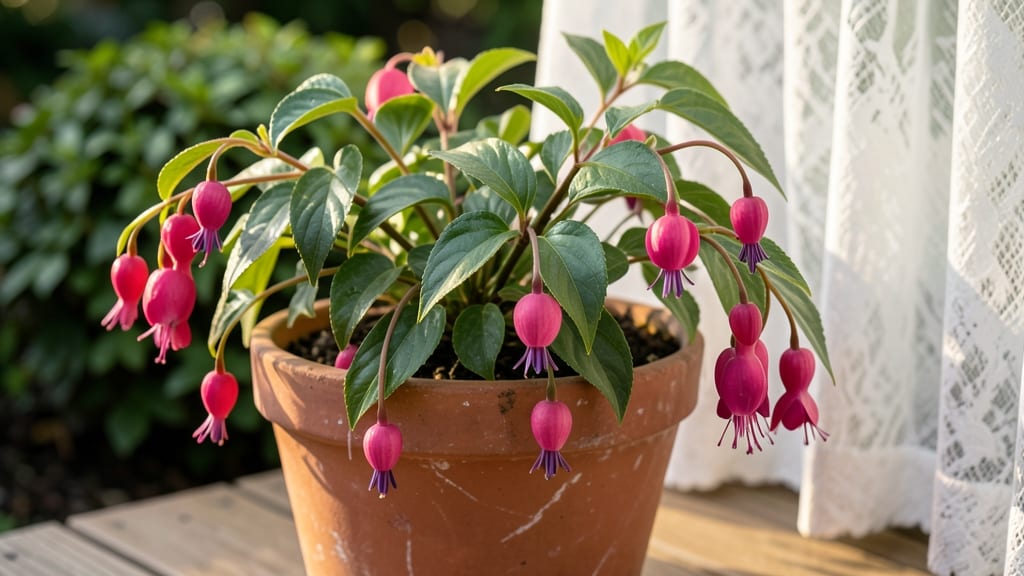
Your fuchsias bloom time is all about timing—whether you're in Zone 6a or a warmer region, knowing when to expect those 🌸 cascades of color can make or break your garden's seasonal show.
Picture this: You've spent weeks nurturing your fuchsias, only to wonder why they're not blooming when they should be. The truth? Their bloom schedule hinges on variety, sunlight, and even how you prune them—details most gardeners overlook until it's too late.
In cooler climates like Zone 6a, fuchsias typically burst into bloom from June through October, while tropical varieties can flower year-round with the right care. The key? Understanding your specific variety's habits and adjusting for your local climate.
Below, I’ll break down exactly when to expect those stunning flowers, how to extend their bloom time, and the 3 biggest mistakes that keep fuchsias from flowering their best—so you can plan your garden's most vibrant moments with confidence.
Fuchsia bloom time by variety: when to expect flowers
Fuchsias are famous for their dramatic, hanging blooms that add colorful drama to gardens and containers. But not all varieties bloom at the same time—some burst into spring color, while others re-bloom year-round in warm climates.
The key to planning your garden lies in understanding these variety-specific bloom windows and how they align with your local climate.
Hardy fuchsias like Fuchsia magellanica thrive in cooler regions, while tender varieties such as Fuchsia ‘Giant Marble’ need protection from frost. Even within the same category, bloom times can shift based on pruning habits, light exposure, and soil conditions.
Let’s break down what to expect from your favorite fuchsias and how to extend their flowering season.
🌸 Did You Know? Some fuchsias, like Fuchsia ‘Lady Boothby’, can produce two bloom cycles per year—once in spring and again in fall—if given the right care.
| Variety | Bloom Season | Reblooming Habit | Hardiness Zone | Key Care Tip |
|---|---|---|---|---|
| Fuchsia magellanica | Late spring to early fall | Single bloom cycle | Zones 6-10 | Prune after frost for spring blooms |
| Fuchsia ‘Giant Marble’ | Summer to frost | Year-round in warm zones | Zones 9-11 | Deadhead regularly for continuous blooms |
| Fuchsia ‘Lady Boothby’ | Spring and fall | Two bloom cycles | Zones 8-10 | Pinch back in early summer to encourage fall blooms |
| Fuchsia ‘Thalia’ | Late summer to frost | Single bloom cycle | Zones 7-10 | Provide afternoon shade in hot climates |
| Fuchsia ‘Becky’ | Summer to early fall | Year-round in containers | Zones 9-11 | Fertilize monthly for prolific blooms |
The hardiest fuchsias, like Fuchsia magellanica, are the first to bloom in spring, often as early as April or May in USDA Zone 6 and earlier in warmer zones.
These varieties are perennial in mild climates and will return year after year with minimal care. Their bell-shaped flowers dangle elegantly, attracting hummingbirds and adding vertical interest to garden beds.
For tender varieties such as Fuchsia ‘Giant Marble’, bloom time shifts later in the season—typically June through October—but they can continue flowering year-round if grown as potted plants and brought indoors during winter. These fuchsias thrive in containers and are perfect for balcony gardens or patio displays.
If you’re growing Fuchsia ‘Lady Boothby’, you’re in for a treat with two bloom cycles: once in spring and again in fall. To encourage this reblooming habit, I recommend pinching back the plant in early summer.
This pruning trick redirects energy from leaf growth to flower production, ensuring a second flush of blooms when temperatures cool.
One common misconception is that fuchsias bloom only once per season. While many varieties follow this pattern, proper deadheading and fertilization can extend the bloom time significantly.
Climate zones and Fuchsia bloom timing: adjusting for your region
Your USDA hardiness zone is the secret to unlocking your fuchsias' full bloom potential. In cool climates (zones 3–6), these beauties typically burst into color from late spring to early summer, while warm climates (zones 7–10) can enjoy year-round or fall-winter blooms.
The key difference? Frost risk and temperature ranges that trigger dormancy or continuous growth.
For gardeners in zones 3–5, frost is the ultimate bloom timer. Most fuchsias go dormant in winter, with blooms appearing after the last frost (usually May–June). In zones 6–7, you’ll see spring and fall blooms, while zones 8–10 often enjoy year-round flowering if protected from extreme heat.
In zones 3–5, I’ve found that hardy varieties like Fuchsia magellanica thrive with early spring planting after the last frost. These plants often produce their first blooms by June or July, with a second flush in late summer if you deadhead spent flowers.
The trick? Mulch heavily in fall to protect roots from freezing temperatures.
For zones 6–7, the reblooming habit of fuchsias like ‘Giant Marble’ makes them garden superstars. These plants typically bloom from May through October, with peak color in summer months.
To extend their season, I prune back 1/3 of the plant in early spring and fertilize lightly every 4–6 weeks during growing months.
Gardeners in zones 8–10 have the advantage of year-round blooms with proper care. However, heat stress can cause fuchsias to drop buds or flowers. My solution? Provide afternoon shade and keep soil consistently moist. In these zones, I also avoid heavy pruning in winter
Remember, microclimates matter! Even within a zone, your fuchsias might bloom earlier in sheltered spots or later in exposed areas. Pay attention to your plants' cues—they’ll tell you exactly when they’re ready to flower! 🌸