
Blooming
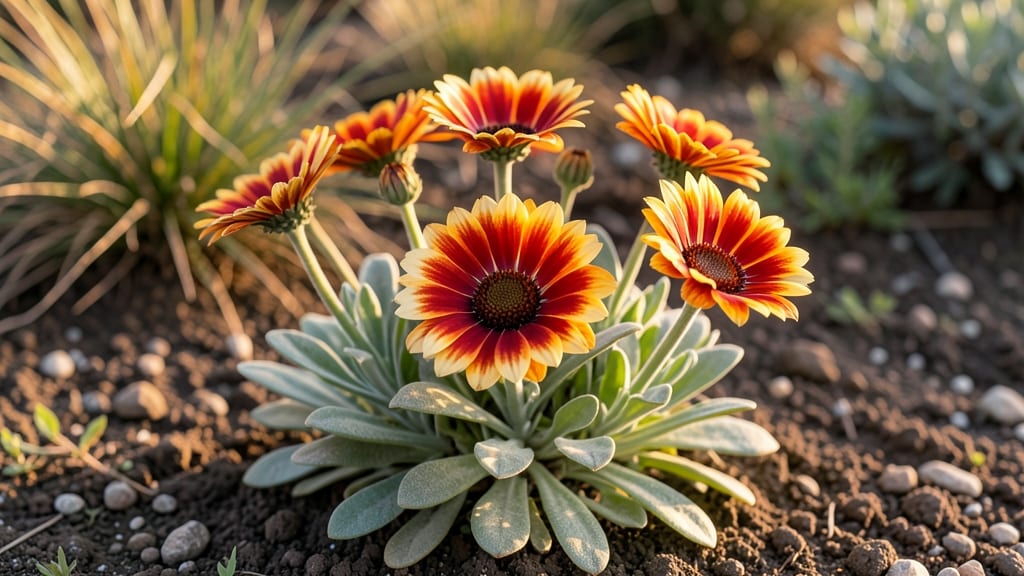
The gazania bloom time thrives when triggered by heat and sunlight, typically unfolding their vibrant petals from June through September once temperatures climb above 65°F.
Gazanias burst into vibrant blooms only when conditions are just right—too much shade or a sudden frost can send them into dormancy faster than you can say "sun lover."
In USDA Zone 6a, where spring arrives in April, planting after the last frost (around April 15) sets the stage for their first 🌼 display by early summer. But here’s the catch: these sun-worshippers close up tight when clouds roll in, only to reopen when the sun returns.
Want to stretch their bloom time? I’ll show you how to time watering, prune for regrowth, and even coax a second flush of flowers before fall frost hits. Let’s make your garden a gazania paradise.
How heat and sunlight trigger gazania bloom cycles
Gazanias are famous for their sun-triggered blooms that open wide during daylight and close at night—a behavior called nyctinasty. This response is hardwired into their photoperiodic DNA, meaning they need specific light and temperature cues to enter their peak flowering phase.
When you provide the right conditions, your gazanias will reward you with months-long blooms from early summer through fall.
The key to unlocking gazania blooms lies in two critical factors: 6+ hours of direct sunlight and temperatures between 65–95°F. These plants are sun worshippers—they won’t bloom reliably if shaded, even for part of the day.
I’ve seen gazanias in containers on my patio thrive with morning sun and afternoon shade, but their blooms were sparse compared to those basking in full sun all day.
Here’s how sunlight and heat work together to trigger blooming:
| Factor | Optimal Range | Effect on Blooms |
|---|---|---|
| Sunlight | 6+ hours direct sun | Triggers flower bud formation and maintains vibrant colors |
| Temperature | 65–95°F (18–35°C) | Accelerates metabolic processes for rapid bloom development |
| Day Length | 10+ hours daylight | Stimulates continuous flowering in summer months |
| Drought Stress | Moderate water reduction | Can extend bloom season in some varieties by 2–4 weeks |
| Soil Temperature | 60°F+ (15°C+) | Encourages root activity and nutrient uptake for blooms |
Your gazanias follow a biological clock that responds to these conditions. When temperatures drop below 60°F at night, blooming slows dramatically. I’ve noticed my Gazania rigens varieties nearly stop producing flowers when nighttime temps fall into the 50s—even with full sun during the day.
Interestingly, some gazania varieties actually bloom longer when subjected to mild drought stress. This isn’t true for all types, but drought-tolerant varieties like Gazania krebsii often reward gardeners with extended flowering when watered less frequently.
The trick is to let the soil dry out between waterings while ensuring roots stay moist enough to prevent stress. Overwatering can actually shorten bloom time by promoting leafy growth over flowers.
For container gazanias, I’ve found that terracotta pots help regulate soil moisture better than plastic, allowing for that perfect balance of dryness that triggers prolonged blooming. Just be sure to place containers in well-draining soil mixes—gazanias hate soggy roots, which can cause root rot and halt flowering entirely.
One common mistake I see is assuming gazanias will bloom immediately after planting. In reality, they need 4–6 weeks of optimal conditions before they’ll produce their first flowers.
During this time, focus on keeping them in bright, sunny locations and avoiding heavy fertilization, which can encourage leaf growth at the expense of blooms.
Pro tip: If your gazanias start looking leggy or sparse, it’s often a sign they’re not getting enough light. Move them to a sunnier spot immediately—within 7–10 days, you’ll typically see new flower buds forming as they adjust to better conditions.
🌼
Gazania frost recovery: step-by-step survival guide
When temperatures plunge below 32°F, your gazanias will retreat into dormancy like hibernating animals—but with the right care, they can bounce back stronger than ever.
These sun-loving perennials (in warmer zones) or annuals (in colder climates) shut down their blooms to conserve energy, but frost damage doesn’t have to mean game over.
First, understand that gazanias are tender perennials in USDA Zone 6 and colder. A light frost may only cause wilting leaves, while prolonged cold can kill the plant entirely. The key is acting quickly before ice forms and knowing when to prune versus when to wait for regrowth.
⚠️ Critical Frost Alert for Gazanias
Bloom time warning: Gazanias typically bloom from June to September, but a single frost can delay or halt flowering for 2-4 weeks as the plant recovers. In Zone 6 and colder, treat them as annuals—they won’t survive winter outdoors. For Zones 7-10, mulch heavily to protect roots.
Action step: If frost is forecasted, cover plants with frost cloth by 4 PM the day before—this buys them 2-3°F extra protection.
Start by inspecting your gazanias the morning after a frost. If leaves are blackened but stems remain firm, the plant may still recover. If stems are mushy or discolored, it’s likely dead.
For surviving plants, wait 1-2 weeks before pruning—this gives them time to assess damage and redirect energy to new growth.
Once you’ve confirmed recovery, trim dead foliage at the base using sterilized pruners. Cut back to healthy green tissue—this encourages new shoots from the crown. Avoid heavy pruning; gazanias are low to the ground and regrow slowly from their base.
Water lightly (just enough to keep soil moist) for the first 7-10 days post-pruning.
After pruning, shift your focus to soil and sunlight. Gazanias need full sun (6+ hours daily) to rebound, but their roots are sensitive to overwatering now. Let the top 1-2 inches of soil dry out between waterings.
Add a 1-inch layer of mulch around the base (but not touching stems) to insulate roots and retain moisture.
With proper care, your gazanias will push out new growth in 3-4 weeks and resume blooming by late spring or early summer. If you’re in a warmer zone (7-10), they may even rebloom in fall before the next frost.
For colder climates, treat them as annuals and replant next spring—your efforts will pay off with vibrant blooms all season!