Blooming
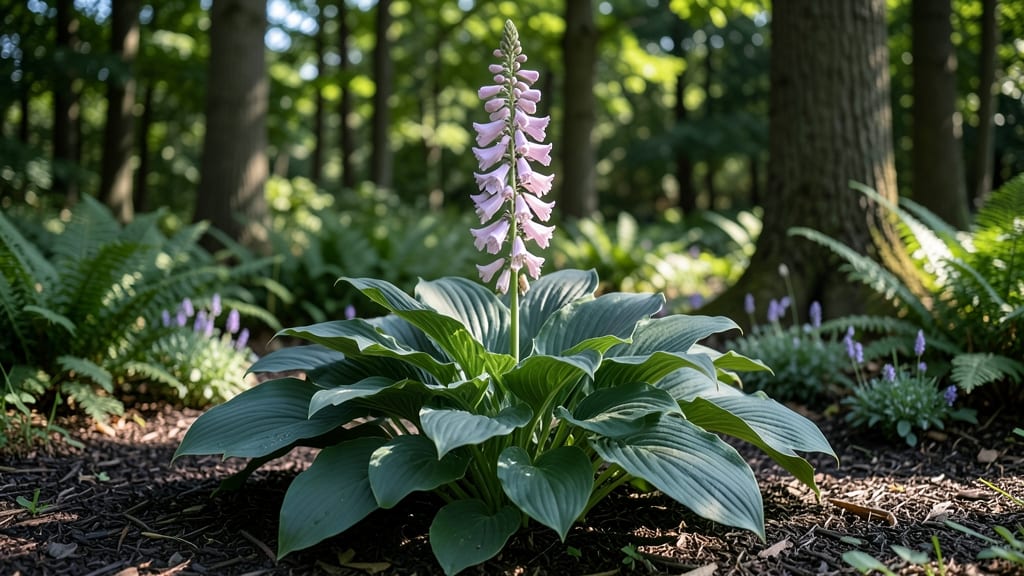
Hostas bloom in late summer, with flower spikes appearing between July and September depending on variety and climate — and knowing the exact timing can help you plan for their stunning displays.
Wondering why your hostas aren’t blooming—or when to expect those stunning flower spikes? Hosta bloom time varies drastically by variety and climate, and knowing the exact months can transform your garden planning.
For example, 'Blue Angel' hostas often bloom earlier in Zone 6a, while 'Francee' varieties may wait until late August. The key is understanding how sunlight, soil, and even your local frost dates influence when those delicate blooms appear.
Below, I’ll break down the bloom windows by popular varieties, share how to adjust for your hardiness zone, and reveal the simple tricks—like deadheading and proper sunlight—to encourage healthier, more abundant blooms every year.
When do hostas bloom? Exact months by popular variety
Hostas are prized for their stunning foliage, but their delicate lavender or white flower spikes add a magical touch to shady gardens. The bloom time varies dramatically by variety—some burst into flower as early as late May, while others wait until August.
Understanding these differences helps you plan for seasonal interest and even attract pollinators like bees and hummingbirds to your garden.
Most hostas bloom for just 4-6 weeks, but a few varieties produce reblooming flowers later in the season. The key factors influencing bloom time include your USDA hardiness zone, local climate, and whether your hostas receive enough morning sunlight.
For example, 'Francee' thrives in cooler zones and blooms earlier, while 'Blue Angel' may delay its flowers in hotter climates.
| Variety | Bloom Time | Flower Color | Height (ft) | Notes |
|---|---|---|---|---|
| 'Francee' | Late May - Early June | Pale lavender | 1.5 | Early bloomer, fragrant |
| 'Blue Angel' | Mid-June - July | White | 2.5 | Reblooms in fall, drought-tolerant |
| 'Halcyon' | Early June - Late June | Pale lavender | 1 | Compact, great for borders |
| 'Guacamole' | Late June - Early July | White | 1.2 | Variegated foliage, slow grower |
| 'Patriot' | Mid-July - August | Lavender | 2 | Bold foliage, late bloomer |
| 'June' | Early July - August | White | 2.5 | Fragrant, tall spikes |
| 'Blue Mouse Ears' | Late June - Early July | Pale lavender | 0.8 | Dwarf variety, early bloomer |
| 'Royal Standard' | Mid-July - Late July | White | 3 | Classic variety, large blooms |
| 'Francee' (Rebloom) | September - October | Pale lavender | 1.5 | Fall rebloom, extends season |
How hardiness Zones affect hosta bloom time (and how to adjust)Your hosta bloom time isn’t just about the variety—it’s heavily influenced by your USDA hardiness zone. In colder zones like Zone 3 or 4, hostas often bloom 2-3 weeks later than in warmer climates like Zone 8 or 9. This shift happens because chilly springs delay growth, while milder winters allow earlier flowering. Understanding these patterns helps you adjust planting times and care strategies for peak blooms every season. Late frosts are another bloom time villain, especially in Zones 5-7. A surprise frost in May can nip flower buds before they open, leaving you with lush foliage but no blooms. Meanwhile, in Zones 9-11, hostas may bloom as early as April, while northern gardeners might not see flowers until July. The good news? Microclimates and smart planting can shift these timelines in your favor. 🌱 Zone-Specific Hosta Bloom Adjustments
💡 Pro Tip: Use black plastic mulch in cold zones to warm soil and coax earlier blooms.
To advance bloom time, focus on microclimates. South-facing slopes or walls absorb heat, creating a warmer niche perfect for hostas in Zones 4-6. I’ve seen 'Halcyon' hostas bloom 3 weeks early when planted near a brick wall. In Zones 9-11, provide afternoon shade to prevent heat stress, which can delay or reduce blooming. Even a 10°F difference in soil temperature can shift bloom timing by 2-4 weeks. Don’t overlook soil temperature—hostas need soil to reach 50°F before active growth begins. In Zone 3, this might not happen until late May, while Zone 9 soils hit this mark by March. Test your soil with a soil thermometer ($10 at garden centers) to track progress. If your soil stays cold, consider container growing with heat mats for earlier blooms. For reblooming varieties like 'Guacamole' or 'Patriot', deadhead spent flowers in Zones 5-9 to encourage a second flush. In colder zones, skip this step—energy is better spent on root establishment for next year’s blooms. Always fertilize with low-nitrogen (5-10-10) in early spring to support flower production without excessive foliage growth. Remember: patience pays off. Hostas in Zones 3-4 may take 2-3 years to establish and bloom, while Zones 8-11 varieties often flower in their first season. Adjust your expectations based on your zone, and use these tips to fine-tune bloom timing for a garden that thrives year after year. 🌿 |