
Blooming
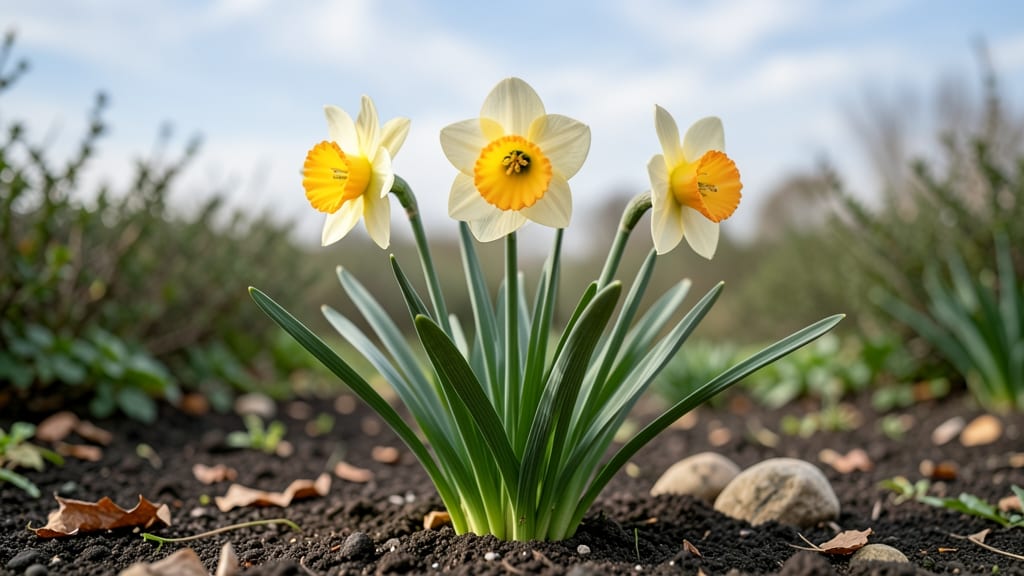
Daffodils typically bloom for 2 to 3 weeks each spring, with their most vibrant display lasting 7 to 10 days at peak. Varieties and growing conditions determine the exact timing, while some late-blooming or reblooming types may extend this window.
Understanding this timeline helps you plan your garden's seasonal highlights. 🌼 The initial burst of color happens when temperatures stabilize in early spring, with cooler nights actually prolonging the bloom period.
I've noticed that well-drained soil and consistent moisture during this time can push some varieties to stay in bloom for up to 4 weeks, though the most intense color display usually lasts just that 7-10 day peak window.
This is why gardeners often plant multiple varieties—early bloomers like 'Tête-à-Tête' give way to later types like 'Ice Follies' for extended seasonal interest.
What's particularly interesting is how reblooming cultivars work their magic. These special varieties store energy differently, allowing them to produce a second, though shorter bloom cycle in summer.
The trade-off? They often require more careful maintenance, including deadheading spent blooms and specific fertilization schedules to encourage this second flush of flowers.
💡 In This Article
- Factors Affecting Daffodil Bloom Duration
- Maximizing Daffodil Blooms: Pruning and Post-Bloom Care
Factors affecting daffodil bloom duration
The genetic makeup of daffodils plays the biggest role in determining bloom length. Early varieties like 'Tête-à-Tête' often peak within 7-9 days but may stay visually appealing for 2-3 weeks as buds gradually open.
Late bloomers such as 'Ice Follies' can extend this to 3-4 weeks, though their peak intensity typically lasts just 10-14 days. The difference lies in their flowering mechanisms—early bloomers prioritize rapid bud development in cooler spring conditions, while late varieties store more energy for prolonged display.
Temperature fluctuations create the most dramatic variations. Daffodils thrive when daytime temperatures hover between 50-65°F and nights stay above 40°F. If temperatures spike above 75°F during bloom, flowers may wilt within 3-5 days due to accelerated respiration.
Conversely, cooler conditions slow metabolic processes, allowing buds to open more gradually. I've observed that in coastal regions with moderate temperatures, daffodils often maintain vibrant blooms 20-30% longer than inland gardens where heat arrives earlier.
Soil health directly impacts bloom duration through nutrient availability. Well-drained soil rich in organic matter provides consistent moisture without waterlogging, which can shorten bloom time by 1-2 weeks. The key nutrients are phosphorus (for root development) and potassium (for flower production).
A soil test revealing phosphorus levels below 30 ppm can reduce bloom duration by up to 40%, while balanced fertilization can extend it by 10-15 days. The secret lies in applying a 5-10-10 fertilizer (nitrogen-phosphorus-potassium ratio) in early spring before buds form.
Light exposure matters too—daffodils need 6-8 hours of direct sunlight daily to maintain bloom vigor. Partial shade can reduce flowering duration by 25-30% by slowing photosynthesis. However, too much afternoon sun in hot climates can cause buds to open prematurely, shortening the peak display by 3-5 days.
The ideal balance creates what botanists call "controlled stress"—enough light for energy production but not so intense that it triggers early senescence (aging).
Watering practices create subtle but significant differences. Deep watering once weekly (1-1.5 inches per week) during bloom maintains turgor pressure in petals, while shallow watering leads to 10-15% shorter bloom times. The critical period is when buds first appear—consistent moisture here can extend bloom duration by 7-10 days.
Overwatering, however, causes root suffocation and can cut bloom time by 20% by promoting fungal diseases that weaken stems.
One fascinating exception occurs with reblooming cultivars like 'Dutch Master' or 'St. Keverne'. These varieties store carbohydrates in their bulbs during summer and fall, allowing them to produce a second, though shorter bloom cycle (typically 7-10 days) in late summer.
The trade-off is that first-year blooms may be 10-15% shorter** than non-reblooming types, as energy is diverted to future flowering. This dual-flowering phenomenon requires precise care—skipping deadheading or using high-nitrogen fertilizers can completely inhibit the second bloom.