
Blooming
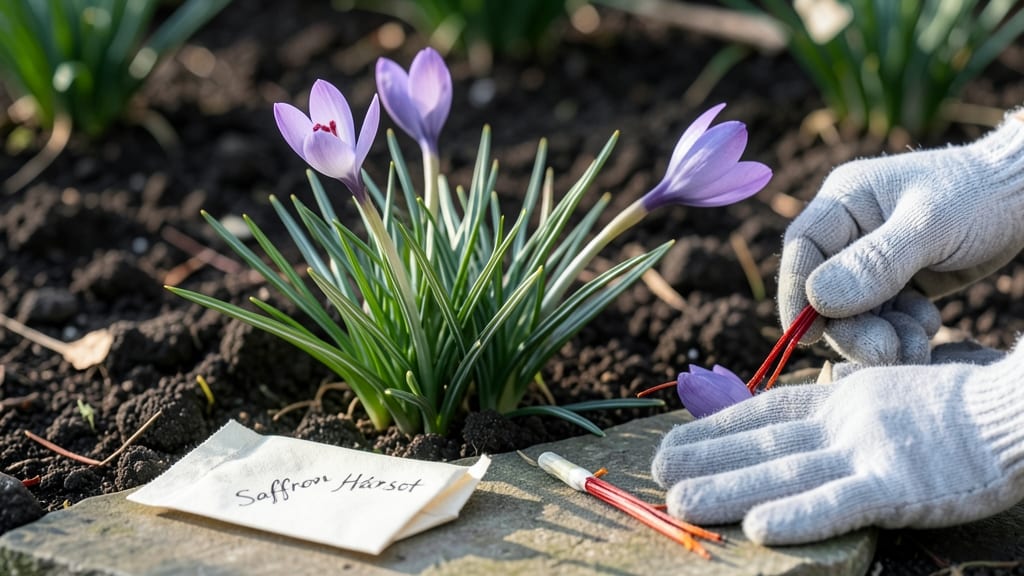
Blooming saffron threads starts with patience and the right conditions—this isn’t a fast crop, but the payoff is worth it. 🌿 I’ve grown saffron for years, and the secret to those vibrant purple stigmas lies in mimicking the Mediterranean climate where it thrives.
Too much heat or cold, and your crocus plants will either bolt or refuse to flower. But get it right, and you’ll harvest threads that release three times the flavor in warm water.
The key is soil that drains like a desert but holds just enough moisture—think sandy loam mixed with compost. Plant corms in fall, 4-6 inches deep in full sun, and let them go dormant through summer heat.
Water lightly during dormancy, then resume in early autumn when temperatures dip below 70°F. The first sign of success? Those bright purple blooms peeking through the soil in late fall.
Once flowers appear, harvest threads within hours of opening—they’re most potent then. Gently twist the stigmas from each flower (you’ll need about 75 for ½ teaspoon of saffron) and dry them in a dark, airy space for 2 weeks.
The aroma alone will make your kitchen smell like a Persian bazaar, but the real magic happens when you steep them in warm water for tea or infuse them into dishes.
Common mistakes? Overwatering in summer (it’ll rot your corms) or rushing the harvest (wet threads mold). But with these steps, you’ll go from bare soil to saffron gold in just a few months. The first time you taste your homegrown threads, you’ll never buy store-bought again.
📚 In This Guide
- What you need
- Instructions
- Tips and common mistakes
- Wrapping up and next steps
What you need
- ● Saffron threads: 1/4 to 1/2 teaspoon (about 10–20 strands; adjust based on recipe size). Pro tip: Buy high-quality, organic saffron—it’s worth the investment! 💡
- ● Warm water: 1/4 cup (60ml). Key spec: 160–170°F (70–77°C)—hot enough to wake up the flavor but not boiling (or you’ll scorch it!). ☕️
- ● Small bowl or ramekin (for blooming).
- ● Fine-mesh strainer or cheesecloth (to filter out threads post-blooming).
- ● Whisk or spoon (for gentle stirring).
- ● Timer (saffron blooms in 5–10 minutes—set it and forget it!). ⏱️
- ● Pinch of salt (enhances flavor extraction).
- ● 1 tsp neutral oil (like olive or vegetable)—bloom saffron in oil for richer, deeper results in dishes like risotto or aioli. 🧂
- ● Food processor or mortar & pestle (if you want to crush bloomed saffron into a paste for sauces).
Step-by-Step instructions for harvesting saffron threads
Here's how to coax the most vibrant color and rich aroma from your saffron threads—no fancy tools needed.
💧 Step 1: Warm the Water to the Perfect Temperature
Fill a small bowl with ½ cup warm water—not hot, not cold, but warm enough that you could comfortably hold your hand in it for 10 seconds. I like to use a thermometer for the first few times to get the feel: aim for 160-170°F. If you don't have one, just tap a drop on your wrist—it should feel pleasantly warm, not scalding.
This warmth is critical. Cold water leaves threads dull and bitter, while boiling water burns the delicate stigmas and washes away flavor. Think of it like waking up saffron from a nap—gentle heat is what makes it stretch and release its magic.
🌿 Step 2: Add the Threads and Let Them Bloom
Place ¼ teaspoon saffron threads (about 10-12 threads) into the warm water. Let them soak for 10-15 minutes—don't rush this. You'll see them unfurl like tiny orange flowers, releasing their vibrant color into the water. This is the moment that matters: the threads should look plump and expanded, not shriveled or clumped.
Real talk: if they sink immediately, your water's too cold. If they float like rubber bands, it's too hot. They should settle gently, suspended in the liquid. Stir them once halfway through soaking for even blooming.
⏰ Step 3: Strain and Use Immediately
After soaking, strain the threads using a fine-mesh sieve or clean coffee filter. Press gently on the threads with a spoon to extract every last drop of color—don't squeeze hard, or you'll release bitter compounds. The strained liquid should be a stunning golden-orange, not murky or cloudy.
Use the bloomed saffron immediately in recipes. The color and flavor fade within 24 hours, even refrigerated. I like to add it to warm dishes like risotto or paella right after straining—this is when saffron shines brightest.
🌱 Step 4: Store the Used Threads for Later
Rinse the drained threads under cold water to remove excess salt or seasoning, then pat them dry with a paper towel. Spread them on a clean plate or parchment paper in a single layer. Let them air-dry completely—this takes 1-2 hours—before storing them in an airtight container in your fridge.
Here's the thing—dried used threads still have flavor, just less intense. I keep them in a small jar labeled "second-use saffron" for soups or marinades where deep color isn't critical. They'll last 3-4 months this way, though they'll lose potency over time.
Tips & tricks for perfect saffron infusion
A few simple techniques that'll transform your saffron from ordinary to extraordinary.
Water Temperature Secret: That 160-170°F range in Step 1 is your sweet spot—any hotter and you'll cook the delicate stigmas, any cooler and they'll stay stubbornly closed. I've learned the hard way that even a 10°F difference makes a noticeable impact on flavor extraction. For extra precision, use a kitchen thermometer the first few times to train your wrist's sensitivity.
Blooming Behavior: In Step 2, watch those threads like a hawk! They should unfurl like little orange flowers within the 10-15 minute soak. If they sink immediately, your water's too cold—give it another 5-10 seconds in slightly warmer water. If they float like rubber bands, they're overheated. The perfect bloom looks plump and slightly curled, not limp or shriveled.
Storage Wisdom: After Step 4, don't stack those dried threads—they'll clump and lose potency faster. Spread them in a single layer on parchment paper and let them air-dry completely before storing. I've found that used threads stored this way retain about 60% of their original flavor for those second-use applications like soups or marinades.
Pro Tips for Bloom Saffron Threads
- A few simple techniques that'll transform your saffron from ordinary to extraordinary.
- Water Temperature Secret: That 160-170°F range in Step 1 is your sweet spot—any hotter and you'll cook the delicate stigmas, any cooler and they'll stay stubbornly closed.
- Blooming Behavior: In Step 2, watch those threads like a hawk!
Frequently asked questions
Got questions about blooming saffron? You’re not alone—this delicate spice can be tricky! Here are answers to the most common concerns to help you get the best flavor every time.
Why does blooming saffron matter?
Blooming saffron threads in warm water unlocks their vibrant color, aromatic oils, and complex flavors. Without blooming, you risk a bitter taste and muted hue. Think of it as waking up the spice’s full potential—like a deep breath for your dish!
How long should I bloom saffron threads?
For optimal flavor, steep 1 teaspoon of saffron threads in ¼ cup warm water (not boiling!) for 10–15 minutes. Stir occasionally to release the oils. Over-steeping (beyond 20 minutes) can turn the water bitter, so time it right!
Can I use cold water instead of warm?
Cold water works in a pinch, but it extracts far less flavor and color. Warm water (around 160°F/70°C) opens the threads’ cells, releasing their precious aroma and pigments. If you’re short on time, a quick 5-minute warm soak is better than nothing—but warm water is the gold standard!
What if my bloomed saffron water looks cloudy or gritty?
Cloudiness or grit usually means low-quality saffron or impurities. High-quality threads should yield a bright orange-red liquid with no sediment. If yours is murky, strain it through a fine sieve or cheesecloth before using. For future batches, buy saffron from reputable sources (look for "saffron crocus" labels).
Can I reuse bloomed saffron water?
While the water retains some flavor, reusing it can make your dish taste flat or overly concentrated. Instead, use the infused water directly in soups, risottos, or sauces—it’s liquid gold! For recipes needing precise measurements, measure the water after blooming to avoid dilution errors.
What if I don’t have time to bloom saffron?
No worries! If you’re in a rush, crush the threads lightly with a mortar and pestle or pinch them between your fingers, then add them directly to hot (not boiling) oil or broth. You’ll still get flavor, though blooming maximizes color and aroma. Pro tip: Use it early in cooking to preserve its essence.
Are there alternatives to blooming saffron?
If you’re out of saffron, try turmeric (for color) + a pinch of cinnamon or nutmeg (for warmth), but nothing replicates saffron’s floral, honey-like depth. For a budget-friendly option, safflower threads mimic the look but lack the flavor—blooming them won’t help! Stick with the real deal for authentic results.
Wrapping up and next steps
Blooming saffron threads in warm water is your golden ticket to unlocking their bold, aromatic magic—no waste, no fuss! 🌟 The secret lies in patience and precision: just a pinch of threads, a splash of water, and a few minutes to steep.
Now that you’re armed with this simple trick, your dishes will sing with depth and warmth.
Ready to elevate your cooking? Start experimenting with bloomed saffron in risottos, teas, or even cocktails—let your creativity bloom too! 🌱 And if you loved this tip, share it with fellow flavor enthusiasts or dive deeper into saffron’s other culinary wonders.