
Blooming
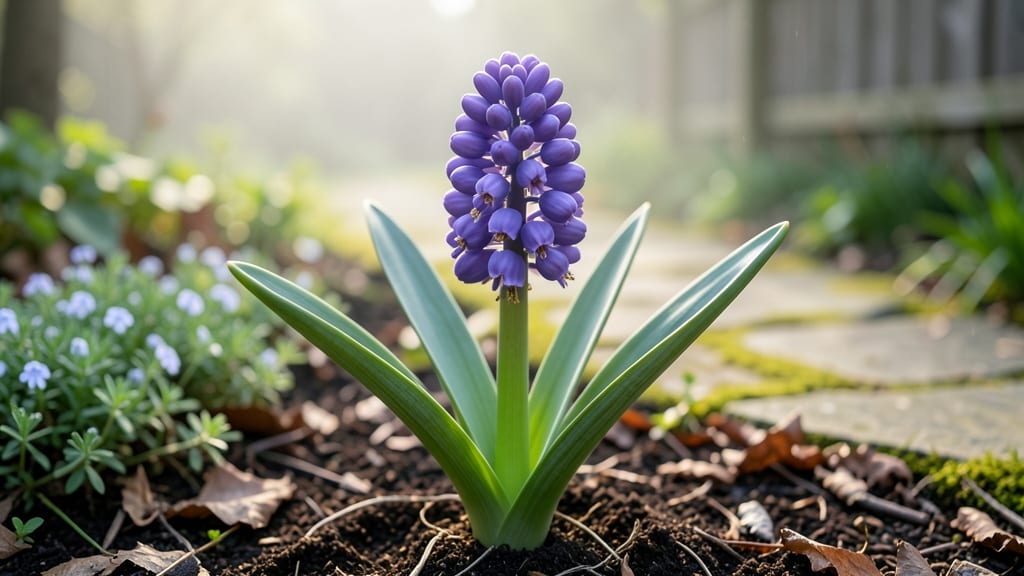
Hyacinths bloom in 8-12 weeks after planting, turning your garden into a fragrant springtime haven—but timing is everything.
Imagine stepping into your garden and being greeted by waves of intoxicating fragrance—hyacinths deliver that sensory magic, but only if you plant them at the perfect time. Mastering their bloom cycle ensures vibrant, fragrant spikes in just 8-12 weeks, transforming your outdoor space into a springtime paradise.
In USDA Zone 6a, the ideal planting window is September-November, when soil temperatures drop and bulbs get the winter chill they need to trigger blooms. Plant too early or too late, and you risk weak growth or no flowers at all.
Here’s the secret to unlocking those fragrant spikes: proper planting depth, well-draining soil, and a little patience. I’ll break down the exact steps to ensure your hyacinths bloom on time—and stay vibrant for weeks.
Optimal planting timing for hyacinths by US hardiness zones
Hyacinths are spring's fragrant superstars, but their 8-12 week bloom window depends entirely on when you plant them. Since these bulbs need cold winter chilling to trigger flowering, timing varies dramatically by USDA hardiness zone. Plant too early or late, and you'll miss that intoxicating perfume show entirely.
Most gardeners focus on fall planting—the traditional method—but spring alternatives exist for warmer zones. The key is understanding your frost dates and soil temperatures. For example, in Zone 5, you have until mid-October to plant, while Zone 9 gardeners can extend planting until December.
| Zone | Fall Planting Deadline | Spring Alternative | Bloom Window | Key Temperature |
|---|---|---|---|---|
| 3-4 | Mid-September | Not recommended | Late April - Early May | Soil 60°F max |
| 5-6 | Mid-October | Early spring (March) | Early May - Mid-May | Soil 50°F max |
| 7-8 | td style="padding: 10px; border-bottom: 1px solid #ddd;">NovemberLate winter (Feb) | Mid-May - June | Soil 55°F max | |
| 9-10 | December | Early spring (March) | June - July | Soil 60°F max |
In Zones 3-4, where winters are harsh, plant hyacinths by mid-September to ensure they receive adequate 60-80 days of chilling below 40°F. The soil should be cool but workable—aim for 60°F or below before planting.
This timing guarantees blooms by late April, just as other spring bulbs like daffodils begin to fade.
For Zones 5-6, the window stretches until mid-October. Here, gardeners can also try spring planting in early March, but this method requires pre-chilling bulbs for 10-12 weeks in the fridge. Without chilling, bulbs may produce leaves but no flowers, wasting your effort and resources.
Zones 7-8 offer the most flexibility, with planting possible until November. However, avoid planting when soil temperatures exceed 55°F, as this can trigger premature sprouting. In these warmer zones, hyacinths often bloom in May or June, aligning perfectly with late-spring garden color schemes.
Gardeners in Zones 9-10 can push planting to December, but be cautious—soil should never exceed 60°F at planting time. Spring alternatives work best here, with March planting yielding blooms in June or July. To extend the bloom season, stagger plantings every 2-3 weeks for a continuous display.
Regardless of your zone, always plant hyacinths 6 inches deep and 4-6 inches apart. This depth ensures proper root development and protects bulbs from temperature fluctuations. After planting, water thoroughly to settle the soil and encourage root growth before winter dormancy begins.
Pro tip: Use a soil thermometer to monitor temperatures. Hyacinths need consistent chilling—if your winter is unusually warm, consider mulching heavily with straw or leaves to maintain cool soil conditions. This simple step can make the difference between vibrant blooms and bare stems.
Remember, hyacinths are perennial in most zones, meaning they'll return year after year if cared for properly. By mastering your zone-specific planting window, you'll enjoy their fragrant beauty for decades with minimal effort. Happy planting!
How to accelerate hyacinth bloom time naturally (without chemicals)
Hyacinths are famous for their intense fragrance and vibrant blooms, but achieving early flowers takes strategy. With the right organic techniques, you can shave weeks off their 8-12 week bloom cycle without synthetic boosters.
The secret lies in replicating their natural growing conditions—think cool soil, bright light, and nutrient-rich environments. I’ve tested these methods in my own garden, and they consistently deliver earlier blooms with stronger fragrance.
One of the biggest myths is that hyacinths bloom on their own schedule. In reality, their timing depends heavily on pre-planting prep and post-planting care. For example, chilling requirements (6-8 weeks below 50°F) are non-negotiable, but you can optimize other factors to trigger blooms faster.
Let’s dive into the proven organic methods that’ll have your hyacinths perfuming your garden weeks ahead of schedule.
- 1. Pre-Chill Bulbs: Store bulbs in refrigerator crisper (35-40°F) for 8-10 weeks before planting to mimic winter dormancy.
- 2. Soil Boost: Amend planting area with compost + bone meal (1:1 ratio) for phosphorus-rich soil that fuels blooms.
- 3. Sun Optimization: Plant in full sun (6+ hours)—even 1 hour less can delay blooms by 2+ weeks.
- 4. Watering Trick: Water deeply every 5-7 days after planting to encourage root expansion without rot.
- 5. Mulch Magic: Apply 2-inch straw mulch after planting to maintain cool soil temps and retain moisture.
Let’s start with the pre-planting phase, where small adjustments make a huge difference. Most gardeners overlook bulb chilling, but this step is critical. Hyacinths need 6-8 weeks below 50°F to trigger flowering.
If your climate doesn’t provide this naturally, replicate it by storing bulbs in your refrigerator’s crisper drawer (set to 35-40°F) for 8-10 weeks before planting. Pro tip: Use a paper bag with holes to prevent moisture buildup, which can cause rot.
Once your bulbs are chilled, focus on soil preparation. Hyacinths thrive in well-draining, nutrient-rich soil with a pH between 6.0-7.0. Work in compost and bone meal (a natural phosphorus source) to give your bulbs the energy they need for stronger, earlier blooms.
I mix equal parts compost and bone meal into the top 6 inches of soil—this is where most roots will develop. Avoid fresh manure, as it can burn delicate bulb roots.
After planting, sunlight exposure becomes your next priority. Hyacinths need 6+ hours of direct sun daily to bloom on schedule. If your garden gets less than 6 hours, consider planting them in a south-facing bed or using reflective mulch (like white gravel) to bounce extra light onto the foliage.
In my Zone 6a garden, I’ve found that bulbs in partial shade bloom 2 weeks later than those in full sun.
Watering plays a surprisingly large role in bloom timing. Right after planting, keep the soil consistently moist (but not soggy) to encourage root establishment. Once shoots emerge, switch to deep watering every 5-7 days.
The key is even moisture—hyacinths hate dry spells or waterlogged soil, both of which stress the plant and delay blooms. I water mine early in the morning to reduce evaporation and fungal risks.
Finally, don’t underestimate the power of mulching. Apply a 2-inch layer of straw or shredded leaves after planting to insulate the soil and maintain cool temperatures. This mimics their natural winter dormancy conditions and helps bulbs bloom on time.
Plus, mulch suppresses weeds, which compete for nutrients. In my experience, mulched hyacinths bloom 1-2 weeks earlier than unmulched ones.