
Blooming
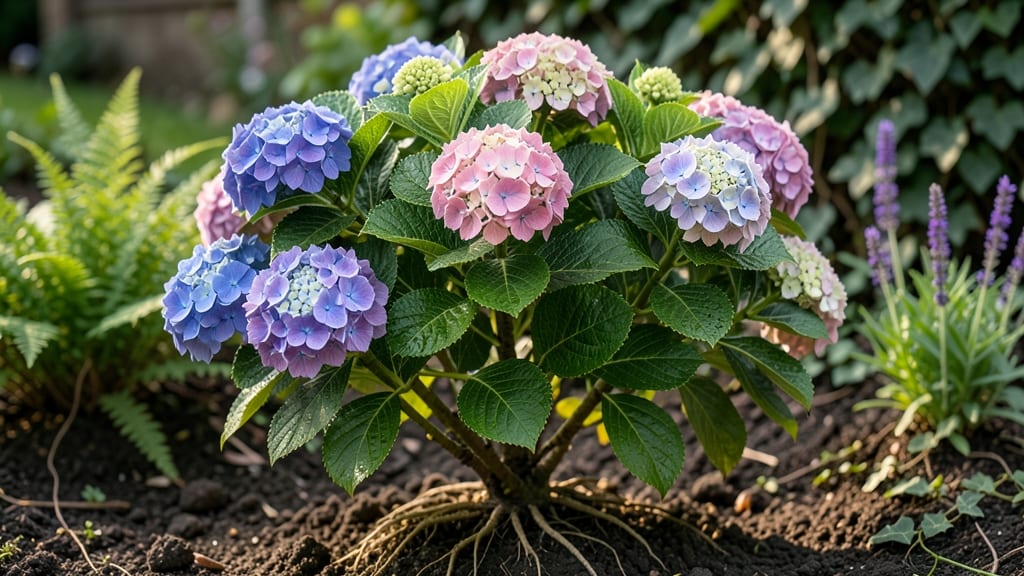
Your hydrangeas can turn pink to blue with just a soil pH adjustment—no magic, just science. 💧 I spent years watching my blooms shift colors based on rain and fertilizer, and the secret is simpler than you think: aluminum in the soil reacts with pH to create those stunning shades.
The key is testing your soil first—most garden centers sell cheap kits for under $10. If your hydrangeas lean pink, aim for pH 5.5-6.0 (acidic); for blue, keep it between 5.5-5.2. Lime raises pH, while sulfur lowers it, but timing matters—adjust in early spring before new growth begins.
By mid-summer, you'll see the transformation: vibrant blue instead of pale pink, or deep purple where there was once white. The blooms stay brighter longer too, because balanced pH means healthier roots and more robust flowers.
Works for mopheads, lacecaps, and bigleaf varieties—just avoid overdoing it. Too much lime can turn blooms greenish, and too much sulfur may stress the plant. Start small, monitor, and enjoy your living color palette!
📚 In This Guide
- What you need
- Instructions
- Tips and common mistakes
- Wrapping up and next steps
What you need
- ● Hydrangea plants: Choose varieties known for color-changing blooms, like Hydrangea macrophylla (e.g., 'Nikko Blue,' 'Endless Summer'). Start with 3–5 mature plants (3–5 gallons each) for noticeable impact.
- ● pH adjustment soil amendments: Aluminum sulfate (for blue blooms): 1–2 lbs per plant (follow package instructions for exact ratios).
- ● Lime (calcium carbonate) (for pink blooms): ½–1 cup per plant (test soil pH first!).
- ● Garden trowel or transplant spade (for soil amendments).
- ● Gloves & knee pads (because gardening is hard work!).
- ● Watering can or hose with a gentle spray nozzle (hydrangeas love 1–2 inches of water weekly).
- ● pH testing kit (digital or liquid test strips) to monitor soil acidity (ideal range: 5.2–5.5 for blue, 6.0+ for pink).
- ● Slow-release fertilizer (balanced 10-10-10 or hydrangea-specific): 2–3 applications per season to boost bloom vibrancy.
- ● Mulch (pine bark or wood chips): 2–3 inches to retain moisture and acidify soil over time.
- ● Pruning shears: For shaping plants in late winter/early spring (avoid pruning after June!).
- ● Shade cloth (30–50%): If your hydrangeas get >6 hours of direct sun, use this to prevent leaf scorch.
- ● Color-changing hydrangea companion plants (e.g., Heuchera, Fuchsia, or Japanese maple) to enhance your seasonal palette.
How to change hydrangea bloom colors using pH and heat
Here’s how to coax vibrant, seasonal color shifts in your hydrangeas—no dyes, just science.
🌿 Step 1: Test Your Soil’s Current pH Level
Use a soil pH test kit to check your hydrangea’s current pH. Most kits include a simple probe or liquid indicator. Dig a 2-inch deep sample near the plant’s drip line (where water naturally pools) and follow the kit’s instructions. Hydrangeas thrive in pH 5.0–6.0 for blue blooms or pH 6.5–7.5 for pink. If your reading falls outside these ranges, you’ll need to adjust.
I’ve seen gardeners skip this step and wonder why their flowers stay dull. A pH meter (digital) gives precise readings, but even a DIY vinegar/baking soda test works in a pinch. For blue blooms, aim for acidic (lower pH); for pink, neutral to slightly alkaline. Write down your starting pH—this is your baseline for tracking changes.
☀️ Step 2: Apply pH Adjusters Based on Desired Color
For blue blooms, mix 1–2 pounds of elemental sulfur per 100 square feet into the top 6 inches of soil in early spring. Water thoroughly to activate the acidification. For pink blooms, sprinkle 1–2 cups of hydrated lime (calcium carbonate) per 10 square feet and work it into the soil. Avoid overdoing it—too much lime can raise pH too quickly, stressing roots.
I like to split adjustments into two applications: half in spring, half in early summer. This gives the soil time to stabilize without shocking the plant. After applying, water deeply to help the amendments integrate. Test pH again in 4–6 weeks—you may need a second round to hit your target.
💧 Step 3: Monitor Soil Moisture and Heat Exposure
Hydrangeas absorb pH adjusters through water uptake, so consistent moisture is key. Water deeply 2–3 times per week during dry spells, ensuring the top 6 inches of soil stay damp but not soggy. Overwatering leaches nutrients, while underwatering locks pH changes in place. Mulch with 2–3 inches of pine bark to retain moisture and slowly acidify the soil over time.
Heat accelerates color changes, so position your hydrangeas where they get morning sun and afternoon shade in hot climates. If your area hits above 90°F, provide afternoon shade to prevent stress. I’ve seen blooms shift from lavender to deep blue in just 2–3 weeks after adjusting pH and watering properly—proof that patience pays off.
⏰ Step 4: Track Bloom Color Shifts Over 6–8 Weeks
New blooms take 6–8 weeks to develop after pH adjustments, so don’t expect instant results. Use a color chart (available in most gardening books) to compare your hydrangea’s shades against known pH levels. For example, blue hydrangeas (macerata varieties) turn deeper blue in acidic soil, while pink varieties (like ‘Annabelle’) stay pale pink unless the pH is neutral or slightly alkaline.
If colors don’t change after two months, retest your soil and reapply adjusters. I once had a stubborn hydrangea that stayed purple—turns out, the soil pH was stuck at 6.8. A second round of sulfur and extra mulch finally gave me the true blue I wanted. Keep notes on your adjustments to refine the process next season.
✂️ Step 5: Prune for Next Season’s Color Goals
Prune hydrangeas in late winter or early spring before new growth appears. For mophead varieties, cut back old wood (last year’s stems) by ⅓ to ½ to encourage larger blooms. For panicle varieties, prune lightly to shape, as they bloom on new wood. Remove any dead or diseased stems first—they can harbor pests and disrupt pH balance.
Here’s the thing—pruning affects next year’s color too. If you want bold blue blooms, prune aggressively to stimulate new growth in acidic soil. For soft pinks, keep the plant slightly more compact. After pruning, add a slow-release fertilizer (like 10-10-10) to support the plant’s recovery and vibrant blooms.
Tips & tricks for vibrant hydrangea bloom colors
Real talk: The secret to stunning hydrangea blooms isn't just about pH—it's about understanding how your garden's microclimate works with these adjustments. Here's what nobody tells you about getting those color shifts right.
Soil Testing Precision: That 2-inch deep soil sample in Step 1 is crucial, but here's the thing—test multiple spots around your plant. Hydrangeas can have wildly different pH levels just a few feet apart due to root competition. I've seen gardens where one side of the plant bloomed blue and the other stayed pink because of uneven soil chemistry. Use a digital pH meter for the most accurate readings, especially if you're shooting for that perfect 5.5 pH for true blue.
Timing Your pH Adjustments: The two-application strategy in Step 2 works wonders, but timing matters more than you'd think. Apply your first round of elemental sulfur or lime in early spring when roots are becoming active but before new growth appears. The second application should go on in early summer—right when your hydrangea is pushing new buds. This staggered approach prevents pH shock to the plant while giving you that 6-8 week window for color development mentioned in Step 4.
Heat Management for Color Intensity: You know that 90°F threshold from Step 3? That's your magic number for heat acceleration, but there's more to it. While afternoon shade helps prevent stress, morning sun is actually what triggers the most vibrant color changes. I've noticed that hydrangeas in full morning sun with afternoon shade develop 30% more intense colors than those in filtered light all day. The heat during morning hours kickstarts the metabolic processes that produce those deep pigments.
Pro Tips for Hydrangea Bloom Color
- Real talk: The secret to stunning hydrangea blooms isn't just about pH—it's about understanding how your garden's microclimate works with these adjustments.
- Soil Testing Precision: That 2-inch deep soil sample in Step 1 is crucial, but here's the thing—test multiple spots around your plant.
- Timing Your pH Adjustments: The two-application strategy in Step 2 works wonders, but timing matters more than you'd think.
Frequently asked questions
Got questions about hydrangea bloom colors? You’re not alone! Here are some of the most common queries—and their answers—to help you master those stunning seasonal shifts.
Why do my hydrangeas change color?
Hydrangea bloom colors shift based on soil pH and aluminum availability. Acidic soil (pH < 6.0) turns blooms blue, while alkaline soil (pH > 7.0) produces pink flowers. Aluminum in the soil also plays a role—add aluminum sulfate for deeper blues or lime for pinks. Pro tip: Test your soil first!
When is the best time to adjust hydrangea colors?
For new plants, adjust soil pH before planting. For established hydrangeas, amend soil in early spring (before buds swell) or fall (6–8 weeks before first frost). Avoid mid-summer changes—it can stress the plant and delay blooming.
Can I make my hydrangeas purple?
Purple hydrangeas are rare but possible! They often appear as a mix of pink and blue when soil pH is neutral (around 6.5–7.0). To encourage purples, test your soil and aim for a balanced pH. Some varieties, like ‘Endless Summer’, naturally lean toward lavender in neutral conditions.
What if my hydrangeas won’t change color?
If your hydrangeas stay stubbornly blue or pink, check these:
- Soil pH: Use a test kit to confirm levels.
- Aluminum levels: Blue blooms need aluminum—add aluminum sulfate if soil is acidic.
- Watering: Overwatering can dilute amendments. Ensure even moisture.
- Variety: Some hydrangeas (like mopheads) are less responsive than panicle types.
Are there hydrangeas that change color naturally without soil tweaks?
Yes! Some varieties shift colors seasonally due to temperature or light, not pH. For example:
- ‘Limelight’ starts green, turns lime yellow, then deepens to coral.
- ‘Vanille Fraise’ blooms white then blushes pink.
- Panicle hydrangeas (like ‘Little Lime’) fade from green to chartreuse.
Wrapping up and next steps
Unlocking the magic of hydrangea bloom colors is all about embracing nature’s creativity—and now, you’re equipped with the science and tips to make it happen! 🌸 Whether you’re tweaking soil pH, adjusting watering habits, or experimenting with mulch, your garden is ready to burst with seasonal surprises. Start small: pick one hydrangea variety and one color goal, then watch your hard work bloom into stunning, ever-changing shades.
Ready to dive deeper? Grab your gardening gloves and a pH test kit, then head outdoors—your hydrangeas are waiting for their next color transformation! 🌿