
Blooming
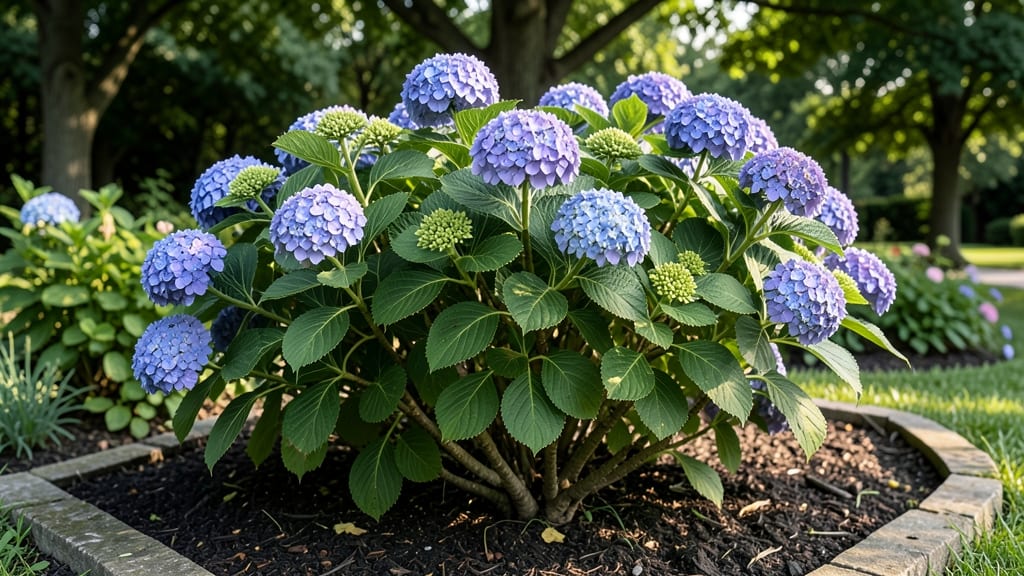
Hydrangeas bloom in late spring through summer, but the exact timing depends on your variety and where you live — and yes, pruning can stretch that vibrant show by weeks.
If your hydrangeas are putting on a brief, dazzling show before fading into green, you’re missing out on months of color. The secret? Pruning at the right time for your specific type — mopheads and lacecaps need one approach, while oakleaf and panicle varieties follow a different schedule.
In USDA Zone 6a, like much of the Midwest, most hydrangeas start budding in early May, with peak blooms arriving in June and July.
But with the right cuts, you can push that window later into summer or even early fall, turning a fleeting display into a season-long highlight.
Below, I’ll walk you through how to time your pruning, which blooms to cut back (and which to leave alone), and the simple tricks to keep your 🌸 hydrangeas thriving longer — no guesswork required.
When and why hydrangeas bloom: understanding your variety’s natural cycle
Hydrangeas are famous for their show-stopping blooms, but not all varieties follow the same schedule. Some burst into color in early summer, while others wait until late summer or fall.
Understanding your hydrangea’s natural bloom cycle is key to maximizing its seasonal display—and avoiding costly pruning mistakes. The wrong cut can mean losing next year’s flowers entirely!
Your climate zone also plays a huge role. In USDA Zones 5-7, hydrangeas often bloom later than in warmer southern regions. For example, mophead hydrangeas in Zone 6 might not open until July or August, while oakleaf varieties can start as early as June.
Let’s break down the bloom timing for each type and how to work with—not against—nature.
| Variety | Bloom Time | Pruning Time | Key Notes |
|---|---|---|---|
| Mophead (Bigleaf) | Late summer to fall | Late winter/early spring | Blooms on old wood—prune after flowering |
| Lacecap (Bigleaf) | Late summer to fall | Late winter/early spring | Blooms on old wood—avoid heavy pruning |
| Oakleaf | Early to mid-summer | Late winter/early spring | Blooms on old and new wood—light pruning OK |
| Panicle | Mid to late summer | Late winter/early spring | Blooms on new wood—prune aggressively in dormancy |
| Smooth | Late summer to fall | Late winter/early spring | Blooms on old wood—prune after flowering |
If you’re growing mophead or lacecap hydrangeas, their late-summer blooms form on last year’s growth (called old wood). Pruning these varieties in late winter risks cutting off next year’s buds before they even form.
That’s why I always wait until after they’ve finished blooming in fall or early winter to trim them back. This ensures I don’t accidentally remove next season’s flowers.
On the flip side, panicle and oakleaf hydrangeas are far more forgiving. These early to mid-summer bloomers produce flowers on new wood, meaning you can prune them anytime in late winter without worrying about losing blooms.
In fact, aggressive pruning in dormant season encourages bushier growth and even more flowers. My panicle hydrangea in Zone 7 blooms from July to September because I prune it back hard every year in February.
Your local climate also shifts bloom timing. In warmer southern zones (8-10), hydrangeas often bloom earlier and may even produce a second flush of flowers in fall. Meanwhile, in cooler northern zones (4-6), blooms can be delayed until late July or August.
I’ve seen oakleaf hydrangeas in Zone 5 start blooming in June, while the same variety in Zone 8 might not open until May. Pay attention to your last frost date—hydrangeas need consistent warmth to trigger blooming.
One of the biggest mistakes I see is over-pruning late bloomers. If you cut back a mophead hydrangea in spring thinking it’s dead, you’ll be left with no flowers that summer. Always check for dormant buds at the base of stems before reaching for your pruners.
These buds are your future blooms, and they’re often hidden beneath last year’s foliage. A quick inspection in early spring can save you from a bloomless season.
For extended bloom time, focus on
The right pruning cuts to extend hydrangea bloom time by 4-6 weeks
Pruning hydrangeas at the wrong time can turn your 4-week bloom show into a 1-week spectacle. The key to extending those vibrant blooms lies in understanding your specific hydrangea variety and timing cuts precisely.
For mophead and lacecap varieties, late summer pruning encourages next year’s flowers, while panicle and oakleaf types bloom on old wood and need winter pruning. Let’s dive into the exact cuts that will keep your hydrangeas flowering for months.
Timing is everything. If you prune mophead hydrangeas too late, you risk cutting off next year’s buds. Meanwhile, panicle types thrive when pruned back hard in late winter or early spring.
The secret to 4-6 extra weeks of blooms? Mastering these variety-specific pruning techniques. I’ll walk you through each type step-by-step, so you can avoid common mistakes that shorten bloom time.
⚠️ Critical Pruning Mistake
Pruning mophead or lacecap hydrangeas after July 15 removes next year’s flower buds! These varieties bloom on old wood, so late-summer cuts mean no blooms the following season. Always prune these types in late winter or early spring.
For mophead and lacecap hydrangeas, prune in late winter (just before new growth starts) or early spring. Cut back 1/3 of the oldest stems to the ground each year. This encourages vigorous new growth and larger blooms.
Use clean, sharp pruners and make cuts at a 45-degree angle just above a bud or leaf node. Avoid cutting into the center of the plant, as this reduces airflow and invites disease.
If you have panicle or oakleaf hydrangeas, the rules change. These varieties bloom on new wood, so you can prune them anytime—even after they’ve finished flowering. In late winter, cut back 1/2 to 2/3 of the plant to encourage fuller growth and longer bloom time.
For panicle types, you can even prune in early summer to shape the plant without sacrificing blooms, as they’ll produce flowers on new growth.
To extend bloom time, deadhead spent flowers in late summer—but only for panicle and oakleaf types. For mophead and lacecap, leave the seed heads until spring to protect next year’s buds.
Always wear gloves when pruning, as hydrangea leaves can irritate sensitive skin. After pruning, apply a balanced fertilizer (like 10-10-10) to support new growth and longer-lasting blooms.
Pro tip: Mark your pruning calendar with these key dates:
- Late winter (Feb-March): Prune mophead/lacecap types
- Early spring (April): Prune panicle/oakleaf types
- Late summer (Aug-Sept): Deadhead panicle/oakleaf only
Remember, the angle of your cut matters too. Always slice at a 45-degree angle about 1/4 inch above a bud. This prevents water from pooling on the stem, reducing the risk of rot and fungal diseases.
Pair your pruning with mulch around the base of the plant to retain moisture and keep roots cool. With these techniques, your hydrangeas will reward you with months of color instead of just a fleeting summer show.