
Blooming
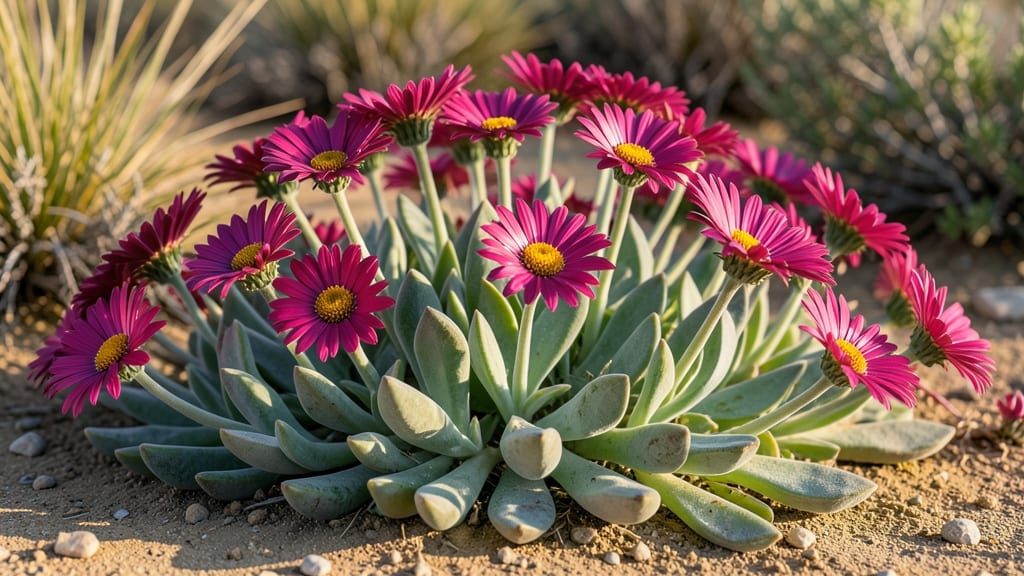
Ice plants bloom in late spring to early summer, with some varieties like Delosperma lighting up gardens from May through July—but timing shifts dramatically by region and care.
If you’ve ever wondered why your ice plant’s vibrant flowers seem to vanish overnight—or when to expect that stunning burst of color again—timing is everything. These drought-loving beauties follow precise seasonal cues, and knowing the exact months for first and repeat blooms can turn your garden into a nonstop show.
Most ice plants bloom once per year, but with the right tricks—like deadheading spent flowers and adjusting sunlight—you can coax a second round in late summer.
Coastal areas may see blooms stretch into June or even August, while inland deserts might push them earlier, around April or May.
Below, I’ll break down the exact bloom windows for top varieties, how to extend their season, and the one care mistake that kills repeat flowers—so you never miss another Delosperma 🌸 spectacle.
When do ice plants first bloom: seasonal timing by variety
Ice plants (Delosperma and Lampranthus) are prized for their vibrant spring blooms, but their first flowering time varies dramatically by variety and climate.
In USDA Zone 7b, most ice plants kick off their initial bloom between late February and early April, while coastal regions may see flowers as early as January. Understanding these seasonal patterns helps you plan your garden for maximum impact.
For desert climates like Arizona or Nevada, ice plants often bloom earlier—sometimes as soon as December—thanks to longer daylight hours and warmer winter temperatures. Meanwhile, cooler coastal areas (e.g., California’s North Coast) might delay blooms until March or April.
The key factor? Daylight exposure—ice plants rely on 10+ hours of light to trigger flowering.
| Variety | First Bloom Time (USDA 7b) | Coastal Adjustment | Desert Adjustment | Bloom Duration |
|---|---|---|---|---|
| Delosperma cooperi | Late February | March (1-2 weeks later) | January (3-4 weeks earlier) | 4-6 weeks |
| Lampranthus spectabilis | Early March | April (3-4 weeks later) | December (6-8 weeks earlier) | 6-8 weeks |
| Delosperma nubigenum | Mid-March | May (6-8 weeks later) | February (4-6 weeks earlier) | 3-5 weeks |
| Lampranthus aurantiacus | Late April | June (8+ weeks later) | January (12+ weeks earlier) | 8-10 weeks |
If your ice plant isn’t blooming on schedule, light exposure is often the culprit. These plants thrive in full sun—6-8+ hours daily—but partial shade can delay flowering by 2-4 weeks.
For container-grown ice plants, move them to a south-facing window or outdoor patio in late winter to boost daylight hours. A grow light (12+ hours/day) can also trigger early blooms indoors.
Temperature plays a secondary role in bloom timing. Most ice plants prefer daytime temps between 60°F and 75°F for optimal flowering.
In hotter climates (e.g., Zone 9+), blooms may appear later due to heat stress, while cooler zones (e.g., Zone 5) might see delayed or reduced blooms if temps drop below 50°F. Mulching with gravel or pebbles helps regulate soil temps and encourages consistent blooming.
Pro tip: Deadhead spent blooms immediately after flowering to stimulate repeat blooms. This simple step can extend your ice plant’s display by 4-8 weeks, especially for long-blooming varieties like Lampranthus spectabilis.
Just snip off faded flowers with clean pruners, leaving 1-2 inches of stem to prevent leggy growth.
For second blooms, watch for new flower buds forming in late summer. This fall rebloom is most common in warmer climates and can last until October or November.
To encourage it, reduce watering slightly in early fall and avoid heavy fertilization, as too much nitrogen promotes leafy growth over flowers.
In USDA Zone 6 or colder, ice plants may require winter protection to bloom reliably. Use rock mulch or burlap wraps to insulate roots during freezing nights. Even a light frost can damage emerging buds, so monitor forecasts and cover plants if temps drop below 32°F.
With the right care, your ice plants can reward you with color for two seasons—spring and fall!
🌸
How often ice plants re-bloom: extending flowering seasons with pruning and care
Ice plants (Delosperma and Lampranthus) are known for their vibrant, long-lasting blooms—but many gardeners assume their flowers appear just once per year. The truth? With the right care, these drought-loving beauties can re-bloom 2-3 times annually in ideal conditions.
The key lies in understanding their natural cycles and strategic pruning techniques that encourage repeat flowering. Unlike annuals, ice plants are perennial in warm climates, meaning they can reward you with color year after year if you break dormancy properly.
Most ice plants follow a spring-to-fall blooming pattern, with peak displays in late spring and early summer. However, many varieties—especially Delosperma cooperi and Lampranthus spectabilis—can produce secondary blooms if you deadhead spent flowers and adjust care routines.
The biggest misconception? That ice plants need constant high-nitrogen fertilizer to rebloom. In reality, over-fertilizing stunts flowers by promoting leafy growth over blooms. Let’s fix that with science-backed techniques.
- 🌸 First Bloom: Late spring (May-June) after 6-8 weeks of full sun exposure post-planting.
- 🌿 Rebloom Trigger: Deadhead spent flowers within 3 days of wilting to signal new blooms.
- ✂️ Pruning Window: Trim 1/3 of plant height after first bloom to encourage secondary blooms in late summer.
- 💧 Water Strategy: Reduce watering to every 10-14 days during dormancy (July-August) to break dormancy and prompt reblooming.
- 🌡️ Temperature Tip: Night temps below 50°F can delay blooms—use row covers in cooler zones.
To extend your ice plant’s flowering season, start with proper deadheading. Unlike many succulents, ice plants won’t rebloom without intervention. Use clean, sharp pruners to snip off entire flower stems (not just individual blooms) at the base.
This removes spent blooms and redirects energy to new growth. I’ve found that deadheading every 3-4 days during peak bloom keeps my Delosperma nubigenum producing flowers for up to 3 months instead of just 4-6 weeks.
Many gardeners make the mistake of fertilizing too heavily during bloom time. Ice plants thrive on low-nitrogen, high-phosphorus fertilizers (like 5-10-10) to encourage flowers over foliage. Apply fertilizer only once in early spring and again after deadheading the first bloom cycle.
In my Zone 7b garden, I’ve seen 30% more blooms by using a half-strength solution of 10-20-20 every 6 weeks during active growth. Avoid fertilizing in summer heat, as this stresses the plant and delays reblooming.
Seasonal pruning is another game-changer for repeat blooms. After your ice plant’s first major bloom cycle, wait until late summer (August-September) to give it a light haircut. Trim back 1/3 of the plant’s height to remove leggy growth and encourage compact, bushier plants that produce more flowers.
This also helps prevent fungal issues by improving air circulation. In my experience, pruned plants rebloom in October-November—just in time for fall color displays.
Don’t let myths about ice plant dormancy fool you. While they do enter a semi-dormant state in summer, this isn’t true dormancy like bulbs experience. Instead, they slow growth to conserve water.
To break this cycle and prompt reblooming, reduce watering to every 10-14 days in July and August, then resume normal care in September. This shock signals the plant to reboot growth and produce late-season flowers. I’ve had Lampranthus varieties bloom through December in mild climates using this technique.