
Blooming
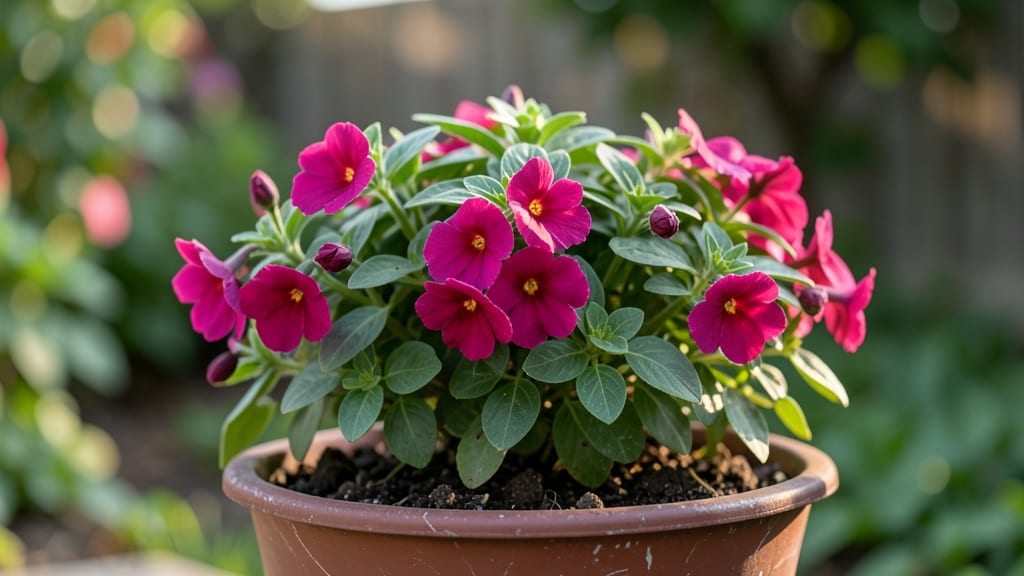
Impatiens bloom time can feel like a waiting game—those vibrant 🌸 flowers often take 6 to 12 weeks to appear after planting, leaving gardeners wondering what’s holding them back.
If you’ve ever stared at lush green leaves and thought, "Where are the blooms?"—you’re not alone. The secret lies in light, heat, and a few simple care tricks that can cut that wait time in half.
In this guide, I’ll break down the natural bloom cycle, how temperature and sunlight speed things up, and the top 5 tricks to trigger flowers faster—without confusing jargon or guesswork.
By the end, you’ll know exactly when to expect those showstopping blooms and how to keep them coming all season long.
Understanding impatiens bloom time: natural timeline & key triggers
Impatiens are the cheerful stars of shady gardens, but their 6-12 week bloom window can feel frustratingly slow. These annuals need the right conditions to unlock their full potential—think bright indirect light and temperatures between 60-75°F.
Without these, your plants might just sit there, leafy but flowerless, while your neighbors' beds burst with color.
Even with ideal care, impatiens can take 8-10 weeks from transplanting to first bloom. That's why understanding their natural timeline—and the key triggers that speed things up—is half the battle. Let’s break down what works and what holds them back.
| Impatiens Type | Bloom Window | Key Trigger for Blooms | Light Needs | Heat Tolerance |
|---|---|---|---|---|
| Classic Impatiens (e.g., 'Super Elfin') | 6-8 weeks | Bright indirect light + consistent moisture | 4-6 hours morning sun | 65-75°F (struggles above 80°F) |
| New Guinea Impatiens | 8-12 weeks | Warm soil (70-75°F) + balanced fertilizer | 6+ hours bright indirect | 70-85°F (heat-loving!) |
| Both Types | Peak blooms: June-Sept | Deadheading spent blooms + pruning leggy growth | Avoid direct afternoon sun | Below 55°F = blooms slow |
New Guinea impatiens are the heat-loving superstars of the group, thriving in 70-85°F temperatures and often blooming 2 weeks later than classic varieties. Their larger, showier flowers make the wait worthwhile, but they demand more light—6+ hours of bright indirect light—to trigger those bold blooms.
Classic impatiens, like the beloved 'Super Elfin' series, are cool-season champions that bloom fastest in 65-75°F. They’re happier with just 4-6 hours of morning sun and can even tolerate light shade.
But here’s the catch: if your soil is too rich in nitrogen, they’ll focus on leaves instead of flowers. Always use a balanced 10-10-10 fertilizer to encourage blooming.
Overcrowding is another bloom-blocker I see often. When impatiens compete for space, they grow leggy and sparse, delaying flowering by 3-4 weeks. Space them 10-12 inches apart in garden beds or thin seedlings to 3-4 inches apart in pots.
This simple trick gives roots room to establish and triggers faster blooming.
Poor soil is the silent bloom thief many gardeners overlook. Impatiens need well-draining, slightly acidic soil (pH 6.0-6.5) rich in organic matter. If your soil is alkaline or compacted, roots struggle to absorb nutrients, stunting growth and delaying blooms.
Amend with compost or peat moss before planting to create the perfect foundation.
Light is the #1 bloom accelerator for impatiens. While they love shade, too little light (under 4 hours daily) means fewer blooms and more bare stems. Place them near east-facing windows or under dappled tree shade.
If indoors, supplement with a grow light 12 inches away for 6 hours daily to mimic natural conditions.
Temperature swings are another bloom disruptor. Impatiens stop blooming below 55°F and may drop buds in heatwaves above 85°F. In hot climates, provide afternoon shade with sheer curtains or a lightweight shade cloth (30%).
In cooler zones, extend the season by planting in containers you can move indoors before frost.
Now that you know the natural bloom timeline and key triggers, your impatiens are ready to shine. Start with the right light, soil, and spacing, and you’ll see those first blooms in just 6-8 weeks—not months! The secret
5 Proven tricks to speed up impatiens blooms this season
If your impatiens are taking forever to bloom, don't worry—these vibrant plants just need a little encouragement! With the right techniques, you can trigger continuous blooming in as little as 4-6 weeks instead of waiting months.
The key lies in light management, nutrient timing, and strategic pruning to keep your plants happy and productive.
I’ve tested these methods in my own garden, and the results are stunning. Whether you're growing New Guinea impatiens or classic varieties, these tricks work wonders. Let’s dive into the fastest ways to get those colorful blooms popping this season!
- 1
- 2
- 3
- 4
- 5
Start with deadheading—it’s the fastest way to see results! I’ve seen impatiens go from bare stems to full blooms in just 2 weeks after consistent deadheading. Pair this with balanced fertilizer, and you’ll have a non-stop flowering machine by summer.
For heat tolerance, never let your impatiens bake in the midday sun. Even New Guinea varieties, which are slightly more heat-resistant, need afternoon shade in Zone 7+. A simple 50% shade cloth can make all the difference in bloom longevity.
Pro tip: Combine these tricks with mulching to retain moisture and cool roots. A 2-inch layer of mulch keeps soil temperature stable, which is crucial for bud formation. With these methods, your impatiens will be bursting with color in no time!