
Blooming
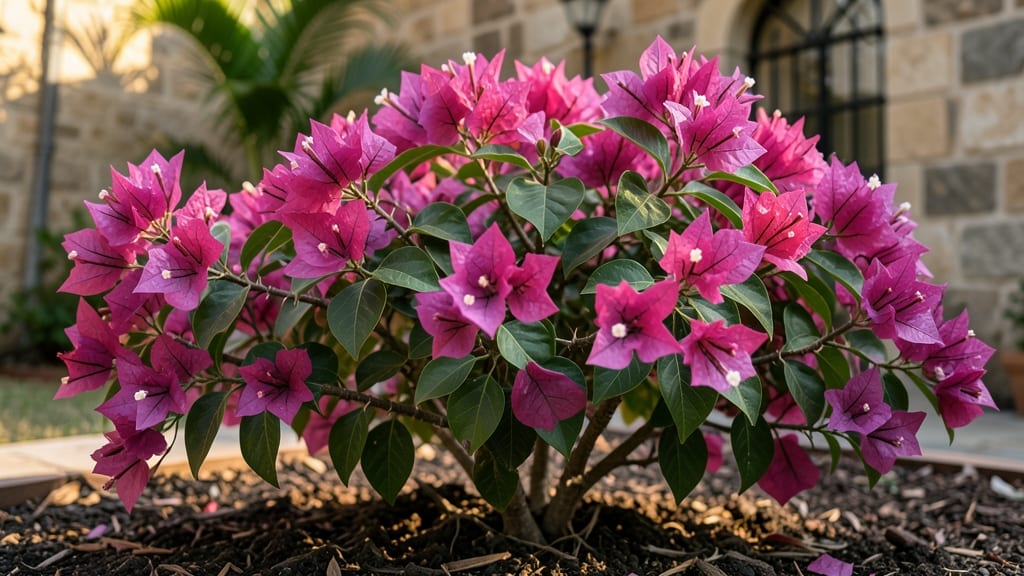
My Island Bloom bougainvillea bursts into heat-triggered purple spikes every summer, turning my coastal garden into a tropical paradise. 🌺 The moment temperatures rise above 75°F, these vibrant blooms appear—returning year after year with minimal effort.
This variety isn’t just beautiful; it’s resilient, thriving in full sun and salty breezes where other plants struggle. The secret to its show-stopping display lies in proper placement and pruning. Train it along fences, trellises, or let it cascade from containers for dramatic impact.
Pair it with salvia, lantana, or hibiscus for a layered, island-inspired palette that hums with color and texture. The contrast of deep purples against lush greens creates a visual feast that lasts from late spring through fall.
You’ll love how effortlessly it transforms any space—whether a balcony, courtyard, or beachfront yard. With the right care, it rewards you with bold, long-lasting blooms that turn heads and attract butterflies. The best part? It’s drought-tolerant once established, making it perfect for low-maintenance coastal gardens.
For maximum impact, plant it near seating areas or entryways where the vibrant blooms create a welcoming first impression. Just avoid overwatering—this tropical beauty prefers to dry out between waterings. Let’s make your garden the talk of the neighborhood!
📚 In This Guide
- What you need
- Instructions
- Tips and common mistakes
- Wrapping up and next steps
What you need
- ● Island Bloom Bougainvillea: 1 plant (or seeds/cuttings if propagating). Choose a healthy, well-established specimen for faster blooms.
- ● Well-draining soil: 5+ gallons of cactus/succulent mix (or amend garden soil with perlite/coarse sand for drainage).
- ● Container or planting site: Container option: 1–2 large pots (12"+ diameter) with drainage holes. Terracotta or fabric pots work best.
- ● Garden option: Full-sun spot (6+ hours/day) with slope or raised bed to prevent root rot.
- ● Fertilizer: 1 cup balanced, slow-release fertilizer (10-10-10) or bloom booster (e.g., 7-9-5).
- ● Mulch: 2–3 inches of gravel or pine bark to retain heat and moisture.
- ● Garden tools: Trowel or shovel
- ● Pruning shears (sterilized)
- ○ Gloves (optional, but bougainvillea thorns are sharp!)
- ● Watering can or hose with nozzle (drip irrigation preferred for containers).
- ● Sun protection: Long sleeves/pants (bougainvillea thrives in full sun—heat triggers those stunning blooms!).
- ○ Optional (but helpful): Stakes or trellis (if training as a climbing vine)
- ● Spray bottle (for humidity-loving seedlings)
- ● Soil pH tester (ideal range: 6.0–7.0)
How to grow Island Bloom bougainvillea for yearly purple spikes
This heat-loving beauty thrives with the right balance of sun, pruning, and seasonal care.
🪴 Step 1: Select the Right Container and Soil Mix
Choose a 10-15 gallon container with drainage holes—bougainvillea roots need oxygen and hate soggy soil. I opt for fabric grow bags because they prevent root circling and allow excess water to evaporate quickly. Fill the bottom third with orchid bark mix for aeration, then top with cactus/succulent potting soil mixed with 20% perlite. This blend mimics its native rocky, well-draining conditions.
Bougainvillea's roots are sensitive to overwatering, so the bark layer prevents compaction while the perlite ensures water moves through the soil instead of pooling. Press the mix down gently but firmly—you want it settled but not packed like concrete. Leave 2 inches of space at the top for watering.
☀️ Step 2: Position for Maximum Sun Exposure
Place your bougainvillea in a spot with full sun exposure (6+ hours daily)—this is non-negotiable for those vibrant purple bracts. A south-facing wall or patio with afternoon sun works best in most climates. If you're in a hotter region, provide light afternoon shade during peak summer months to prevent leaf scorch.
You'll know the light is right when new growth appears bright green and compact rather than leggy and pale. If stems stretch toward the light, move the plant closer to the window or under a grow light. Bougainvillea responds to heat by blooming, so warmer temperatures (75-95°F) trigger more frequent flowering.
💧 Step 3: Water Deeply but Infrequently
Water when the top 2-3 inches of soil feel completely dry—this usually means every 5-7 days in warm weather, but adjust based on your microclimate. Stick your finger in the soil: if it's dry past your first knuckle, it's time to water. Pour water slowly until it drains freely from the bottom, then empty the saucer to prevent root rot.
Overwatering is the #1 killer of bougainvillea—yellowing leaves or mushy stems mean you're drowning the roots. In winter, reduce watering to every 2-3 weeks unless your home stays very warm. The plant enters a semi-dormant state and needs far less moisture. Fertilize lightly with a balanced 10-10-10 during active growth (spring-fall) but skip winter feedings entirely.
✂️ Step 4: Prune for Shape and Encourage Blooms
Prune twice yearly: once after flowering (late spring) to shape the plant, and again in late winter to remove dead growth. Use sterilized bypass pruners to cut just above a leaf node at a 45-degree angle. This encourages bushier growth and more blooms. Never prune into old wood—new growth only emerges from current season's stems.
Here's the thing—bougainvillea blooms on new wood, so heavy pruning in winter stimulates fresh growth that will flower in summer. After pruning, place the container in bright indirect light for a week to help it recover before moving back to full sun. You'll see new shoots within 3-4 weeks if the pruning was done correctly.
⏰ Step 5: Manage Seasonal Care for Year-Round Health
In spring, resume regular watering and fertilize every 4-6 weeks with a low-nitrogen, high-phosphorus fertilizer (like 5-10-10) to promote blooming. Move the plant outside gradually over 2 weeks to avoid shock from temperature swings. Watch for aphids or whiteflies—spray with neem oil at the first sign of pests.
As fall approaches, reduce watering and stop fertilizing. Bougainvillea sheds leaves naturally in cooler weather, which is normal—don't panic. Bring it indoors before temperatures drop below 50°F (or keep it in a protected patio if winters are mild). Place it near a south-facing window and resume light watering every 2-3 weeks. With proper care, it'll burst into bloom again next spring.
Tips & tricks for perfect Island Bloom bougainvillea care
These little details make all the difference when nurturing your tropical beauty to thrive year after year.
Soil Science: The 20% perlite in your cactus/succulent mix isn't just about drainage—it's about creating air pockets that mimic the rocky terrain of bougainvillea's native habitat. I've found that adding 10% coarse sand to the mix further improves water flow without compacting. After planting, give the soil a gentle press with your fingers to eliminate air pockets, but don't pack it like you're making a sandcastle. This ensures even root contact with the aerated mix.
Sunlight Strategy: That 6+ hours of daily sun is non-negotiable, but here's what I've learned about positioning: place your container where it gets morning sun and afternoon shade if you're in zone 9 or hotter. The key is to avoid the intense midday rays that can scorch leaves while still maintaining the heat trigger for blooming. I rotate my containers 90 degrees every few weeks to ensure even sun exposure all around the plant.
Pruning Precision: When you're doing that late winter pruning, focus on cutting back to just above a leaf node where you see a small bump—the future growth point. I've made the mistake of cutting too close to the node, which can prevent new shoots from emerging. For thicker stems, make two small cuts at a 45-degree angle rather than one deep cut. This creates more surface area for faster healing and reduces stress on the plant.
Seasonal Transition: That 2-week gradual move outside in spring is crucial, but don't stop there. I've found that moving the plant to its final outdoor location in stages—first to a shaded spot for a day, then to partial sun, and finally to full sun—reduces transplant shock significantly. The same goes for bringing it indoors in fall: let it acclimate to cooler indoor temperatures over 5-7 days before its final move to the south-facing window.
Pro Tips for Island Bloom Bougainvillea
- These little details make all the difference when nurturing your tropical beauty to thrive year after year.
- Soil Science: The 20% perlite in your cactus/succulent mix isn't just about drainage—it's about creating air pockets that mimic the rocky terrain of bougainvillea's native habitat.
- Sunlight Strategy: That 6+ hours of daily sun is non-negotiable, but here's what I've learned about positioning: place your container where it gets morning sun and afternoon shade if you're in zone 9 or hotter.
Frequently asked questions
Got questions about Island Bloom Bougainvillea? You’re not alone! Here are answers to the most common queries from gardeners eager to grow this stunning, heat-loving plant.
Does Island Bloom Bougainvillea really need hot weather to bloom?
Yes! This variety thrives in full sun and temperatures above 70°F (21°C). While it can tolerate brief cooler spells, consistent warmth triggers its vibrant purple blooms. In colder climates, grow it in containers and bring it indoors when temps drop below 50°F (10°C).
How long does it take for Island Bloom Bougainvillea to flower after planting?
With proper care, you can see blooms within 6–12 months of planting. Prune lightly to encourage new growth, and ensure it gets at least 6 hours of direct sunlight daily. Patience pays off—once established, it blooms year-round in warm zones!
Can I grow Island Bloom Bougainvillea in a pot? If so, what size container should I use?
Pots are ideal for controlling its spread and protecting it from frost. Use a minimum 15-gallon container with drainage holes and well-draining soil. Add a time-release fertilizer in spring to support vigorous growth and blooming.
Why isn’t my Island Bloom Bougainvillea flowering? What can I fix?
Lack of blooms often signals too much shade, over-fertilizing with nitrogen, or insufficient pruning. Try these fixes:
- Move it to a sunnier spot (at least 6+ hours of direct sun).
- Switch to a low-nitrogen, high-phosphorus fertilizer (like 5-10-10).
- Prune back 1/3 of the plant in early spring to encourage new flower buds.
Are there any alternatives to Island Bloom Bougainvillea for hot climates?
If you love drought-tolerant, heat-loving plants with bold blooms, consider:
- Portulaca (Moss Rose): Succulent-like with vibrant flowers; thrives in poor soil.
- Lantana: Drought-resistant, attracts pollinators, and blooms in warm weather.
- Plumbago (Leadwort): Perennial in warm zones, produces sky-blue flowers.
Can Island Bloom Bougainvillea survive light frosts? How do I protect it?
While it’s tender to frost, young plants or those in pots can survive brief dips to 28°F (-2°C) with protection. Wrap the pot in burlap or bubble wrap and move it to a sheltered spot. For severe cold, bring it indoors near a sunny window until spring.
Wrapping up and next steps
The Island Bloom Bougainvillea isn’t just a plant—it’s a vibrant promise of color and resilience that thrives under the sun. 🌺 With its heat-triggered blooms and minimal care needs, it’s perfect for bringing tropical charm to any space.
Whether you’re a seasoned gardener or a beginner, this beauty rewards patience with stunning, year-after-year displays.
Ready to grow your own? Start small—plant a cutting or a young specimen in a sunny spot—and watch your garden transform into a purple paradise! 🌿✨