
Blooming
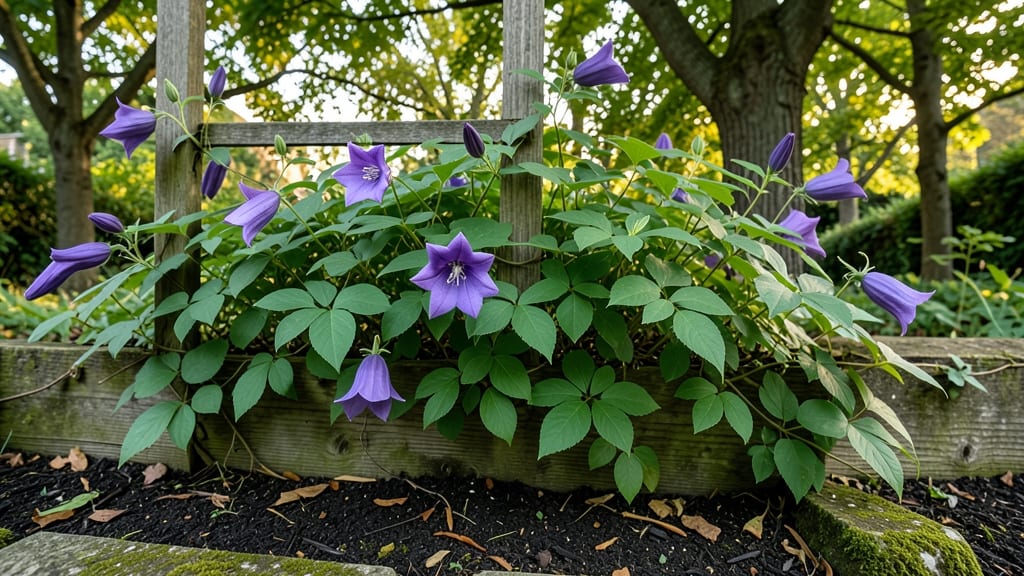
The Jackmanii clematis bloom time is what separates a dramatic garden showstopper from a vine that barely puts on a show. If you've ever waited all spring for those iconic purple spikes—only to be met with a few sad blooms—you're not alone.
This hardy climber typically bursts into color from late May to July in most of the U.S., but the real magic happens in how you prep it.
Pruning in late winter (before buds swell) sets the stage for longer, more abundant blooms—and skipping this step means missing out on the full potential of your 🌸.
Climate plays a huge role: in cooler zones like 6a, expect blooms to arrive a few weeks later, while warmer regions can see earlier (and sometimes second) flushes. The key isn’t just waiting for flowers—it’s understanding how sunlight, temperature, and your pruning knife all work together.
Below, I’ll break down the exact pruning calendar to maximize blooms, regional adjustments for your zone, and simple care tricks to keep those purple spikes coming year after year—no guesswork required.
When does Jackmanii clematis bloom? Seasonal timeline & climate impact
If you've ever marveled at the dramatic purple spikes of Jackmanii clematis, you know their bloom time is nothing short of magical. These late-spring to early-summer showstoppers typically burst into color between May and July, but the exact timing depends on your USDA hardiness zone and local climate.
In Zone 6, for example, you might see buds opening as early as late April, while gardeners in Zone 9 could enjoy blooms stretching into August.
What makes Jackmanii clematis bloom time so fascinating is how sunlight exposure and winter temperatures can shift the calendar by weeks. A south-facing trellis in full sun (6+ hours daily) will trigger earlier blooms compared to a shadier spot.
Meanwhile, a mild winter in coastal areas might wake the plant sooner than a harsh freeze in inland regions. The key to predicting your plant's schedule? Understanding its dormancy period and how late-winter pruning sets the stage for peak performance.
Here’s the secret: The buds that will become next year’s flowers form in late summer and fall—so cutting back too aggressively in winter pruning (after the first frost) can reduce your bloom volume. In Zones 3-5, where winters are colder, pruning in February gives the plant 6-8 weeks to harden off before blooming. In Zones 7-9, a March prune works better, aligning with warmer soil temperatures.
🌸
| Factor | Impact on Bloom Time | Optimal Conditions |
|---|---|---|
| USDA Zone | Zones 3-5: Blooms late May-June Zones 6-8: Blooms May-July Zones 9: Blooms June-August |
Plant in Zone 6 or warmer for reliable blooms; use mulch in Zone 3-5 to protect roots. |
| Sunlight | Full sun (6+ hours) = earlier blooms Partial shade (3-6 hours) = delayed blooms |
South-facing trellis with morning sun for best results. |
| Winter Temperatures | Cold winters (below 20°F) delay blooms Mild winters (above 30°F) advance blooms |
Use winter mulch in cold zones to insulate roots. |
| Pruning Time | Late-winter prune (Feb-March) = fuller blooms Post-bloom prune (June-July) = second flush |
Prune 2-3 eyes above ground in Zone 3-6; light prune in Zones 7-9. |
| Soil Moisture | Consistent moisture = longer blooms Drought stress = shorter season |
Water deeply once weekly during bloom; mulch heavily in summer. |
Let’s talk about regional variations—because if you’re in Pacific Northwest (Zone 7-8), your Jackmanii clematis might start blooming in early May, while a Midwest gardener (Zone 5) could see their first spikes in late May or June.
The difference? Soil warmth and daylight hours. Clematis are day-neutral flowers, meaning they bloom based on temperature cues rather than daylight length, but they still need consistent warmth to trigger those purple plumes.
One common misconception is that Jackmanii clematis blooms only once per year—but with the right pruning strategy, you can coax a second flush in late summer.
Here’s how: After the first bloom fades, wait until late June or early July to do a light prune, cutting back by about one-third. This encourages new growth, which can produce a smaller but stunning second round of flowers by August or September.
🌿
If you’re in a warmer climate (Zones 9-10), your clematis might bloom year-round if conditions are ideal, but the most dramatic displays still occur in spring and early summer. The trick? Monitor your plant’s growth and adjust pruning accordingly. For example, if your
Jackmanii clematis pruning calendar: step-by-step for year-round blooms
Your Jackmanii clematis thrives on precise pruning timing—cut too early, and you risk losing next year’s blooms. Too late, and you’ll miss the late-spring purple spikes that make this variety a garden star.
The key? Understanding when to prune based on bud formation and seasonal cues rather than a fixed calendar date.
This month-by-month guide aligns with Jackmanii clematis bloom time (typically May-July) and teaches you to recognize visual signals like leaf color changes and bud swelling. Master these techniques, and you’ll enjoy year-round blooms with minimal effort.
🌱 Pruning Steps for Jackmanii Clematis
- 1 Late Winter (February): Prune dead or weak stems down to healthy buds. Look for swollen buds (future blooms) and avoid cutting into them. Use clean, sharp pruners at a 45-degree angle.
- 2 Early Summer (June): After first blooms fade, trim spent flowers and any stems that look overcrowded or leggy. This encourages second flush of blooms in late summer. Never cut more than 1/3 of the plant at once.
- 3 Early Fall (September): Light pruning to remove weak growth and improve air circulation. Stop cutting by late September to allow stems to harden for winter. Look for yellowing leaves as a signal to pause.
When pruning, focus on three-year-old wood—the stems that produce the most dramatic blooms. If you see green buds forming in early spring, these are next year’s flowers. Cutting above them removes future blooms, so always leave at least 2-3 buds per stem.
Use bypass pruners for clean cuts and avoid dull tools that crush stems. Disinfect blades between cuts to prevent clematis wilt, a fungal disease that can devastate your plant. For large stems, use loppers and make cuts just outside the bud union.
After pruning, apply a 2-inch layer of mulch around the base to retain moisture and regulate soil temperature. Water deeply to help the plant recover. By following this schedule, your Jackmanii clematis will reward you with vibrant blooms from late spring through summer—and even a few surprises in fall.
Remember, consistency is key. Skipping a year of pruning can lead to overgrown, woody vines with fewer blooms. But with this calendar, you’ll keep your clematis healthy, vigorous, and show-stopping for decades.