
Blooming
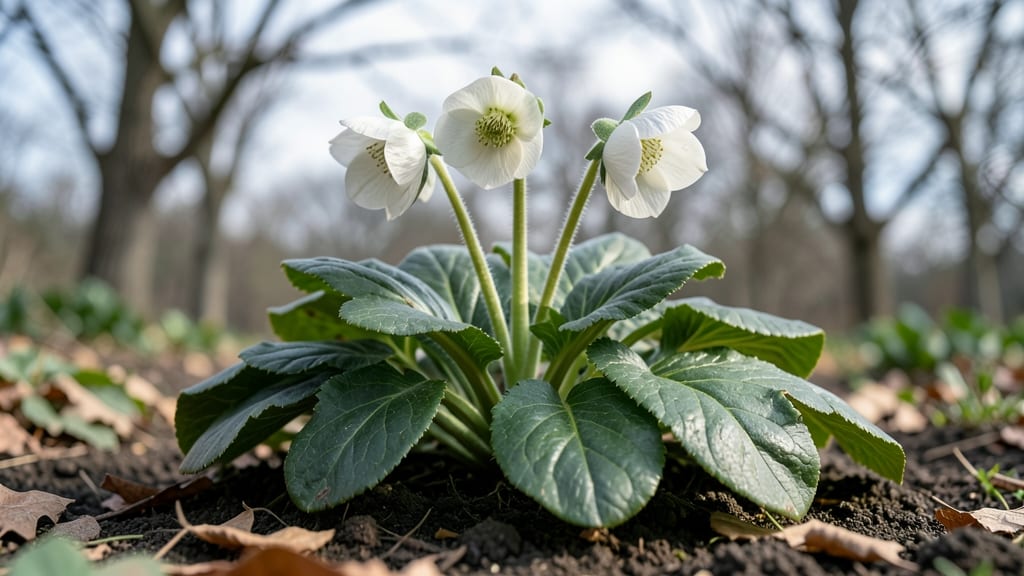
Lenten roses bloom at the perfect time when most gardens are still sleeping under frost. 🌱 Their deep purple spikes appear as early as late winter—sometimes even in January—when the air still carries a bite.
Unlike spring ephemerals that vanish quickly, these hardy perennials stretch their show from February through April, with occasional blooms lingering into May. The secret to their early performance? They’re frost-tolerant and thrive in partial shade, where many plants struggle.
I’ve seen them push through snow in Zone 5, while in milder Zone 7, they might start blooming by Christmas. The key is planting them in well-draining soil and avoiding summer heat stress—they reward patience with weeks of color when little else is flowering.
You’ll notice their leathery evergreen leaves first, then the cup-shaped blooms rising like tiny purple candles. The fragrance—lightly sweet with a hint of spice—adds another layer of magic.
Prune spent blooms in early spring to encourage a second flush, but never cut back the foliage until late summer, when new growth signals the plant’s stored energy for next year. Perfect for woodland gardens, shade borders, or containers near patios where you can admire them up close.
Once established, they’re nearly maintenance-free—just mulch annually and step back to watch nature’s early show unfold.
📚 In This Guide
- What you need
- Instructions
- Tips and common mistakes
- Wrapping up and next steps
What you need
- ● Lenten rose plants: 1–3 mature plants (3–4 inches in diameter) or seeds (if starting from scratch). Choose Helleborus niger for classic white/pink blooms or Helleborus 'Purple Spikes' for deep purple varieties.
- ● Well-draining soil: 5–10 cubic feet of a mix of 60% garden soil, 30% compost, and 10% perlite or coarse sand (critical for preventing root rot!).
- ● Organic mulch: 2–3 inches of wood chips, shredded bark, or leaf mold to retain moisture and regulate temperature.
- ● Slow-release fertilizer: 1–2 cups of 10-10-10 or 5-10-10 organic fertilizer (sprinkle lightly around the base in early spring).
- ● Garden trowel or spade (for planting and soil prep).
- ● Gloves (to protect hands from thorny stems and rough soil).
- ● Watering can or hose with a gentle nozzle (Lenten roses hate soggy roots!).
- ● Pruning shears (sterilized with rubbing alcohol) for deadheading spent blooms.
- ○ pH testing kit (optional)—aim for a soil pH of 6.0–7.0.
- ● A partially shaded spot (3–6 hours of morning sun; afternoon shade in hot climates).
- ● Protection from strong winds (Lenten roses prefer sheltered locations).
- ● Patience! Established plants may take 2–3 years to bloom reliably, but they’ll reward you for decades.
Step-by-step guide to timing and encouraging Lenten rose blooms
Here's how to coax those iconic purple spikes to appear reliably each spring.
🌱 Step 1: Understand the Natural Bloom Cycle
The Lenten rose (Helleborus niger) blooms in late winter to early spring, typically between February and April, with peak flowering around Valentine’s Day—hence its name. Unlike most plants, it thrives in cool temperatures (40-50°F) and actually suffers in summer heat. The buds form in late summer, but they won’t open until the plant senses the right balance of cold and moisture.
Watch for swollen buds along the stems in late winter—they’ll look like tiny green bulges. These buds are hardy to -20°F, so don’t worry if winter lingers. The plant’s deep roots store energy, allowing it to push through frost without damage. If your climate has prolonged freezes below 10°F, apply a 2-inch layer of mulch (like shredded bark) around the base to insulate the crown.
☀️ Step 2: Position for Winter Sun and Spring Light
Lenten roses need partial shade (morning sun, afternoon shade) in hot climates, but they’ll tolerate full shade if the soil stays consistently moist. In cooler regions, they can handle morning sun and filtered afternoon light. The key is avoiding intense midday heat, which causes buds to drop before opening.
If your plant isn’t blooming well, it might be getting too much direct sun. You’ll notice leaves turning yellow or crispy at the edges—a sure sign of heat stress. Move it to a spot where it gets dappled sunlight (like under a deciduous tree) or use a light shade cloth (30-50%) during peak summer hours. In containers, ensure the pot has drainage holes and use a well-draining potting mix to prevent root rot.
💧 Step 3: Water Strategically for Bud Formation
Consistent moisture is critical, but overwatering in winter kills more Lenten roses than anything else. Water deeply once every 2-3 weeks during dormancy (October–March), letting the top 2 inches of soil dry out between waterings. You’ll know it’s time when the soil feels light and crumbly—not soggy.
As buds swell in late winter, increase watering to every 1-2 weeks, ensuring the soil stays evenly moist but not waterlogged. Yellowing leaves at this stage usually mean too much water, while wrinkled buds signal drought stress. Mulch heavily (3-4 inches) to retain moisture and regulate soil temperature. Avoid wetting the foliage—water at the base of the plant to prevent fungal diseases like leaf spot.
✂️ Step 4: Prune and Fertilize for Next Year’s Blooms
After flowering, remove spent flower stalks by cutting them back to the base. This redirects the plant’s energy into next year’s buds, which form in late summer (August–September). Avoid heavy pruning—just tidy up dead or yellowing leaves. The plant’s deep taproot means it doesn’t need frequent division, but if clumps get overcrowded (after 5-7 years), dig up and separate in early fall, ensuring each division has 3-5 leaves and a portion of the root.
Feed lightly in early spring (March) with a balanced, slow-release fertilizer (10-10-10) or bone meal (high in phosphorus for blooms). Too much nitrogen makes the plant focus on leaves instead of flowers. In late summer, apply a low-nitrogen fertilizer (5-10-10) to encourage bud formation. Over-fertilizing in fall can lead to weak stems that flop under winter snow.
⏰ Step 5: Protect Buds During Late Winter Thaws
Lenten roses bloom in late winter, but sudden warm spells followed by hard freezes can damage buds. If temperatures dip below 20°F after buds have swollen, cover the plant with frost cloth or a lightweight blanket to protect it. Remove the cover once temperatures rise above 40°F to avoid overheating.
If buds freeze, don’t panic—the plant will often produce secondary blooms later in spring. To encourage this, water lightly after the frost passes and avoid fertilizing until new growth appears. The plant’s resilience comes from its deep roots, which store energy for regrowth. Even if all the buds are lost, the foliage remains evergreen, providing year-round interest.
Tips & tricks for perfect Lenten rose blooming
Here's what nobody tells you about coaxing those stunning purple blooms from your winter-hardy beauty.
Temperature Matters: The Lenten rose's ideal 40-50°F range during bloom season isn't just about comfort—it's about triggering the perfect hormonal balance for flower opening. I've seen buds refuse to open when temperatures climb above 55°F too early in the season. If you're in a warmer climate, consider planting in a spot that gets afternoon shade from nearby trees or structures. This creates the perfect microclimate where the plant stays cool enough to bloom reliably.
Bud Inspection Secret: Start checking for swollen buds in late January by gently running your fingers along the stems. Healthy buds should feel firm with a slight give—like a small green pea under your thumbnail. Soft, mushy buds indicate rot from overwatering, while shriveled buds mean drought stress. I've learned this the hard way after losing buds to both extremes in the same winter! The key is that 2-inch soil dryness check between waterings during dormancy—this prevents both problems.
Frost Protection Strategy: When buds appear and temperatures dip below 20°F, I use a technique called "bud shielding" that goes beyond basic frost cloth. After covering with frost cloth, I gently mound an extra 1-inch layer of mulch around the base (on top of the existing 2-inch layer) to create an insulating barrier. This creates a tiny thermal buffer zone that can make all the difference when temperatures hover around 15°F. Always remove covers when temps rise above 40°F to prevent overheating and fungal issues.
Lighting Insight: The Lenten rose's light requirements are often misunderstood. While it tolerates full shade, true blooming perfection comes from dappled sunlight—the kind you get under tall trees where sunlight filters through leaves. If you're container growing, rotate pots quarter-turns every few weeks to ensure even light exposure. I've noticed plants in containers with only morning sun often produce fewer blooms compared to those getting that filtered afternoon light pattern.
Pro Tips for Lenten Rose Bloom Time
- Here's what nobody tells you about coaxing those stunning purple blooms from your winter-hardy beauty.
- Temperature Matters: The Lenten rose's ideal 40-50°F range during bloom season isn't just about comfort—it's about tr...
- Bud Inspection Secret: Start checking for swollen buds in late January by gently running your fingers along the stems...
Frequently asked questions
Got questions about timing, care, or those stunning purple blooms?
Here are answers to the most common ones—so you can enjoy your Helleborus niger (Lenten rose) at its best!
When do Lenten roses typically bloom, and why are they called "Lenten"?
The Lenten rose blooms late winter to early spring, often between February and March, just as Lent begins in the Christian calendar. Their hardy nature lets them push through snow for vibrant purple (or white) flowers—hence the name! Timing can shift slightly based on your climate (warmer zones may bloom earlier).
Can Lenten roses bloom in freezing temperatures, or do they need protection?
These plants are frost-tolerant and often bloom under snow. However, heavy ice or prolonged sub-zero temps (below 10°F/-12°C) might damage buds. A light mulch layer (2–3 inches) helps insulate roots. If your area gets extreme cold, consider a cloche or frost cloth for delicate blooms.
Why aren’t my Lenten roses blooming this year? Troubleshooting tips?
Common reasons include:
- Too much shade: They need partial shade (4–6 hours of light).
- Over-fertilizing: Too much nitrogen = leafy growth, fewer blooms. Use a low-phosphorus fertilizer in early spring.
- Stress from transplanting: Give newly planted roses 1–2 years to establish before expecting blooms.
- Dormant buds: If buds form but don’t open, they may need warmer daytime temps (50°F/10°C+) to trigger blooming.
Pro tip: Deadhead spent blooms to encourage more flowers!
Are there alternatives to purple Lenten roses? What colors do they come in?
Lenten roses (Helleborus) offer a soft color palette:
- White (classic, like ‘Jacob’)
- Pink (e.g., ‘Pink Frost’)
- Greenish-yellow (e.g., ‘Green Goddess’)
- Deep purple (e.g., ‘Pink Pearl’ with purple centers)
For bold hues, pair them with crocuses or snowdrops in early spring gardens!
How long do Lenten rose blooms last, and can I extend their season?
Individual flowers last 4–6 weeks, but new buds often emerge in waves. To prolong blooming:
With care, some varieties rebloom in fall!
Wrapping up and next steps
The Lenten rose (Helleborus) thrives as a resilient symbol of early spring, blooming before frost retreats—often between late winter and early spring, depending on your climate. Its fragrant purple spikes prove that beauty and hardiness go hand in hand, even in the coldest months.
Whether you’re a gardener or nature lover, embracing this plant’s unique bloom time is a reminder to find joy in life’s earliest surprises.
Ready to welcome these frost-defying blooms into your garden? Start by choosing the right variety and giving them the care they deserve—your patience will be rewarded with months of stunning color! 🌸