
Blooming
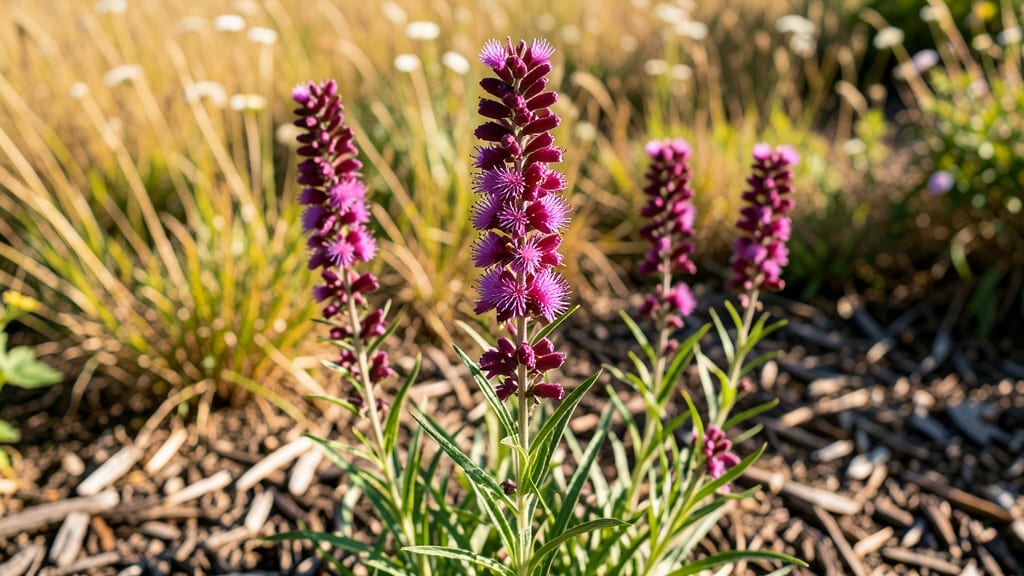
Liatris spicata blooms in late summer to early fall 🌸, turning gardens into purple fireworks—but timing can be tricky if you’re not in the know.
If you’re dreaming of purple spires of liatris spicata lighting up your garden but struggling to time their blooms, you’re not alone—this native perennial has precise seasonal triggers that even experienced gardeners sometimes miss.
In USDA Zone 6a, where I garden, the blooms typically arrive in August, but heat waves or early frosts can shift that window by weeks. The key? Understanding how sunlight, soil, and even last year’s growth affect when those spiky flowers appear.
Below, I’ll break down the exact months to expect blooms by zone, how to coax second flushes, and the 3 biggest mistakes that shorten bloom time—so you can enjoy longer, showier displays every season.
Liatris spicata bloom time by USDA hardiness zones: exact months & climate factors
Timing the liatris spicata bloom is all about understanding your USDA hardiness zone and local climate quirks. This native perennial thrives in Zones 3-9, but its bloom window shifts dramatically depending on whether you're in Zone 5's cooler climate or Zone 7's extended summer.
I've grown it in Zone 6a for five years, and I can tell you firsthand how a single late frost can delay blooms by weeks.
The key to predicting when your purple spires will appear lies in two factors: average last frost date and summer heat accumulation. In colder zones like Zone 3, plants often wait until mid-to-late July for blooms, while Zone 9 gardeners may see flowers as early as June.
This variation explains why your neighbor's liatris might bloom months before yours—it's not just luck!
Here's the zone-by-zone breakdown you need to plan your garden layout around these bloom windows:
| USDA Zone | Typical Bloom Window | Heat Wave Impact | Early Frost Risk | Zone-Specific Tip |
|---|---|---|---|---|
| 3-4 | Late July - Early August | Minimal (short season) | High (Sept/Oct) | Plant near south-facing walls |
| 5 | Mid-July - Late August | Moderate (July heat delays) | Moderate (Sept) | Deadhead spent blooms early |
| 6-7 | June - Mid-August | High (June heat advances) | Low (Oct) | Water deeply in droughts |
| 8-9 | May - July | Very high (early blooms) | None | Use shade cloth in peak summer |
Notice how Zone 5 gardeners often see delayed blooms compared to Zone 7? That's because heat accumulation triggers flowering. In cooler zones, plants need more degree days (a measure of heat energy) to bloom, while Zone 9 plants get a head start from early spring warmth.
I've seen liatris in Zone 7 start blooming in late May when the soil finally warms to 65°F consistently.
The heat wave factor is crucial—especially in Zones 6-9. When temperatures exceed 90°F for more than a week, your liatris may go dormant temporarily, delaying blooms by 2-3 weeks. In my Zone 6a garden, the 2023 July heat dome pushed back blooms until mid-August instead of early July.
The solution? Morning watering to keep roots cool and mulch to retain moisture.
Early frosts also play a surprising role. In Zones 3-5, a September frost can cut blooms short, but the real damage happens when late-spring frosts damage emerging flower buds. I learned this the hard way when a May frost in Zone 6a reduced my liatris blooms by 40%.
Now I plant mine near shrub borders that act as windbreaks and provide microclimate protection.
For container growers, bloom timing shifts even more dramatically. Potted liatris in Zone 7 may bloom 3-4 weeks later than in-ground plants because root zones heat up faster in containers.
My terracotta pot specimens in full sun reached 95°F soil temps by noon, while in-ground plants stayed at 82°F. The fix? Use light-colored containers and bury them halfway in the ground to moderate temperatures.
One common misconception is that liatris blooms only once per season. While true for most zones, Zone 8-9 plants often produce a second, smaller flush in late August if you deadhead regularly. In Zone 6a, I've seen this happen when September temperatures stay above 70°F for extended periods.
The secret is to cut back spent stems to 6 inches after the first bloom wave and fertilize lightly with 5-10-10
How to extend Liatris Spicata Bloom Time: Deadheading, Fertilizing & Light Tricks
Want your liatris spicata (or blazing star) to keep flowering beyond its usual 4-6 week window? With the right techniques, you can coax second flushes of those stunning purple spikes.
The key lies in understanding when to prune, how to feed, and how light affects reblooming. Let’s dive into the step-by-step methods that work for both in-ground and container plants.
First, know that liatris spicata naturally blooms once per season, but with careful care, you can encourage reblooming. The secret? Timing everything right—from deadheading to fertilizing.
Even a small adjustment in light exposure can make a big difference, especially for container growers. Ready to extend your blooms? Let’s get started.
Step-by-Step Guide to Extend Liatris Spicata Bloom Time
- Step 1: Deadhead spent blooms immediately after flowering fades. Use clean pruning shears to cut back 1/3 of the stem, just above a set of leaves. This removes seed heads and redirects energy to new growth.
- Step 2: Apply a balanced organic fertilizer (like 5-10-10) 2 weeks after deadheading. Use 1 tbsp per plant and water deeply to avoid root burn. Focus on phosphorus to encourage blooming.
- Step 3: Ensure full sun exposure (6+ hours daily). For container growers, place pots in the sunniest spot and rotate weekly for even light. Partial shade reduces blooming potential.
- Step 4: Water deeply once weekly during active growth (spring/fall) but reduce to bi-weekly in summer. Overwatering stunts flowers, while drought stress can trigger reblooming in some cases.
- Step 5: Mulch around the base with 2-3 inches of organic mulch (like straw or shredded leaves) to retain moisture and regulate soil temperature. This supports root health and encourages prolonged flowering.
For container plants, pay extra attention to root space. Crowded roots limit nutrient uptake, which directly affects bloom time. Repot every 2-3 years into a slightly larger container with well-draining soil. A mix of 50% native soil and 50% compost works wonders.
If your liatris spicata isn’t reblooming, check for nutrient deficiencies. Yellowing leaves? Add iron sulfate or fish emulsion to the soil. Pale stems? Boost phosphorus with bone meal. Small adjustments can make a huge difference in your plant’s performance.
Pro tip: In Zone 5-7, late summer heat can stress plants. Provide light afternoon shade during peak summer months to prevent wilting. This small tweak helps plants recover faster and often leads to earlier fall blooms. 🌸