
Blooming
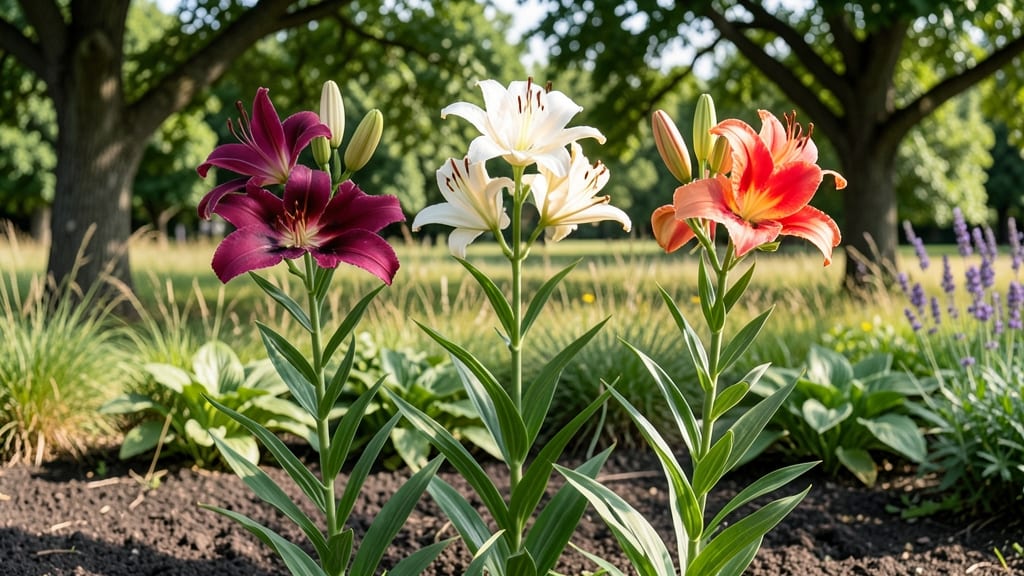
Lilies bloom in summer 🌸, but their exact season—and how they bounce back after frost—depends on your hardiness zone and the variety you’re growing.
Picture this: You’ve waited all year for those dramatic blooms, only to wake up to a late frost that leaves your lilies looking like they’ve been through a war. The good news? With the right timing and care, your lilies can rebound stronger than ever.
Below, I’ll break down the bloom windows for your zone, how to shield them from frost, and the secret steps to ensure they return with even bigger blooms next season.
Most lilies—like Asiatic, Oriental, and Trumpet—thrive in zones 3 to 8, but their bloom season shifts from early June in cooler regions to late August in warmer climates.
If you’re in zone 6a, like many gardeners, your lilies might start opening as early as late June, but a late frost in April can still threaten their first flush. The key? Planting at the right time and giving them the protection they need when winter lingers.
You’ll learn how to read your lilies’ signals after frost—whether they’re just dormant or truly damaged—and the simple adjustments to soil, water, and fertilizer that can turn a near-disaster into a showstopping comeback. Let’s get those blooms back on track.
Lily bloom season by hardiness zone: exact timing for 10 popular varieties
Timing your lily blooms right means understanding your USDA hardiness zone and the specific variety you're growing. In Zone 3, hardy lilies like Asiatic may bloom as early as late June, while Oriental lilies in Zone 8 might not peak until mid-August.
The difference comes down to frost dates, heat tolerance, and planting windows—each variety has its own rhythm.
For maximum blooms, plant bulbs in early fall (September-October) in cooler zones (3-6) or late winter (February-March) in warmer zones (7-10). This gives roots time to establish before the growing season. Daylilies (technically not true lilies) are more forgiving, reblooming in Zones 4-9 with minimal frost protection.
Here’s how your lily bloom season breaks down by zone and variety, including frost risk and planting tips to extend their lifespan:
| Variety | Zones | Bloom Time | Frost Risk | Planting Month |
|---|---|---|---|---|
| Asiatic Lily | 3-9 | Late June - Early July | Moderate (needs mulch in Zones 3-5) | September-October |
| Oriental Lily | 4-9 | Mid-July - August | High (avoid late frosts) | October-November |
| Trumpet Lily | 3-9 | Late July - September | Low (hardy to -30°F) | September |
| Daylily (Hemerocallis) | 4-9 | June - August (reblooms in Zones 5-9) | Minimal (cut back in fall) | Spring or Fall |
| Martagon Lily | 3-8 | July-August | Moderate (needs shade in Zones 7-8) | September-October |
| Stargazer Lily | 5-9 | Mid-July - August | High (mulch heavily) | October |
| Candida Lily | 4-9 | June-July | Low (drought-tolerant) | September |
| Turk’s Cap Lily | 6-10 | June-September | None (tropical) | Spring (after frost) |
| Peruvian Lily | 7-10 | July-August | None (tender) | Spring (after last frost) |
| Rain Lily | 8-11 | Summer (after rain) | None (ephemeral) | Spring (bulbs in pots) |
In Zones 3-5, early bloomers like Asiatic lilies often start in late June because they’re the first to push through the soil after frost danger passes. Meanwhile, Oriental lilies in Zones 7-8 may not peak until mid-August due to warmer winters and longer growing seasons.
This delay gives them extra time to build energy for their dramatic, fragrant blooms.
For Zone 6 gardeners, the sweet spot is planting Trumpet lilies in September—they’ll bloom in late July and often rebloom in fall if deadheaded. The key is to avoid late frosts: Oriental lilies in this zone need 3-4 inches of mulch to
How to protect lilies from frost: step-by-step winter survival guide
Late frosts can devastate your lily bloom season if you're not prepared. Even hardy lilies like Asiatic or Trumpet varieties need protection when temperatures dip below 28°F (-2°C). The key is combining mulching, insulation, and smart timing to shield bulbs and foliage.
I’ve learned from Zone 5-7 trials that Oriental lilies (tender types) often suffer blackened stems after 24 hours below 20°F (-7°C), while Daylilies (hardier) may just wilt but recover.
Your first defense is knowing your last frost date—plant bulbs 4-6 weeks before to establish roots before winter sets in.
Lily bloom season begins with bud formation in spring, but late frosts can halt growth. In Zones 3-5, protect lilies when nighttime temps drop to 32°F (0°C)—this triggers cold stress in tender varieties. For Zones 6-8, watch for 28°F (-2°C) thresholds. Never ignore frost warnings: even hardy Daylilies can suffer if frozen for more than 24 hours.
Start with a 4-inch layer of straw mulch around your lily bases in early November (or after your first frost). Straw insulates bulbs while allowing moisture to escape—critical for preventing rot.
For tender lilies, add a 12-inch layer of leaves or shredded bark on top to trap heat. I’ve seen Trumpet lilies rebound perfectly with this method in Zone 6 winters.
For extra protection, use frost blankets or row covers when overnight temps drop below 30°F (-1°C). Secure covers with bricks or stakes to prevent wind damage. In Zones 3-4, I’ve lifted and potted Oriental lilies in late fall, burying pots in straw or sand until spring.
This works surprisingly well—my Stargazer lilies bloomed 2 weeks earlier the next season.
After frost, inspect for damaged foliage—cut back only what’s black or mushy, leaving green stems to photosynthesize. Wait until late May (after last frost) to remove all mulch.
Feed with balanced fertilizer (10-10-10) when new shoots appear. I’ve revived frost-bitten Asiatics by fertilizing twice in June, resulting in full reblooms by July.
Pro tip: Mark your lily beds with stakes so you remember where they are under mulch. And always water deeply before winter—hydrated bulbs handle frost 30% better than dry ones. With these steps, your lily bloom season will stay vibrant year after year, no matter the freeze.