Blooming
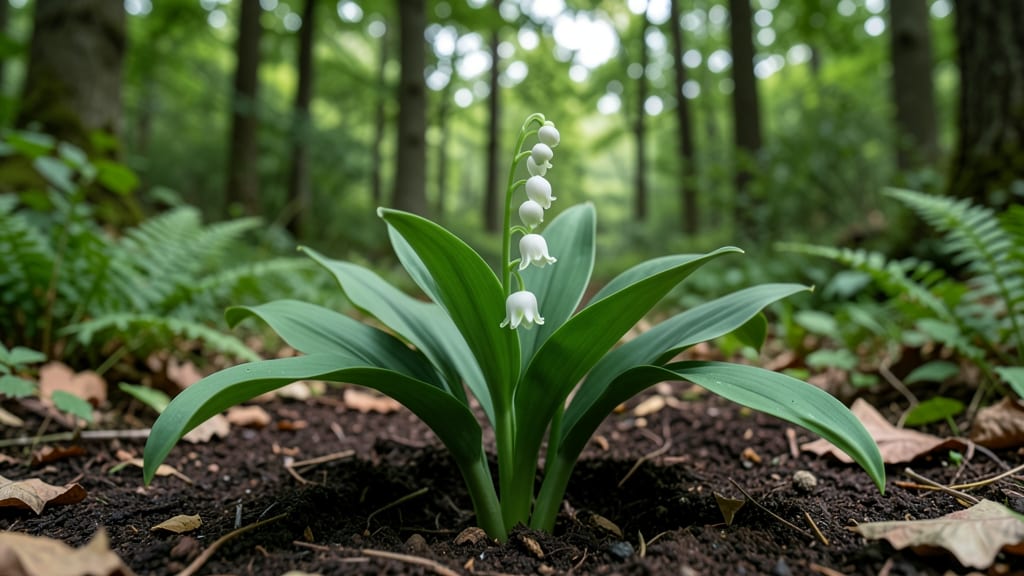
The lily of the valley bloom time arrives in late spring, typically between May and June, when the air still carries a hint of chill from winter.
If you’ve ever wondered why your lily of the valley blooms at different times each year—or why some gardens never see its iconic bell-shaped flowers—understanding its cold-triggered growth cycle is the key to unlocking reliable spring blooms.
This delicate 🌸 plant thrives in USDA Zone 6a and beyond, but its bloom time shifts dramatically depending on winter chill hours. Too little cold, and it skips flowering entirely; too much, and it may bloom late. The secret lies in balancing soil moisture, shade, and a little patience.
In this guide, I’ll break down the exact bloom windows by zone, how to read your plant’s signals, and the simple care tweaks that guarantee fragrant blooms year after year.
How cold temperatures trigger lily of the valley bloom stages
Lily of the valley (Convallaria majalis) is one of nature’s most reliable spring bloomers—but only if it gets the right cold treatment.
This delicate woodland plant relies on a process called vernalization, where exposure to consistent cold temperatures signals its rhizomes to shift from dormancy into active growth. Without adequate chilling, your plants may produce leaves but skip flowering entirely.
Think of it like a biological countdown: after summer’s heat, the plant “counts” chilling hours (temperatures between 32°F and 45°F) to determine when to bloom. In USDA zones 3-8, this typically means 8-12 weeks of cold, but the exact timing varies by location and microclimate.
Understanding this process helps you predict—and even influence—when those iconic bell-shaped flowers will appear.
| Stage | Temperature Requirement | Duration | Key Visual Cues |
|---|---|---|---|
| Dormancy | 32°F–45°F (0°C–7°C) | 8–12 weeks | Dry, brown foliage; no growth |
| Vernalization Trigger | Consistent 32°F–45°F | 6–10 weeks | Rhizomes swell slightly |
| Bud Formation | 40°F–50°F (4°C–10°C) | 2–4 weeks | Green shoots emerge; buds form |
| Bloom Initiation | 50°F–60°F (10°C–15°C) | 3–5 weeks | White bell flowers open |
The first critical phase is dormancy, which occurs when temperatures drop below 50°F (10°C) in fall. During this time, the rhizomes store energy and prepare for the cold.
If your winters are too mild (like in zone 8), the plant may not get enough chilling hours, delaying blooms until late spring or skipping them altogether.
Next comes vernalization, where the plant “counts” cold hours. For lily of the valley, this means 600–900 chilling hours below 45°F (7°C).
In colder zones (3–5), this happens naturally, but in zone 6–8, you might need to extend dormancy with mulch or shade cloth to meet the requirement. Without enough cold, the plant stays in a “waiting” state, producing leaves but no flowers.
Once the chilling requirement is met, the rhizomes signal the plant to initiate bud formation. This happens when daytime temperatures rise to 50°F–60°F (10°C–15°C), typically in late winter or early spring.
You’ll notice green shoots pushing through the soil, followed by flower buds that resemble tiny white teardrops. If this stage is interrupted by a late frost, the buds may blacken, but the plant will often rebound.
Finally, bloom initiation occurs when the plant senses consistent warmth (above 55°F/13°C) for several days. This is when you’ll see the iconic bell-shaped flowers emerge, usually in April–May, depending on your zone.
In zone 3–4, blooms may appear as early as late April, while in zone 7–8, they might not show up until May or June.
One common misconception is that frost directly triggers blooms, but it’s actually the duration of cold exposure that matters. A single frost won’t make up for missing chilling hours.
For example, if your zone 6 garden has a mild winter with frequent thaws, the plant may not accumulate enough cold, leading to delayed or sparse blooms. To compensate, I’ve found that adding 2–3 inches of mulch in fall helps insulate the rhizomes and maintain steady cold temperatures.
If you’re
Zone-by-zone bloom time schedule for lily of the valley
Timing is everything when it comes to lily of the valley (Convallaria majalis) blooms, and your USDA hardiness zone dictates when to expect those signature bell-shaped flowers.
In colder zones like 3-5, blooms often arrive in late April to early May, while warmer zones 6-8 may see flowers as early as March or as late as June.
These variations happen because lily of the valley requires chilling hours—typically 4-8 weeks below 40°F—to trigger flowering.
Microclimates play a huge role too. A north-facing slope in Zone 7 might bloom weeks earlier than a south-facing garden bed just a few yards away. Even mulch depth and soil moisture levels can shift bloom times by 2-3 weeks.
Let’s break down what to expect—and how to fine-tune timing—across the USDA zones 3-8.
To accelerate blooms in warmer zones, try pre-chilling rhizomes for 6-8 weeks at 35-40°F before planting. For delayed blooms, mulch heavily in late summer to keep soil cooler.
In Zone 8, some gardeners even plant in containers and move them to shaded spots during summer heat to preserve energy for spring blooms.
Soil prep matters just as much as timing. Amend your soil with organic matter (like leaf mold) to improve drainage, which helps roots establish faster. A pH of 6.0-7.0 is ideal—test your soil in fall and adjust with lime or sulfur if needed.
Overcrowding also stalls blooms, so divide clumps every 3-4 years in early autumn.
Pro tip: Mark your first bloom dates each year to spot trends. If blooms arrive 2+ weeks later than usual, it may signal insufficient chilling or poor soil health. Adjust next year’s care accordingly—your lily of the valley will thank you with prolonged, fragrant blooms.
🌸