
Blooming
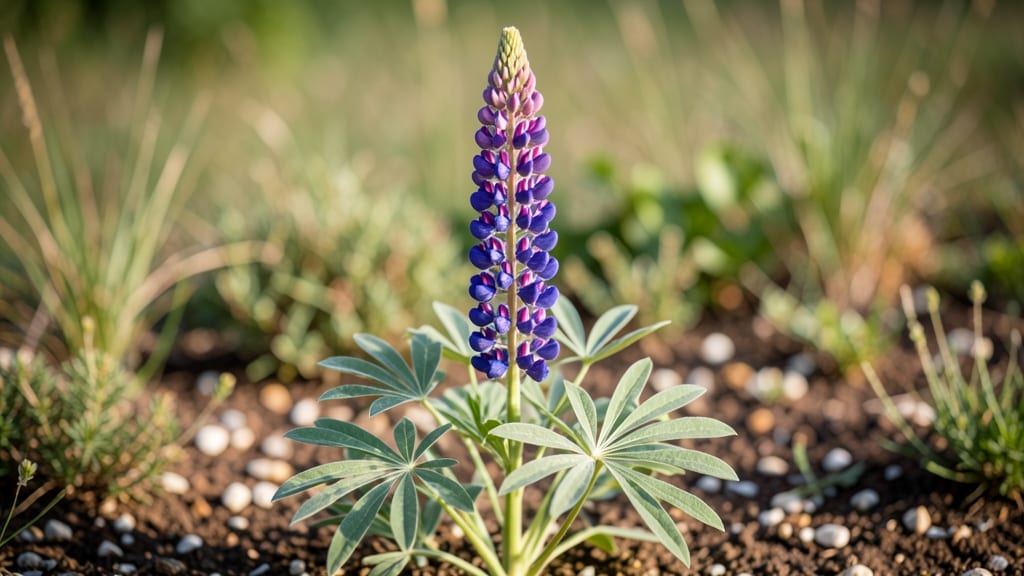
Lupines bloom in late spring, but their exact timing and duration depend on the variety and where you live — and getting it right can mean the difference between a showstopper display and a missed opportunity.
Picture this: you’ve spent weeks waiting for those 🌸 spikes to emerge, only to have them fade before summer even arrives. That’s why understanding lupine bloom time is key — whether you’re growing Lupinus polyphyllus in Zone 6 or Lupinus texensis in the South.
Some varieties, like the Texas bluebonnet, burst into color as early as March, while others, such as the towering Russell hybrid, peak in June.
Climate, soil pH, and even last year’s care can shift bloom windows by weeks — and I’ll show you how to adjust for your garden’s conditions.
From deadheading tricks to soil secrets, here’s how to coax your lupines into their longest, most vibrant show yet — no matter which variety you’re growing.
Lupine bloom time by variety: when & how long each type flowers
If you've ever planted lupines hoping for a dramatic spring display, you know timing is everything. Lupine bloom time can span from early spring to midsummer, but it depends entirely on the variety you choose.
Annual lupines like Lupinus texensis (Texas Bluebonnet) burst into color in late winter to early spring, while perennial types such as Lupinus polyphyllus (Russell Lupine) often bloom mid-to-late spring. Understanding these differences helps you plan your garden for maximum impact.
Most lupines reward gardeners with 3–8 weeks of vibrant blooms, though some varieties—like Lupinus 'Chief Joseph'—may rebloom lightly if given proper care. The key to extending their show lies in soil health, sunlight exposure, and deadheading.
Let’s break down the most popular varieties, their bloom windows, and how to keep them flowering longer.
🌱
| Variety | Bloom Time | Bloom Duration | Reblooms? | Height | Color |
|---|---|---|---|---|---|
| Lupinus texensis (Texas Bluebonnet) | Late winter–early spring | 4–6 weeks | No | 12–24" | Blue, white, pink |
| Lupinus polyphyllus (Russell Lupine) | Mid-to-late spring | 6–8 weeks | Sometimes | 3–5 ft | Purple, white, yellow |
| Lupinus 'Chief Joseph' | Late spring–early summer | 5–6 weeks | Yes (light) | 2–3 ft | Deep purple |
| Lupinus 'My Castle' | Early spring | 3–4 weeks | No | 2–3 ft | Blue |
| Lupinus 'Lavender Dream' | Mid-spring | 4–5 weeks | No | 2–3 ft | Lavender |
| Lupinus 'Silver Cup' | Late spring | 5–6 weeks | Sometimes | 3–4 ft |
How heat zones and climate affect lupine bloom durationYour lupine bloom time can swing wildly depending on where you live—whether you're in USDA Zone 3 with harsh winters or Zone 10 where summer heat lingers. Lupines are tough, but temperature extremes and drought stress play major roles in how long their vibrant blooms last. In cooler zones, early spring bloomers like Lupinus polyphyllus may flower for 6–8 weeks, while hotter climates can shorten bloom cycles to just 3–4 weeks without adjustments. Climate also determines whether your lupines are early bloomers (like Lupinus texensis in Zone 8) or late-season stars (such as Lupinus nootkatensis in Zone 5). Perennial lupines in colder zones often trade winter hardiness for shorter bloom seasons, while annual varieties in warm zones may bloom faster but fade quicker without proper care. Understanding these patterns helps you plan for seasonal displays that keep your garden vibrant longer. In USDA Zones 3–5, lupines often bloom later in the season to avoid late spring frosts, but their longer bloom duration makes them worth the wait. For example, Lupinus polyphyllus in Zone 4 can flower from late May to July, while Lupinus nootkatensis in Zone 5 may bloom from June to August. These varieties thrive with cool nights and moist soil, which help sustain their flowers. Hotter climates in Zones 8–10 pose challenges like drought stress and heat-induced wilting, which can cut bloom time nearly in half. Varieties like Lupinus texensis (Texas bluebonnet) bloom early in Zone 8 (February–March) but may fade by late April without consistent watering and afternoon shade. To combat this, I’ve found that mulching with straw retains moisture and light shade cloth (30–50%) can extend blooms by 2–3 weeks. If you’re in a transition zone (like Zone 6 or 7), your lupines might face temperature swings that stress plants. For instance, a sudden heatwave after cool spring nights can cause buds to drop. To mitigate this, I recommend watering deeply during dry spells and avoiding heavy fertilization, which encourages leafy growth over flowers. Instead, focus on balanced soil fertility (pH 6.0–7.0) to support robust blooms. For gardeners in Zone 10, where summers are long and intense, annual lupines like Lupinus mutabilis (Andean lupine) are better suited than perennials. These varieties bloom earlier in the season (January–March) and finish before peak summer heat. If you’re determined to grow perennials, prioritize morning sun exposure and drip irrigation to keep roots cool and blooms lasting. No matter your USDA zone, the key to maximizing lupine bloom time is understanding your local climate’s quirks. Whether you’re battling early frosts, scorching summers, or unpredictable rains, small adjustments like mulching, shade strategies, and proper watering can turn a short-lived display into a season-long spectacle. 🌸 |