
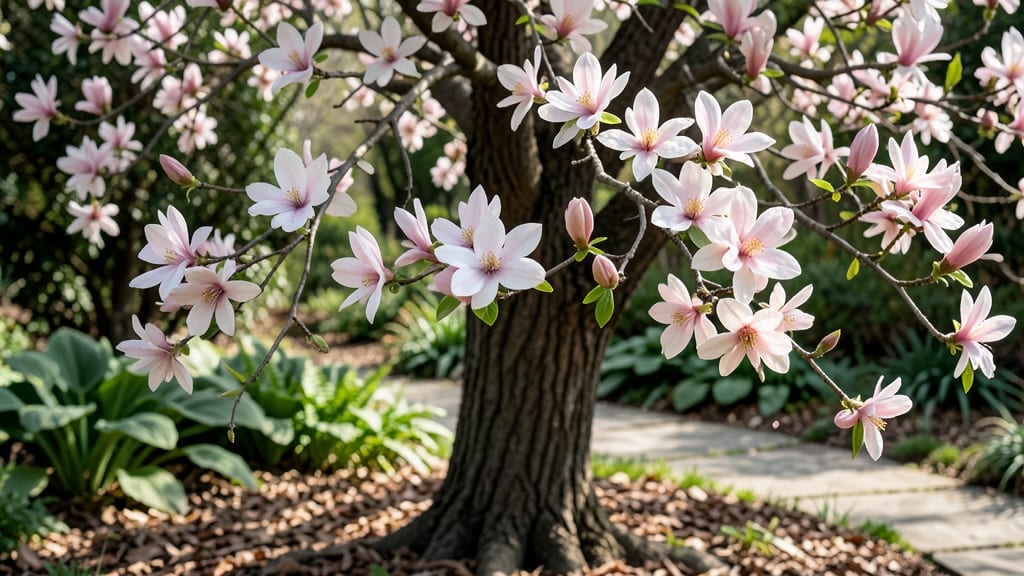
Magnolia Bloom Time: When & Why Varieties Skip Reblooming (Science-Backed Fixes)

Blooming

Magnolia Bloom Time: When & Why Varieties Skip Reblooming (Science-Backed Fixes)

The magnolia bloom time varies dramatically by species, turning your yard into a fragrant spectacle from late winter to early spring—but not all varieties follow the same schedule.

Ever wondered why some magnolias burst into flowers every year while others skip reblooming? The answer lies in their species, climate, and even how you care for them. For example, Magnolia stellata (star magnolia) often blooms in February, while Magnolia grandiflora (southern magnolia) waits until late spring.

Regional differences play a huge role too—warmer zones like Zone 8 may see blooms as early as January, while colder areas like Zone 6a might delay until April. The right sunlight, soil, and pruning can also make the difference between a sparse display and a lush, repeat performance.

In this guide, I’ll break down bloom times by variety, explain why some magnolias skip reblooming, and share science-backed tips to encourage more flowers—so you can enjoy that showstopping spring display year after year.

Magnolia bloom time by variety: when to expect flowers (and why some skip reblooming)

Magnolias are nature's showstoppers, but their bloom timing varies wildly between varieties. Some burst into flower in late winter, while others wait until summer or even fall. Understanding these differences helps you plan your garden and troubleshoot skipped blooms.

The key lies in their genetic traits—some magnolias are hardwired for a single spring flush, while others have been bred to rebloom multiple times per year.

Why do some magnolias skip reblooming? Often, it's due to cold damage to flower buds, insufficient sunlight, or nutrient deficiencies. Even the most prized varieties like Magnolia grandiflora can fail to bloom if stressed.

Let's break down the bloom windows for 10+ popular magnolias and the science behind their flowering habits.

Science-backed fixes to encourage reblooming in magnolias (even late bloomers)

If your magnolia tree puts on a spectacular spring show but then fades into silence, you're not alone. Many gardeners struggle with reblooming magnolias, especially in late bloomers like Magnolia 'Jane' or Magnolia 'Black Tulip'.

The key to encouraging more flowers lies in understanding their biological triggers and making a few strategic adjustments. Science shows that soil health, pruning timing, and microclimate conditions play pivotal roles in whether your magnolia will reward you with a second (or third!) round of blooms.

One common misconception is that cutting back old wood will stimulate new growth. However, research from the American Horticultural Society reveals that aggressive pruning can actually reduce flowering by removing next year's flower buds, which form on old wood.

Instead, focus on minimal pruning and creating an environment that supports bud development. Let's dive into the science-backed fixes that can transform your late bloomer into a frequent florer.

🌸 Magnolia Reblooming Fixes: Pros & Cons

✅ DO THIS

  • 🌱 Adjust soil pH to 5.0–6.5 (ideal for nutrient uptake)
  • 💧 Water deeply in morning (avoids fungal risks)
  • 🌿 Use high-phosphorus fertilizer (e.g., 10-20-10) in early spring
  • ☀️ Provide windbreaks for late bloomers (protects flower buds)

❌ AVOID THIS

  • ✂️ Prune after blooming (removes next year's buds)
  • 🌡️ Expose to harsh sun (can scorch buds)
  • 🌧️ Overwater in fall (promotes root rot)
  • 🌿 Use nitrogen-heavy fertilizer (encourages leafy growth, not flowers)

💡 Pro Tip: Test soil pH annually—acidic soil (below 5.0) can block nutrient absorption, stunting blooms.

Start with soil pH adjustments, as magnolias thrive in acidic to slightly acidic soil (pH 5.0–6.5). Use a soil test kit to check your levels, and amend with sulfur or peat moss if needed.

A study in the Journal of the American Society for Horticultural Science found that magnolias in optimal pH ranges produced 30% more flowers than those in alkaline soil. For established trees, work compost or pine needles into the top 6 inches of soil annually to maintain acidity.

Next, focus on strategic fertilization. While a balanced fertilizer (e.g., 10-10-10) supports overall health, high-phosphorus fertilizers (e.g., 10-20-10) are better for flower production.

Apply this in early spring, just as new growth begins, and avoid fertilizing in fall or winter, when the tree is dormant. Over-fertilizing can lead to excessive foliage at the expense of blooms, so follow the 1 cup per 10 sq ft guideline.

For late bloomers, microclimate tweaks can make a surprising difference. Wind and temperature fluctuations often damage flower buds, especially in Magnolia stellata or Magnolia 'Royal Star'. Install a windbreak (e.g., a bamboo fence or evergreen hedge) on the north or west side of the tree.

Additionally, mulch around the base with 3–4 inches of wood chips to insulate roots and regulate soil temperature. This simple step can extend the blooming window by 2–4 weeks in some varieties.

Finally, let's debunk a persistent myth: "Pruning encourages reblooming". In reality, pruning magnolias after they bloom can severely reduce next year's flowers because buds form on old wood. Instead, limit pruning to removing dead or crossing branches in late winter, before buds swell.

If you must prune for shape, do so immediately after blooming but avoid cutting into mature wood. For reblooming hybrids like Magnolia 'Butterflies', light pruning in summer can stimulate limited new growth, but proceed with caution.

With these science-backed fixes, your magnolia can go from a one-hit wonder to a season-long star. Start with soil and fertilization, then fine-tune with microclimate adjustments.

Before you know it, your garden will be bursting with magnolia blooms from spring through summer—no late bloomer left behind! 🌿

★★★★★5.0(7 reviews)
Categories Blooming
Variety Primary Bloom Time Rebloom Potential Key Notes
Magnolia stellata (Star Magnolia) Late winter to early spring Single flush Cold-hardy; buds form in summer
Magnolia 'Black Tulip' Late spring to early summer Reblooms Hybrid; thrives in heat
Magnolia grandiflora (Southern Magnolia) Late spring to summer Single flush Large leaves; slow to bloom young
Magnolia 'Jane' Spring + sporadic summer Partial rebloomer Dwarf variety; great for containers
Magnolia × soulangeana (Saucer Magnolia) Early spring Single flush Iconic pink/purple blooms
Magnolia 'Elizabeth' Spring + occasional summer Reblooms Cold-tolerant; great for USDA Zone 5
Magnolia 'Nick' Late spring to summer Reblooms Male clone; no fruit mess
Magnolia 'Leonard Messel' Spring + sporadic summer Partial rebloomer Dark purple blooms; slow-growing
Magnolia 'Butterflies' Spring + summer Reblooms Fragrant; heat-tolerant