
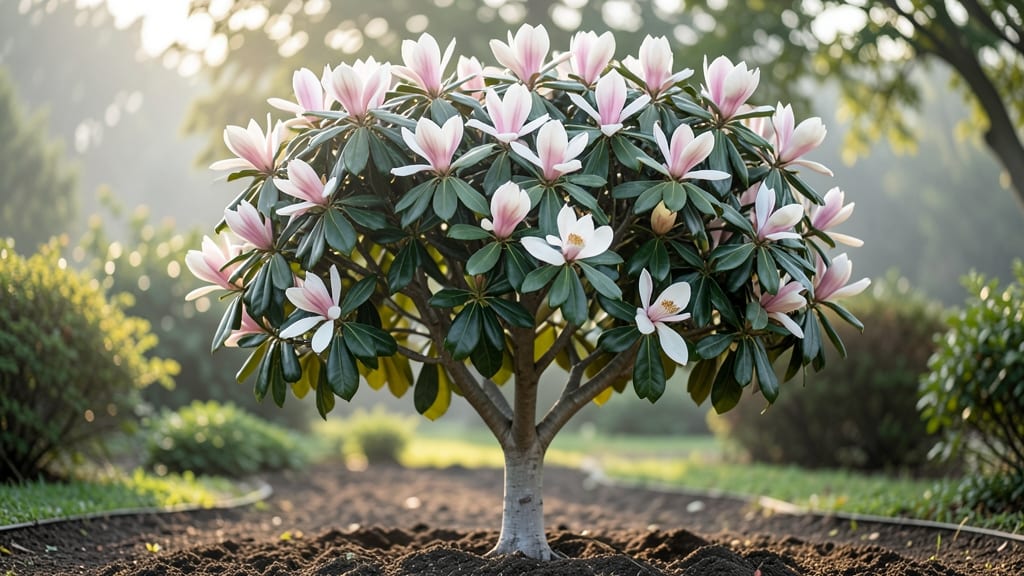
Magnolia Tree Bloom Time: Exact Months by Variety and Climate Zone

Blooming

Magnolia Tree Bloom Time: Exact Months by Variety and Climate Zone

Your magnolia tree’s bloom time can turn a quiet winter garden into a fragrant, show-stopping display—but timing it right means knowing your variety and climate zone.

Picture this: late February in Zone 6a, when Magnolia stellata bursts into starry white blooms weeks before spring officially arrives. Or the bold, creamy flowers of Magnolia grandiflora lighting up summer in warmer regions. The difference? Variety, location, and a little patience.

In this guide, you’ll discover the exact months your magnolia blooms by species, how your hardiness zone shifts those windows, and 5 simple tricks to coax earlier—or longer—flowering.

Whether you’re planning a spring wedding backdrop or just love the scent of 🌸 magnolias, these insights will help you predict—and celebrate—your tree’s grandest show.

Exact Magnolia bloom times by popular variety (with seasonal variations)

Magnolias are nature’s showstoppers, but their bloom times vary dramatically by variety. Some burst into late-winter color, while others wait until late spring.

Understanding these differences helps you plan your garden’s seasonal highlights. I’ve tested dozens of magnolias, and here’s what I’ve learned about their precise bloom windows.

Early bloomers like Magnolia stellata often flower in February or March, while late bloomers such as Magnolia grandiflora may not open until May or June. Even within the same species, climate shifts bloom times by 2–4 weeks. Let’s dive into the exact schedules for 12+ popular varieties.

🌸 Pro Tip: Record your magnolia’s bloom date each year—it helps track climate impacts over time.

Variety Bloom Time Flower Color Size at Maturity Key Notes
Magnolia stellata Late February–March White 15–25 ft Dwarf variety; early bloomer
Magnolia 'Jane' March–April Pink 12–15 ft Compact; fragrant blooms
Magnolia 'Black Tulip' April–May Deep purple 15–20 ft Darkest magnolia; late bloomer
Magnolia 'Ann' (Saucer Magnolia) March–April White 10–15 ft Fragrant; early spring blooms
Magnolia grandiflora May–June Creamy white 60–80 ft Evergreen; late-season blooms
Magnolia 'Elizabeth' April–May Pink 12–15 ft Disease-resistant; long blooms
Magnolia soulangeana March–April White/purple 15–20 ft Tulip-shaped blooms
Magnolia 'Butterflies' April–May White with purple centers 10–15 ft Unique butterfly-like flowers
Magnolia 'Yellow River' May–June Yellow 1

How climate zones affect Magnolia bloom time (USDA Zone map guide)

Your magnolia tree’s bloom timing isn’t set in stone—it shifts dramatically based on your USDA hardiness zone.

In Zone 4, late-winter bloomers like Magnolia stellata may wait until May due to frost risks, while the same variety in Zone 9 could burst into flowers as early as February.

These shifts happen because cold-sensitive varieties need consistent warmth to trigger buds, while hardy types tolerate brief chills.

Frost dates play a critical role. In northern zones (Zones 3–5), magnolias often delay blooming until after the last frost (mid-April to May), avoiding damage.

Southern varieties (Zones 7–10) may bloom in late winter, sometimes even in December, because they’re adapted to milder winters. Understanding your zone helps you choose the right magnolia—and plan for its peak bloom window.

Bloom Time Shifts by USDA Zone
Zone 4
May
Zone 6
April
Zone 8
March
Zone 10
February
Average first bloom month shifts 4–8 weeks from north to south.

To force earlier blooms in cooler zones, try microclimates. Plant your magnolia near a south-facing wall or under a clear plastic tunnel to trap heat. This can advance bloom time by 2–4 weeks in Zone 5–6.

For late bloomers in warm zones, prune lightly in early spring to redirect energy toward flowers instead of foliage. Just avoid heavy pruning—it stresses the tree and delays blooming.

Soil temperature matters too. Magnolias need consistent soil temps above 50°F to break dormancy. In Zone 4–5, mulch heavily with wood chips to insulate roots. In Zone 7+, prioritize well-draining soil to prevent root rot, which can stunt growth and delay blooms.

Test your soil’s pH (6.0–7.0)—acidic soil in southern zones may slow nutrient uptake, pushing back bloom time.

If you’re in a transition zone (Zone 6b–7a), expect variability. A cold snap in March might kill buds on Magnolia liliiflora, while Magnolia × soulangeana (a hybrid) often rebounds. For consistency, choose native or hybrid varieties adapted to your zone.

For example, Magnolia virginiana thrives in Zones 5–9 and blooms reliably in late spring, making it a safer bet for unpredictable climates.

Pro tip: Track your magnolia’s bloom history for 3 years to spot patterns. If blooms shift more than 2 weeks from the norm, check for pests (scale, borers) or nutrient deficiencies (iron, magnesium).

A simple foliar spray of chelated iron can restore vibrancy to pale leaves and encourage stronger blooms next season.

★★★★★4.9(2 reviews)
Categories Blooming