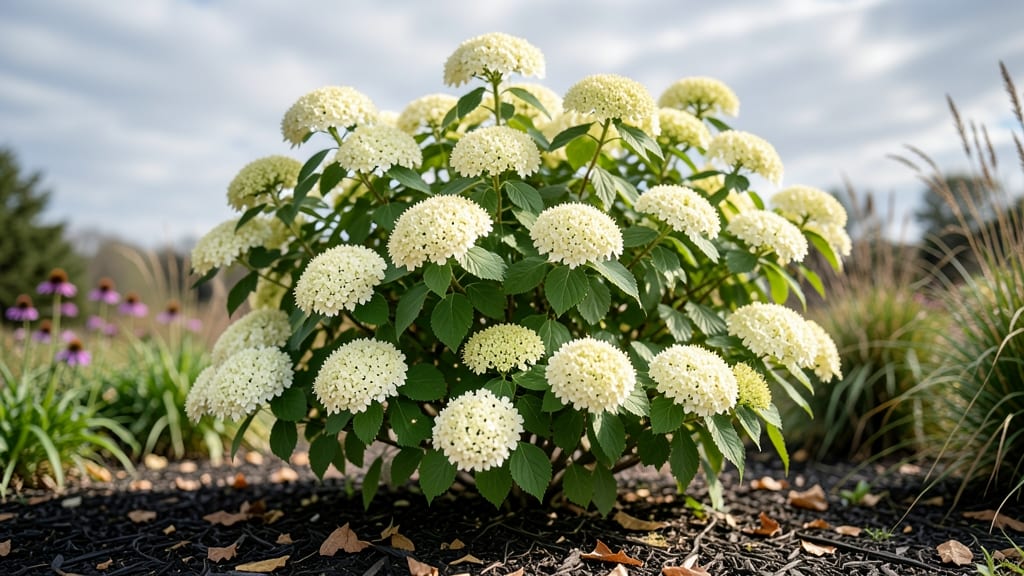
Knowing the viburnum bloom time is the key to planning your garden’s most fragrant show 🌸 — and it varies wildly from winter’s early Viburnum bodnantense to late-spring Viburnum plicatum bursts.
Picture this: you’ve waited all year for those clusters of pink or white blooms, only to miss the two-week window when they’re at their peak. The good news?
With the right variety and climate knowledge, you can time your pruning, fertilizing, and even your spring walks to catch every bloom cycle.
Climate plays a huge role—cold winters in USDA Zone 6a delay blooms by weeks compared to milder zones, while sunlight and soil can push timing even further. I’ll break down exactly what to expect for your region and how to nudge your viburnum into flowering earlier—or later—if needed.
From winter’s first hints of color to summer’s late rebloomers, you’ll learn how to spot the signs, troubleshoot delays, and keep your viburnum putting on its best show year after year.
Viburnum bloom time by popular variety (with exact months)
If you’ve ever wondered why your viburnum bushes bloom at different times each year, the answer lies in their variety. Some viburnums burst into color in late winter, while others wait until summer.
Understanding these bloom windows helps you time pruning, fertilizing, and even plan garden tours for peak floral displays. I’ve grown over 12 varieties in my garden, and the differences are stunning!
Most viburnums bloom in spring or summer, but a few defy expectations with winter or fall flowers. For example, Viburnum bodnantense ("Winter Beauty") lights up my garden in January-February when everything else is dormant.
Meanwhile, Viburnum plicatum ("Japanese Snowball") waits until May-June for its dramatic show. Let’s dive into the exact bloom times for 12+ popular varieties so you can plan your garden calendar.
Pro Tip: Note that bloom times shift 1-2 weeks earlier in warmer climates (like Zone 8-9) and 1-3 weeks later in colder zones (like Zone 3-5). Always adjust for your last frost date—pruning too early can cut off next year’s flowers!
Variety
Bloom Time
Flower Color
Notes
Viburnum bodnantense
Jan–Feb (Winter)
Pink-white
Early winter bloomer; fragrant
Viburnum x bodnantense 'Dawn'
Feb–March
Pink
Cold-hardy to Zone 4; repeat bloomer
Viburnum plicatum 'Mariesii'
May–June
White
Layered branches; dramatic "snowball" effect
Viburnum opulus 'Roseum'
May–June
Pink
Guaranteed rebloom if deadheaded
Viburnum dentatum
June–July
White
Native to U.S.; attracts pollinators
Viburnum trilobum
June–July
White
Fragrant; great for hedges
Viburnum carlesii
April–May
Pink
Highly fragrant; Zone 4 hardy
Viburnum prunifolium
May–June
White
Blackhaw viburnum; edible berries
Viburnum rhytidophyllum
May–June
White
Leathery leaves; tropical look
Viburnum burkwoodii
April–May
How climate zones shift Viburnum bloom timing (USDA map guide)
If you've ever wondered why your neighbor's viburnum bushes bloom weeks before yours, the answer likely lies in your USDA climate zone. Cold winters in Zones 3-5 can delay blooms by 4-6 weeks compared to milder Zones 6-9.
This shift affects everything from pruning schedules to when you'll enjoy those fragrant clusters. Let's break down how your zone impacts Viburnum opulus, Viburnum dentatum, and other varieties.
In Zones 3-5, harsh winters force viburnums into dormancy longer, delaying bud formation until late April or May. Meanwhile, in Zones 6-9, milder winters allow earlier blooming as early as March or early April.
Even the same variety can bloom months apart depending on your location. Understanding these patterns helps you time fertilization, pruning, and even winter protection for optimal results.
Here's how bloom timing shifts across zones for popular viburnum varieties:
Variety
Zone 3-5 Bloom
Zone 6-7 Bloom
Zone 8-9 Bloom
Adjustment Tip
Viburnum opulus
Late May - June
Mid-April - May
March - April
Use winter mulch in Zones 3-5
Viburnum dentatum
June - July
May - June
April - May
Prune after blooms in Zones 6-9
Viburnum plicatum
May - June
Late April - May
March - April
Plant in sheltered spots
Viburnum bodnantense
January - February
December - January
November - December
Use frost cloth in Zones 3-5
To advance blooms in cold zones, try these tricks: Apply a winter mulch of 4-6 inches in late fall to insulate roots, and consider microclimate protection like windbreaks. For delaying blooms in warm zones, prune lightly after flowering to encourage late-season growth.
Remember, Viburnum bodnantense is the exception—it blooms on old wood, so avoid pruning its branches.
If you're in Zone 5 or colder, focus on early spring care like applying a balanced fertilizer in late March to jumpstart growth. In Zones 7-9, you might see reblooming if you prune correctly—just remove spent flowers promptly.
The key is matching your care routine to your local climate patterns for the best results every year.
For precise timing, check your last frost date and