
Blooming
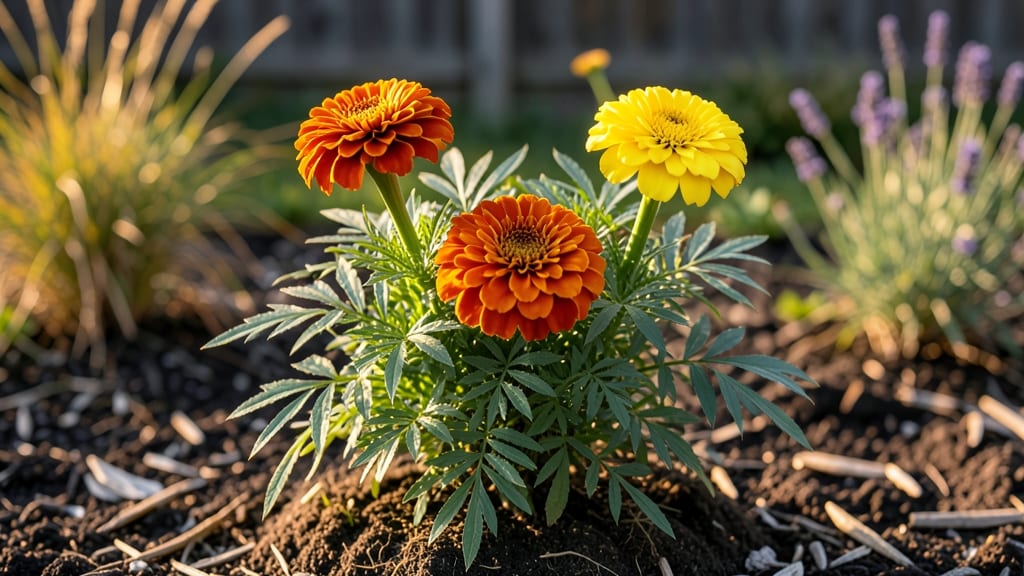
The marigold bloom time transforms your garden into a golden-orange paradise from early summer through fall, with flowers appearing between 60 and 75 days after planting.
Want to know exactly when your marigolds will burst into vibrant blooms? Timing depends on your variety and local climate—but these exact bloom windows will help you plan your garden like a pro.
French marigolds, the speediest of the bunch, often flower in 55-60 days, while African varieties may take up to 75 days to reach their peak. In USDA Zone 6a, where I garden, that means blooms arrive by early July if planted in April.
Below, I break down the fastest-flowering varieties, how to adjust for cooler climates, and the simple tricks to keep those 🌼 blooms coming all season long.
Marigold bloom time by variety: fastest to slowest flowering types
If you're eager to see those cheerful marigold blooms brighten your garden, timing is everything. Not all varieties bloom at the same pace—some burst into color in as little as 45 days, while others take nearly 90 days to reach their first flower.
The secret lies in choosing the right marigold type for your planting schedule and climate. Let's break down the fastest to slowest blooming varieties so you can plan your garden with precision.
Marigolds are divided into three main types: French marigolds, African marigolds, and Mexican marigolds. Each has distinct bloom times, influenced by their growth habits and genetic traits.
For example, dwarf varieties often flower faster than their taller counterparts because they focus energy on blooms rather than vertical growth. Understanding these differences helps you select marigolds that align with your garden's timeline and aesthetic goals.
Here’s the key insight: French marigolds typically bloom the fastest, making them ideal for early summer displays or container gardens. African marigolds, with their large, showy blooms, take longer but reward patience with dramatic color.
Meanwhile, Mexican marigolds (like the signet types) offer a middle-ground bloom time and are perfect for borders or cut flower arrangements. Let’s dive into the exact bloom windows for each type.
For gardeners in USDA Zone 7 or warmer, starting French marigolds like 'Bonanza' in early spring (around March 15) can yield blooms as early as May 1, perfect for Mother’s Day or Memorial Day celebrations.
In cooler zones (like Zone 5), wait until after your last frost date—usually mid-May—and choose faster varieties like 'Janie' (a signet marigold) to ensure blooms by early July.
If you're growing marigolds for cut flowers, African types like 'Goldfinger' may seem slow, but their large, long-lasting blooms make the wait worthwhile. For container gardens, dwarf French marigolds like 'Petite Gold' are unbeatable—they bloom in just 55 days and thrive in pots.
Pro tip: Deadhead spent blooms to encourage continuous flowering, especially in slower varieties like African marigolds.
Light exposure plays a critical role in bloom timing. African marigolds, which need full sun (6+ hours daily), may take longer to bloom if planted in partial shade
How climate zones affect marigold bloom time (and how to speed it up)
Your USDA hardiness zone plays a bigger role in marigold bloom timing than most gardeners realize. In Zone 10, where winters are mild, marigolds can bloom year-round with proper care, while gardeners in Zone 5 often wait until late summer for their first flowers.
These climate differences aren't just about timing—they dictate whether your marigolds will even survive long enough to bloom. Understanding your zone helps you adjust planting schedules and care routines to coax those bright orange and yellow blooms earlier than expected.
Cold-starting challenges in northern zones (3-7) often delay blooms by 3-4 weeks compared to warmer climates. The key difference lies in soil temperature—marigolds need consistently warm soil (at least 60°F) to germinate and thrive.
In cooler zones, gardeners must use black plastic mulch or cold frames to accelerate warming. Meanwhile, heat tolerance in southern zones (8-11) means marigolds can handle summer's intensity, often blooming continuously from spring through fall with minimal stress.
- 1 Zone 3-5: Blooms appear 8-10 weeks after planting (late July-August) due to cool springs. Use row covers to warm soil faster.
- 2 Zone 6-8: Standard 6-8 week bloom time (June-July). Prune spent blooms weekly to extend season until frost.
- 3 Zone 9-11: Blooms in 4-6 weeks (spring-fall). Heat stress after 90°F+ may cause bud drop—provide afternoon shade.
- 4 Speed Tip: Soil thermometer at 2" depth—aim for 70°F+ for fastest germination. Black plastic mulch adds 10-15°F to soil.
To speed up marigold blooms, focus on three critical factors: light exposure, soil warmth, and pruning techniques. Place your plants in the sunniest spot possible—marigolds need 6-8+ hours of direct sunlight daily to trigger flowering.
If your garden lacks full sun, consider container gardening near a south-facing wall or using reflective mulch to maximize light. Soil temperature is equally crucial: use a soil thermometer to monitor warmth, and add compost or black plastic mulch to raise temperatures quickly in cooler zones.
Pruning plays a surprising role in accelerating blooms. Pinch back the top set of leaves when seedlings reach 4-6 inches tall to encourage bushier growth and more flower stems. Then, deadhead spent blooms weekly—this redirects the plant's energy from seed production back to producing more flowers.
In hot climates, prune aggressively after heatwaves to reduce stress and encourage new growth. This technique can extend your marigold's bloom season by 4-6 weeks in ideal conditions.
For gardeners in transition zones (6-8), where spring temperatures fluctuate wildly, use row covers for the first 3-4 weeks after planting. These lightweight fabrics create a mini greenhouse effect, warming the soil and protecting young plants from late frosts.
Remove covers once nighttime temperatures consistently stay above 50°F to prevent overheating. In southern zones, focus on shade cloth during peak summer heat—marigolds can handle heat but may bolt prematurely if stressed.
One often-overlooked trick is fertigation—applying a low-nitrogen fertilizer (like 5-10-10) through your irrigation system. This method ensures consistent nutrient delivery without overwatering, which can delay blooms. Start fertilizing when plants have 4-6 true leaves, and apply every 4-6 weeks during the growing season.
Pair this with organic mulch (like straw) to retain moisture and regulate soil temperature, creating optimal conditions for rapid bloom development.
Remember, marigolds are drought-tolerant once established, but they won't bloom well under stress. The key is finding the sweet spot between adequate moisture and avoiding soggy soil.
In arid climates, water deeply 2-3 times per week during dry spells, while in humid zones, reduce frequency to every 5-7 days to prevent fungal issues. With these zone-specific adjustments, you'll transform your marigolds from slow starters to early-season showstoppers.