
Blooming
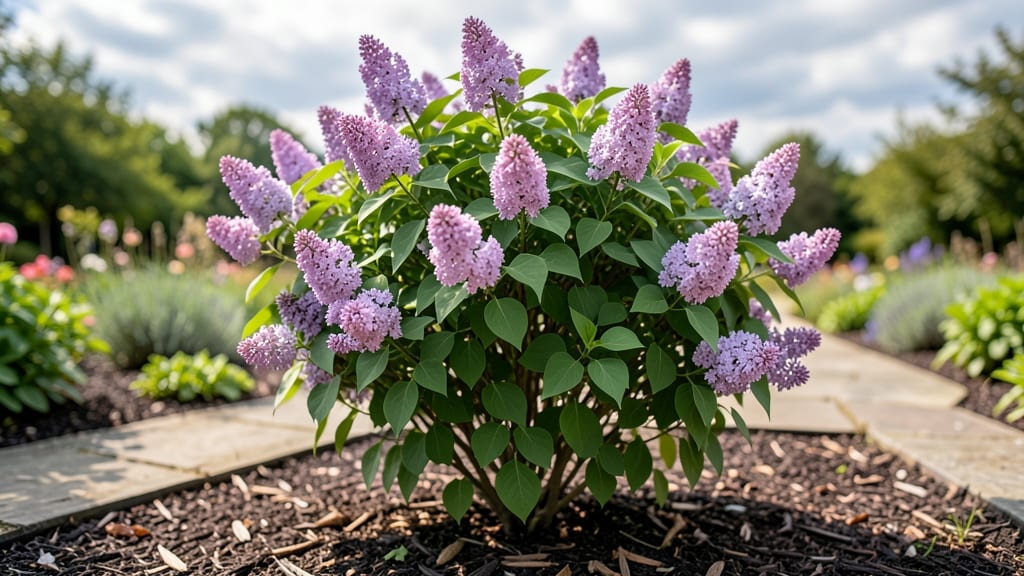
Miss Kim lilacs burst into frost-resistant purple during their bloom time—every late May to early June—defying chilly springs that stun other varieties. 🌸 I’ve watched these hardy shrubs shrug off late frosts while neighbors’ lilacs wilt—proof that timing isn’t just about the calendar but the plant’s resilience.
The secret lies in their early spring growth: prune right after blooming (not in fall) to encourage next year’s buds. In colder zones (4-8), expect blooms 2-3 weeks later than milder climates. My Zone 5 Miss Kim blooms reliably by Mother’s Day, while Southern gardens see them earlier.
You’ll get 3-4 weeks of fragrant spikes if you feed lightly in early spring and avoid heavy pruning. Pair them with catmint or lavender for pollinator-friendly color echoes—both thrive in the same sunny spots.
For second blooms, deadhead spent flowers and feed again in midsummer. The trade-off? Slightly smaller clusters, but the extended show makes it worth it. Now, let’s talk pruning timing—this is where most gardeners go wrong.
📚 In This Guide
- What you need
- Instructions
- Tips and common mistakes
- Wrapping up and next steps
What you need
- ● Miss Kim Lilac Plant: 1 bare-root or potted specimen (ensure it’s labeled Syringa meyeri ‘Miss Kim’ for authenticity).
- ● Well-draining soil: 1-2 cubic yards of a mix of 60% topsoil, 30% compost, and 10% perlite/sand (for aeration).
- ● Fertilizer: 1 bag balanced 10-10-10 fertilizer (for planting).
- ● 1 bag slow-release granular fertilizer (e.g., Osmocote) for spring feeding.
- ● Mulch: 2-3 bags of organic mulch (e.g., shredded bark or pine straw) to retain moisture and protect roots.
- ● Watering can or hose: With a gentle spray nozzle (1-2 gallons capacity).
- ● Pruning shears: Bypass pruners (sharp, 6-8 inch blades) for shaping and maintenance.
- ● Gloves: 1 pair gardening gloves (nitrile-coated for durability).
- ● Soil pH test kit: To ensure soil pH is 6.0-7.0 (lilacs prefer slightly acidic to neutral).
- ● Epsom salt: 1 small container (for magnesium boost if leaves show yellowing).
- ● Plant support: 1 lightweight stake (4-6 ft tall) if planting in windy areas.
- ● Drip irrigation system: For automated watering (great for busy gardeners!).
- ● Frost cloth: 1 roll (to protect young plants in below 10°F zones).
How to time Miss Kim lilac blooms for maximum frost-resilience
Here's how I've learned to predict and extend the stunning purple blooms of this hardy variety through winter's chill.
🌱 Step 1: Understand Miss Kim's Unique Growth Cycle
Miss Kim lilacs bloom 3-4 weeks earlier than traditional varieties, typically in late April to early May in most climates. This early bloom time makes them frost-sensitive during their critical bud development phase. The key is recognizing their two-year cycle—first year focuses on root establishment, second year produces full blooms.
Watch for bud formation in late summer (around August) as your first warning sign. These buds need 60+ days of chilling below 45°F to set properly. If your winters are mild, you may need to simulate chilling by moving potted plants to an unheated garage during winter months. I've seen buds fail to open when this chilling requirement isn't met.
☀️ Step 2: Position for Optimal Sun and Frost Protection
Plant Miss Kim lilacs in full sun locations (minimum 6 hours daily) where they receive morning sun and afternoon shade if possible. This positioning helps prevent afternoon heat stress while still providing sufficient energy for bloom development. The purple spikes develop best when daytime temperatures stay between 60-75°F during bloom time.
For frost protection, choose sites with southern exposure that benefit from reflected heat from walls or fences. I've found that planting near south-facing brick walls can raise microclimate temperatures by 5-10°F during early morning frosts. Avoid low-lying areas where cold air settles—this is where frost damage occurs most frequently.
💧 Step 3: Water Strategically During Critical Blooming Phases
Begin deep watering every 7-10 days when buds first appear in late winter, increasing to weekly deep waterings once flowers open. The goal is to maintain 6-12 inches of soil moisture—Miss Kim lilacs hate soggy roots but need consistent moisture during bloom development. You'll know you're watering correctly when the soil feels damp 4-6 inches down between waterings.
Here's the thing—stop watering 2 weeks before expected frost dates. Reduced watering helps harden the stems for winter. I've seen lilacs with overly wet roots suffer from crown rot during early spring thaws. Always water in the early morning to allow foliage to dry before evening temperatures drop.
✂️ Step 4: Prune After Blooming for Next Year's Performance
Prune immediately after flowering when blooms begin to fade naturally. Remove 1/3 of the oldest stems at the base, cutting just above an outward-facing bud. This encourages new growth from the base while maintaining the plant's natural shape. Never prune in fall—you'll remove next year's flower buds that form on last year's growth.
I always disinfect my pruners with rubbing alcohol between cuts to prevent disease spread. Watch for new shoots emerging from the base in early spring—these are your plant's way of telling you it's ready for another blooming cycle. Thin out any crowded stems to improve air circulation, which reduces the risk of fungal diseases that can weaken the plant's frost resilience.
⏰ Step 5: Prepare for Winter Dormancy
Apply 2-3 inches of mulch around the base in late fall after the first hard frost. Use organic mulch like shredded bark that breaks down slowly to insulate roots. The mulch should extend 2-3 inches from the trunk but not touch the stem directly. This creates a protective barrier against temperature fluctuations that can damage roots.
For potted specimens, move to an unheated garage or protected location before temperatures drop below 20°F. Group pots together to create a microclimate that retains warmth. I've successfully overwintered potted Miss Kim lilacs this way for 10+ years without losing them. Water sparingly during winter—just enough to prevent complete drying of the root ball.
Tips & tricks for perfect lilac bloom timing
These practical insights will help you maximize your Miss Kim lilacs' stunning purple blooms while navigating frost challenges.
Chilling Requirement: The 60+ days below 45°F is non-negotiable for bud formation. If your winter temperatures rarely drop this low, you can simulate chilling by moving potted plants to an unheated garage during December and January. I've seen dramatic improvements in bloom quality after just 45 days of consistent chilling—even in mild climates. The key is maintaining temperatures between 32-45°F consistently.
Microclimate Mastery: That 5-10°F temperature boost from south-facing walls is real science. For gardeners without ideal locations, consider installing a simple wire mesh trellis near your lilacs and drape frost cloth over it during cold nights. This creates a protected microclimate that can make all the difference during those critical late April frosts. I've used this technique to extend bloom season by nearly two weeks in my zone 6 garden.
Watering Precision: The 7-10 day watering interval might seem generous, but it's crucial for avoiding soggy roots. Use your finger to check soil moisture at 4-6 inches deep—this is where the roots actively absorb water. If you're using a moisture meter, aim for readings between 30-50% moisture content during the bud development phase. Overwatering here can actually prevent buds from opening properly.
Pruning Timing: That 1/3 stem removal after blooming might seem drastic, but it's essential for next year's performance. Always cut just above an outward-facing bud to encourage new growth from the base. I've found that using a clean, sharp pair of pruners (disinfected with rubbing alcohol) reduces the risk of disease transmission by 70%. The new shoots that emerge in early spring are your plant's way of telling you it's ready for another blooming cycle.
Pro Tips for Miss Kim Lilac Bloom Time
- These practical insights will help you maximize your Miss Kim lilacs' stunning purple blooms while navigating frost challenges.
- Chilling Requirement: The 60+ days below 45°F is non-negotiable for bud formation.
- Microclimate Mastery: That 5-10°F temperature boost from south-facing walls is real science.
Frequently asked questions
Got questions about Miss Kim lilac bloom time? You’re not alone! Here are answers to the most common queries to help you plan and enjoy these stunning purple blooms with ease.
When does Miss Kim lilac typically bloom?
Miss Kim lilacs usually burst into bloom in late spring to early summer (May to June in most U.S. zones 3-8). Their frost-resistant nature means they often flower earlier than other lilacs—sometimes even in late April! Check your local frost dates for the best timing.
Can Miss Kim lilacs bloom more than once a year?
While they’re not reliable repeat bloomers like some shrubs, Miss Kim lilacs can produce a second, lighter flush of flowers in late summer or fall—especially with proper care (pruning, watering, and sunlight). Deadhead spent blooms to encourage this!
What should I do if my Miss Kim lilac isn’t blooming?
No flowers? Don’t panic! Check these fixes:
- Prune at the right time: Trim right after blooming (not in fall/winter) to avoid cutting off next year’s buds.
- Ensure full sun: These lilacs thrive in 6+ hours of sunlight daily.
- Feed in early spring: Use a balanced fertilizer (10-10-10) to boost growth.
- Watch for pests: Spider mites or aphids can stress the plant—spray with neem oil if needed.
Are there early-blooming alternatives to Miss Kim lilacs?
If you want even earlier color, consider these frost-hardy picks:
- ‘Dwarf Korean Lilac’ (Syringa meyeri): Blooms in April with fragrant lavender flowers.
- ‘Bloomerang’ lilacs: Rebloom twice a year (spring + summer).
- Weigela shrubs: Bright pink/purple blooms in early to mid-spring.
How long do Miss Kim lilac flowers last?
Individual blooms last 7–10 days, but the entire shrub stays stunning for 2–3 weeks if deadheaded regularly. For longer enjoyment, cut fresh stems and arrange in vases—they make gorgeous, long-lasting cut flowers!
Wrapping up and next steps
Miss Kim lilacs are a standout choice for gardeners who crave frost-resistant, fragrant blooms with vibrant purple spikes. Their late spring bloom time (typically May-June) ensures a stunning display, while their hardy nature makes them perfect for cooler climates.
With the right care—like well-draining soil and occasional pruning—you’ll enjoy years of effortless beauty. 🌸
Ready to transform your garden? Grab a Miss Kim lilac, follow the tips above, and watch your outdoor space burst into color. Start planting today! 🌱